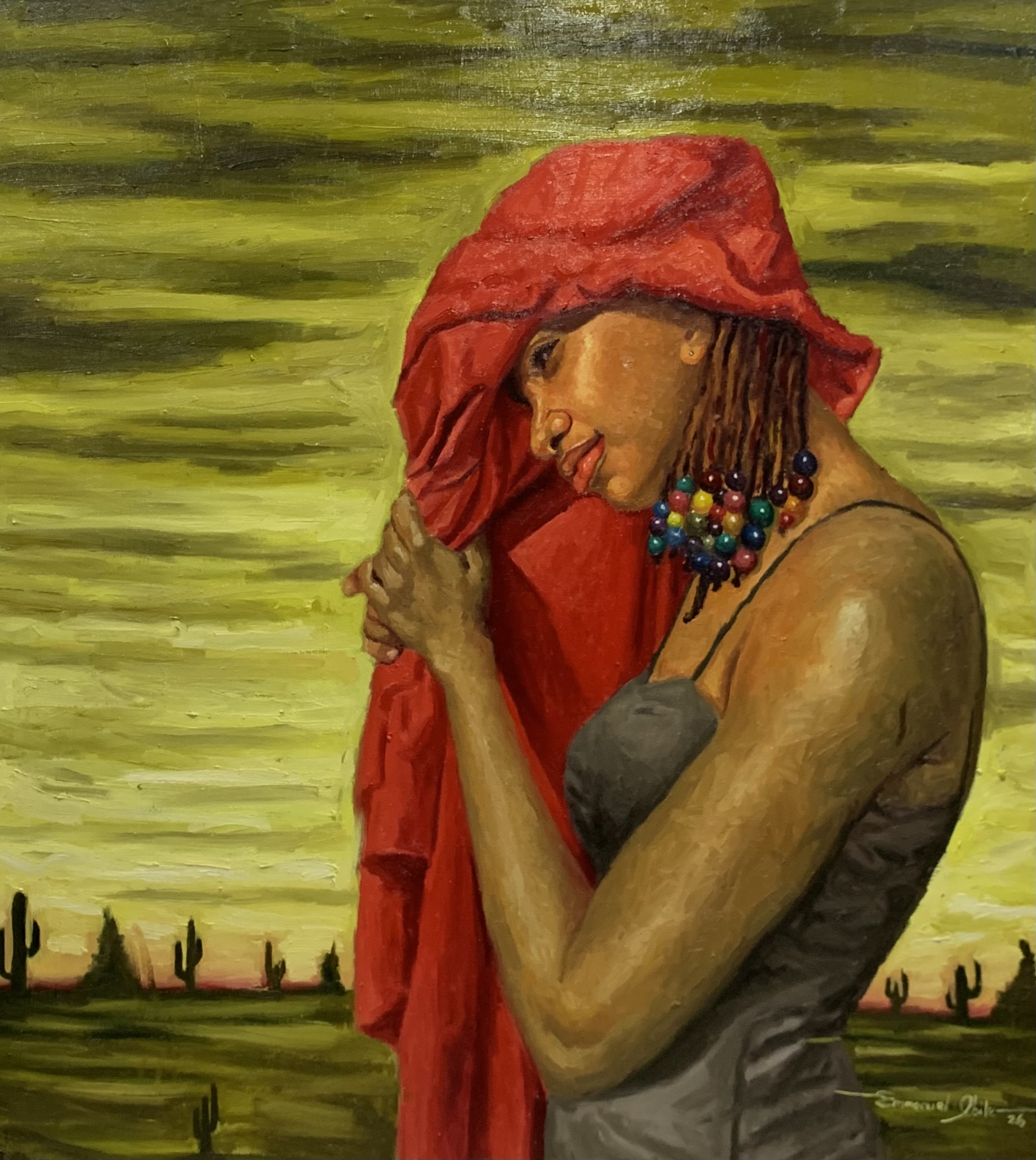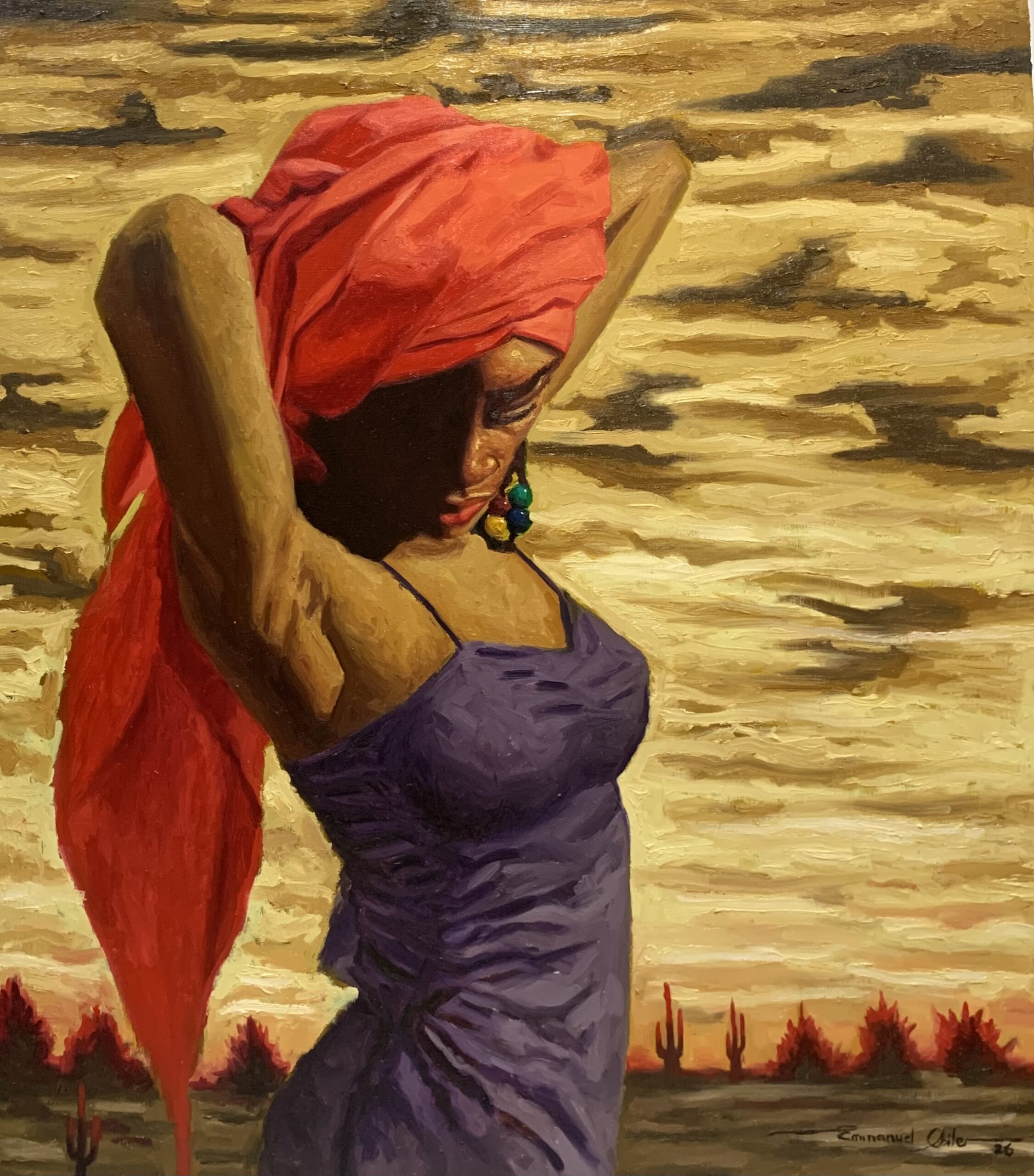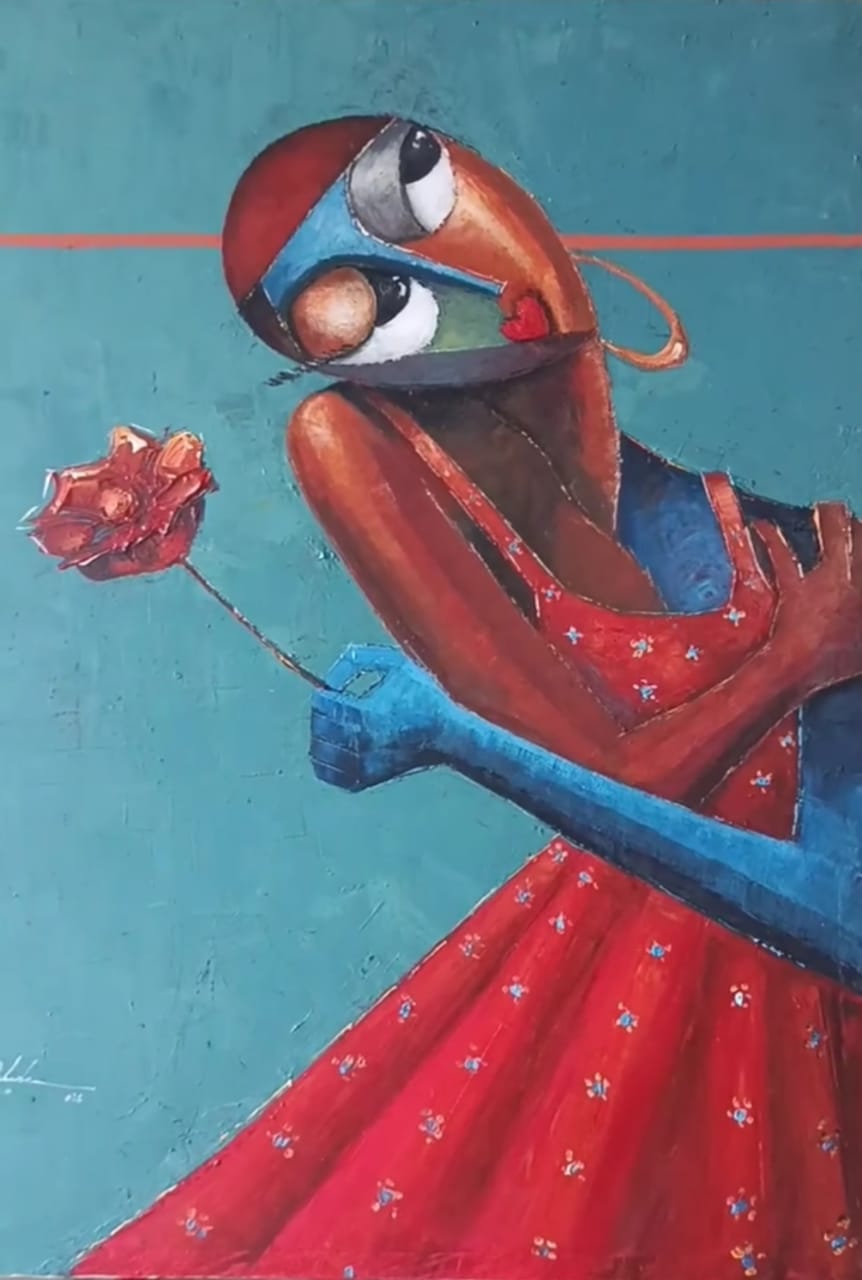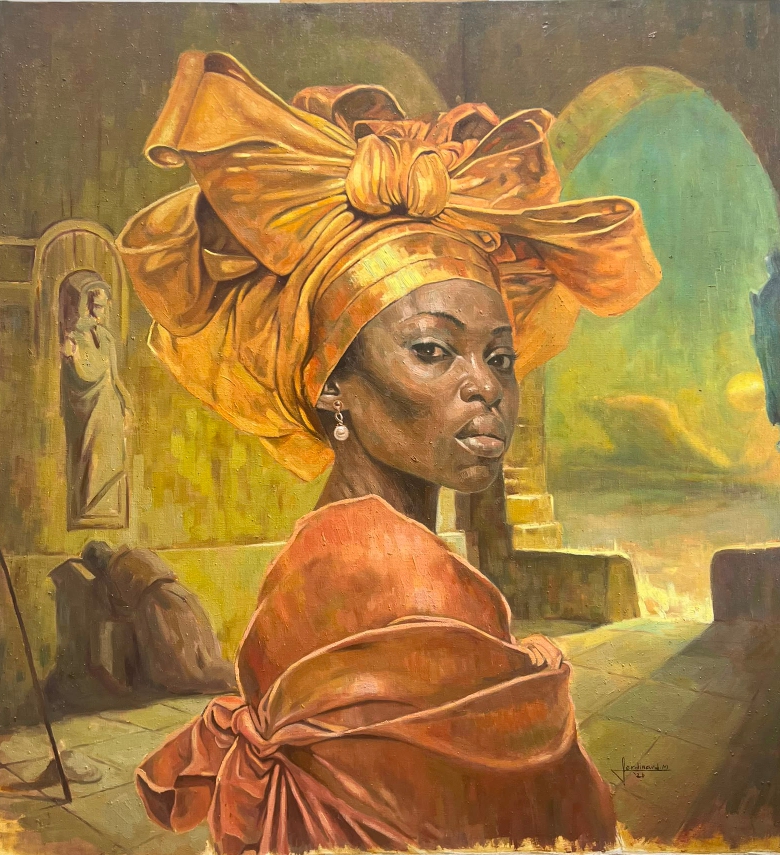
Lagos Biennial 2026 – The Museum of Things Unseen
by Glory Onyekwusi Apr 20, 2026
Since its establishment in 2017, the Lagos Biennial has developed into one of the most critically engaged contemporary art platforms on the African continent. Across four editions, hosted at historically and politically significant sites including the Nigerian Railway Corporation (2017), Independence House (2019), and Tafawa Balewa Square (2021 and 2024), the Biennial has featured over 200 artists from across the globe, building a body of work that reflects both local realities and transnational artistic dialogues.
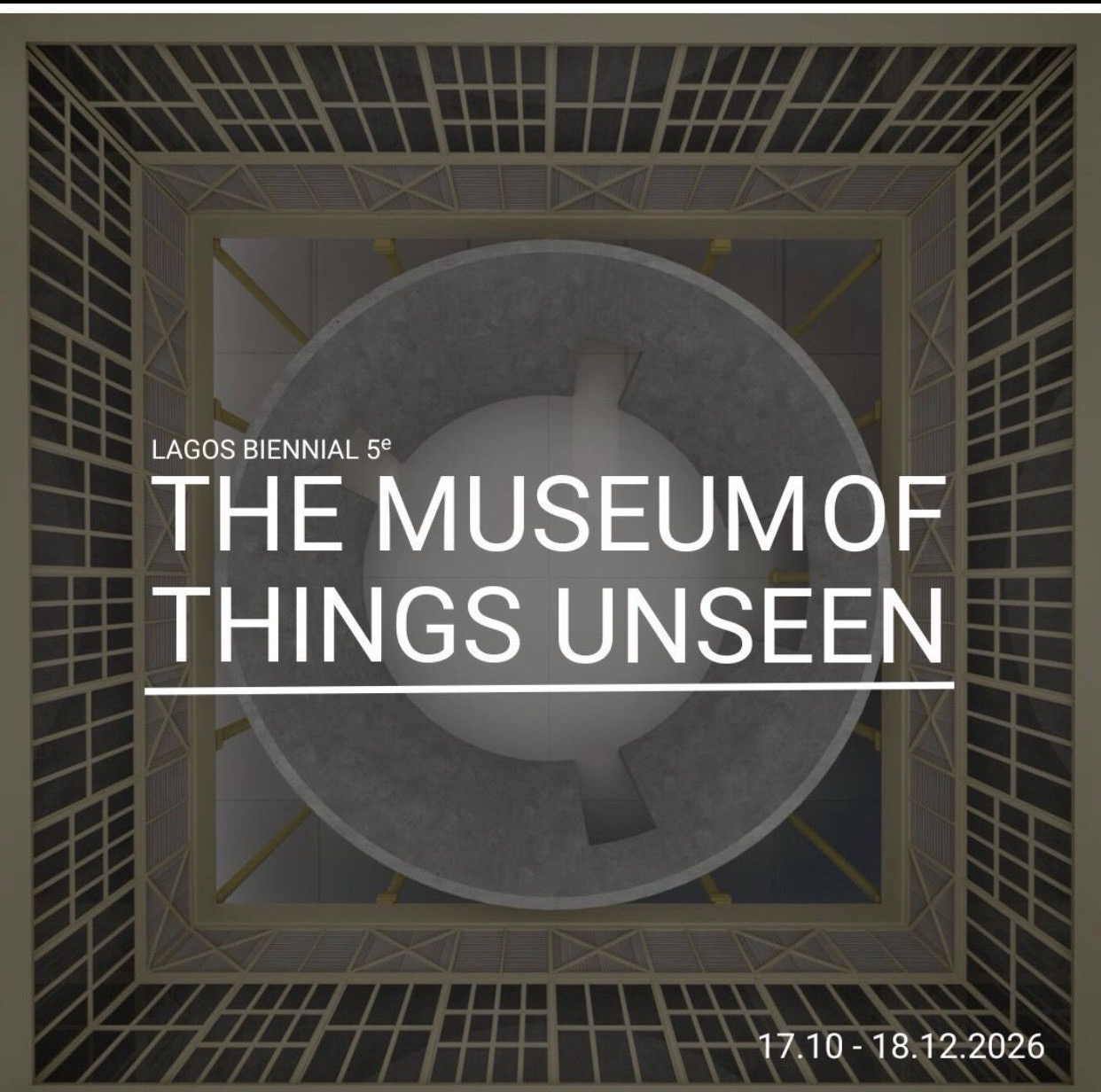
The 2026 edition, titled The Museum of Things Unseen, marks a significant conceptual evolution. Rather than presenting a conventional exhibition, this iteration adopts the structure of a speculative museum, one that interrogates the very foundations of visibility, authorship, and value within global art systems.
At its core, the Biennial asks a critical question: what determines which artworks are seen, circulated, and canonised, and which remain excluded? In response, the Museum of Things Unseen proposes a curatorial framework centred on works that have been historically marginalised, underrepresented, or entirely absent from dominant institutional narratives.
The exhibition foregrounds the structural conditions that contribute to this “unseenness,” including entrenched cultural bias within the global art canon, disparities in financial and institutional power, political influence, curatorial gatekeeping, and the practical constraints of conservation and archiving. By doing so, it shifts attention from the object itself to the systems that regulate its visibility.
A defining feature of this edition is its emphasis on reinterpretation. Contemporary artists will be invited to engage directly with these overlooked works, producing responses that challenge their marginalisation and re-situate them within new intellectual and cultural contexts. This process not only reactivates dormant narratives but also exposes the layered histories and evolving identities embedded within them.
As Lagos continues to assert its position as a global cultural capital, the 2026 Biennial reinforces its role not merely as a site of artistic production but as a space for critical discourse. This edition signals a shift from representation to interrogation, offering a timely and necessary examination of the forces that define visibility in contemporary art.
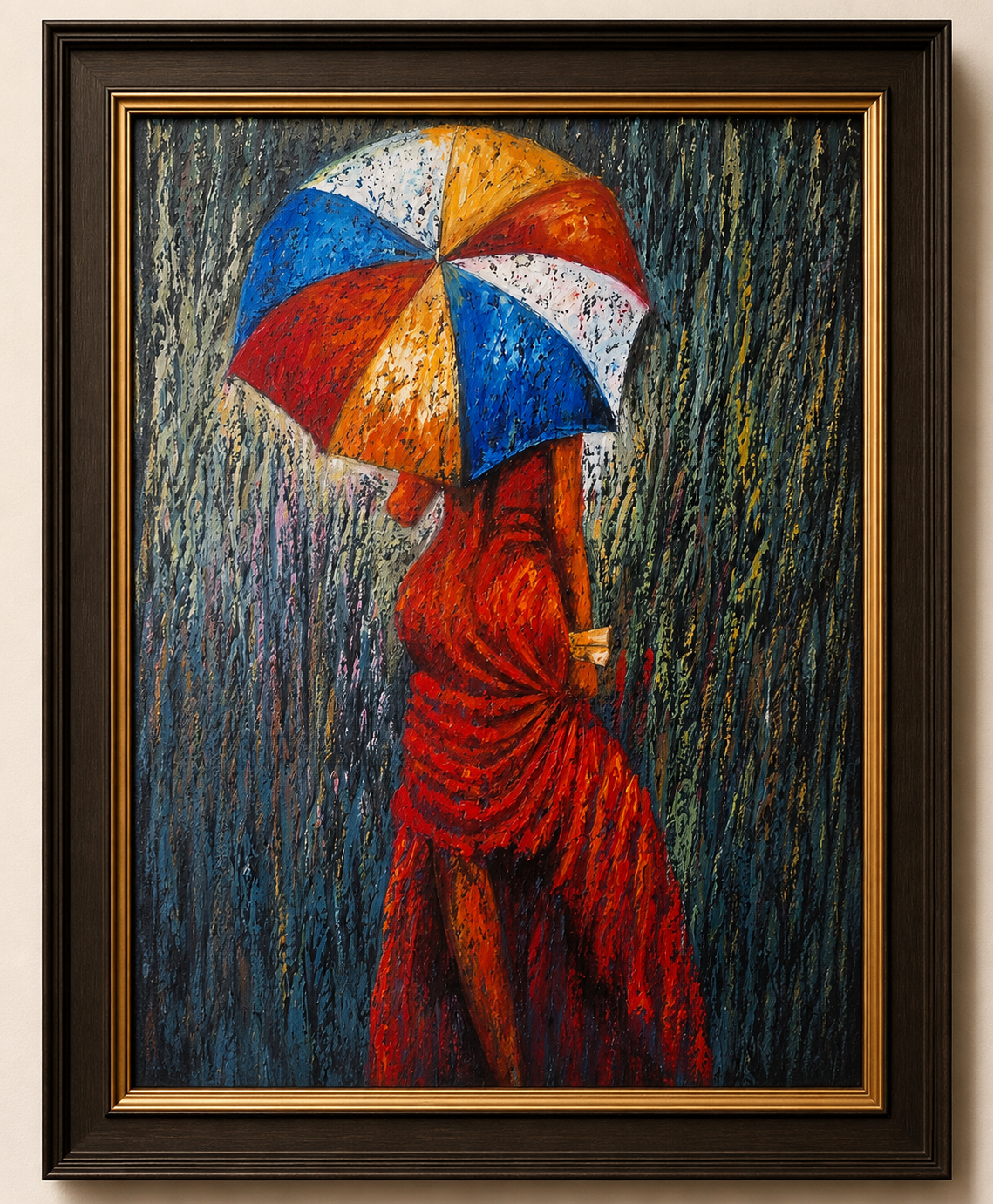
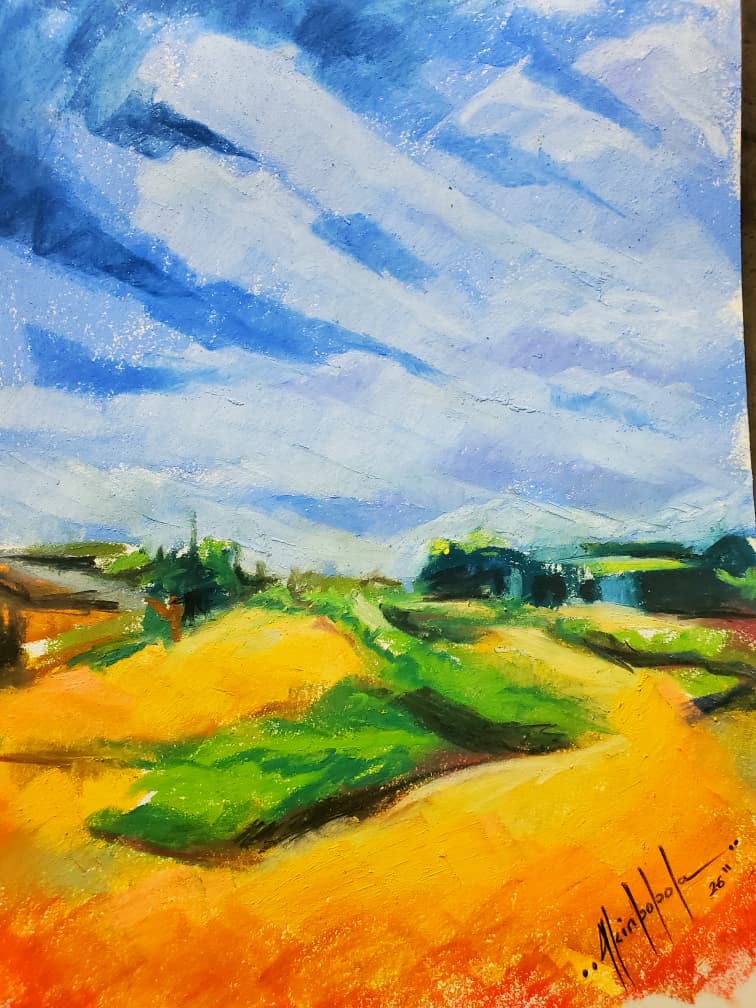
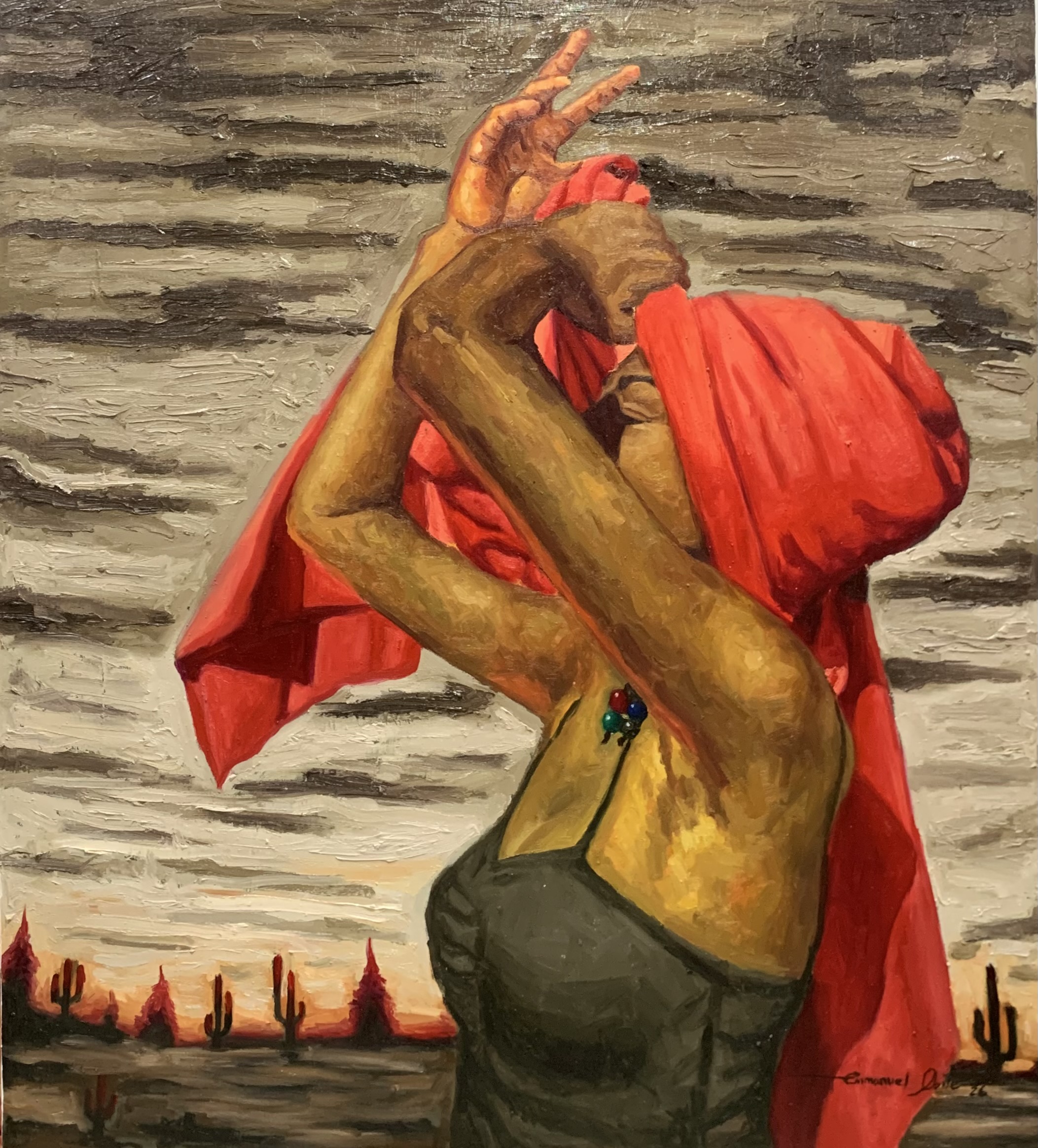
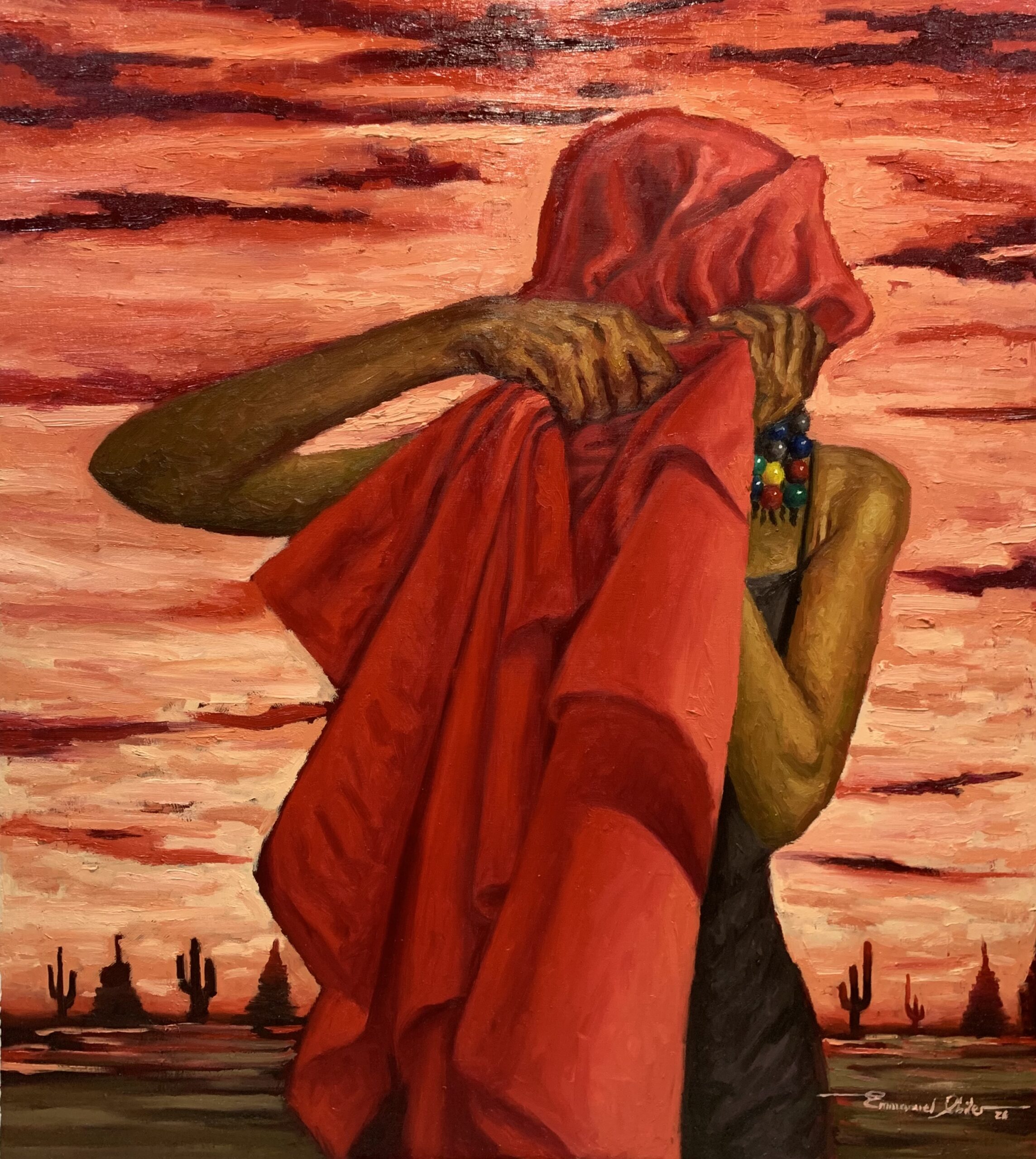
Image source – lagos biennial via Instagram