The Price of Passage: Daudi Yves on Migration, Memory and Belonging
by Glory Onyekwusi Jul 17, 2026
In an era marked by unprecedented levels of global displacement, migration has become one of the defining crises of the 21st century. Yet beyond political debates and statistical reports lies a deeply human experience — shaped by identity, resilience, uncertainty, and the long, unfinished search for belonging.
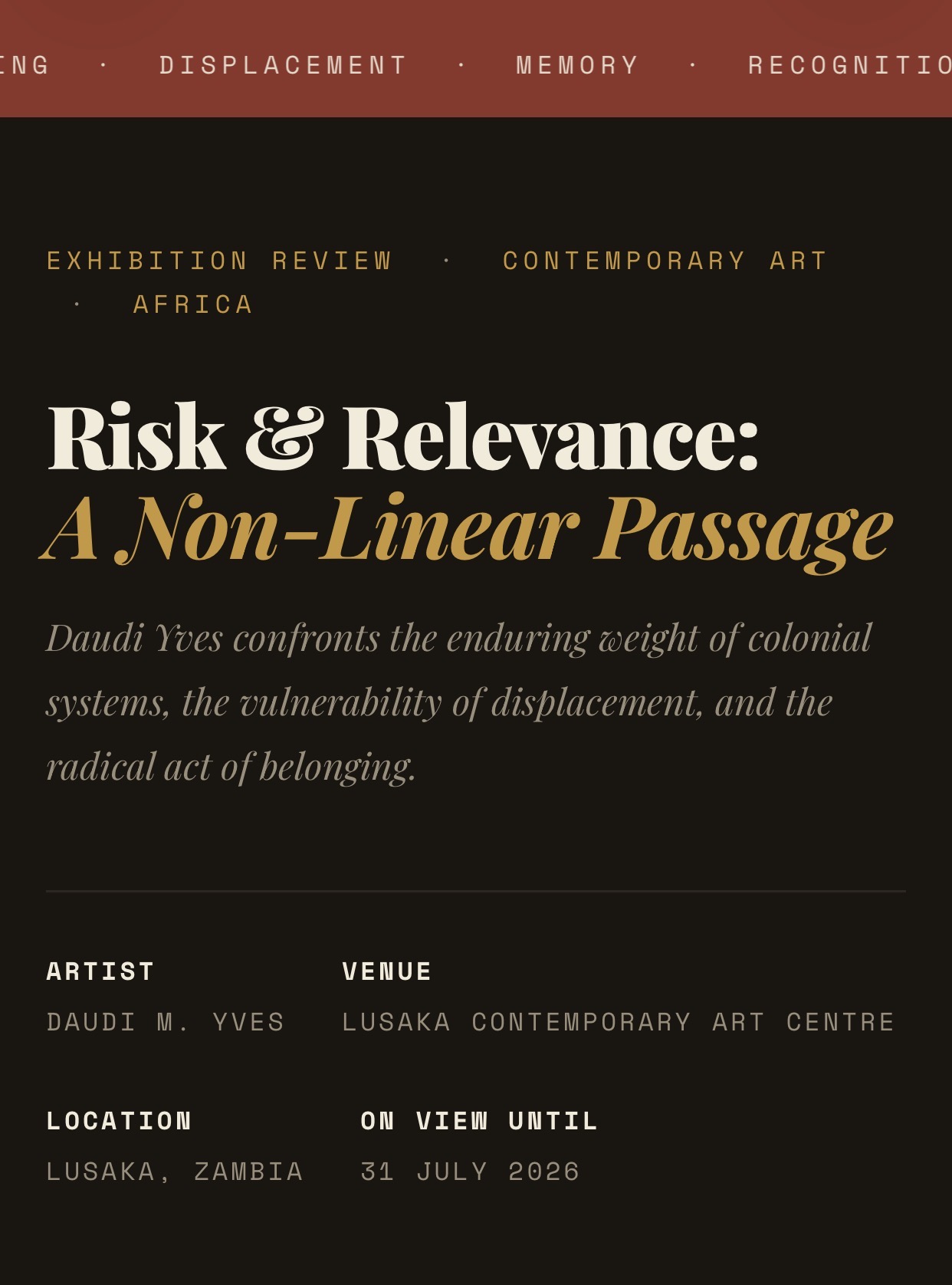
It is within this charged context that Zambian multidisciplinary artist Daudi Yves steps forward with his most ambitious solo exhibition to date. On view at The Lusaka Contemporary Art Centre until 31 July 2026, Risk and Relevance: A Non-Linear Passage is not simply a show about migration. It is a meditation on what it costs to move — and what it means to arrive somewhere and still not be seen.
The exhibition arrives at a moment when conversations around immigration reform, national identity, and the legacies of colonialism are louder and more urgent than ever across the African continent and the world. Yves meets that moment with unflinching clarity and extraordinary artistic range.
THE ARTIST
Who Is Daudi Yves? A Practice Rooted in Lived Experience
DAUDI M. YVES — ZAMBIAN MULTIDISCIPLINARY ARTIST
Congo Roots, Zambian Ground
Daudi M. Yves is a contemporary artist with roots in the Democratic Republic of Congo, now based in Lusaka, Zambia. He began his artistic journey at the age of fourteen, and his practice has since grown into a expansive, cross-disciplinary body of work spanning painting, installation, charcoal, and found materials.
His work consistently draws from personal experience and collective memory to address identity, displacement, and social transformation — not as abstract concepts, but as living, breathing conditions that shape real lives.
Yves is no stranger to international recognition. His exhibition World in Motion, curated by Luyando Muleya, was shown at Alliance Française de Lusaka and The Art Shop in 2023. In 2024, he was an artist-in-residence at Modzi Arts, where he presented Steps of Hope, curated by Sana Ginwalla — a project that continued his exploration of hope and resilience in contexts of uncertainty. He has also participated in the Waste No Wasteenvironmental campaign at the Embassy of Italy, and has exhibited internationally in Zimbabwe, the UK, and India.
He is also the founder of ChangeClub9, an eco-conscious clothing brand, and the Future Child Foundation, which empowers children through education and creativity — testaments to an artist whose vision extends well beyond the gallery walls.
In earlier conversations about his practice, Yves has described painting as emerging from moments of intense emotional complexity — times when mixed feelings converge and demand an outlet. It is this raw emotional intelligence, combined with a sharp political consciousness, that gives Risk and Relevance its uncommon depth.
THE EXHIBITION
What Is Risk and Relevance About? Migration, Colonial Legacy, and the Right to Be Seen
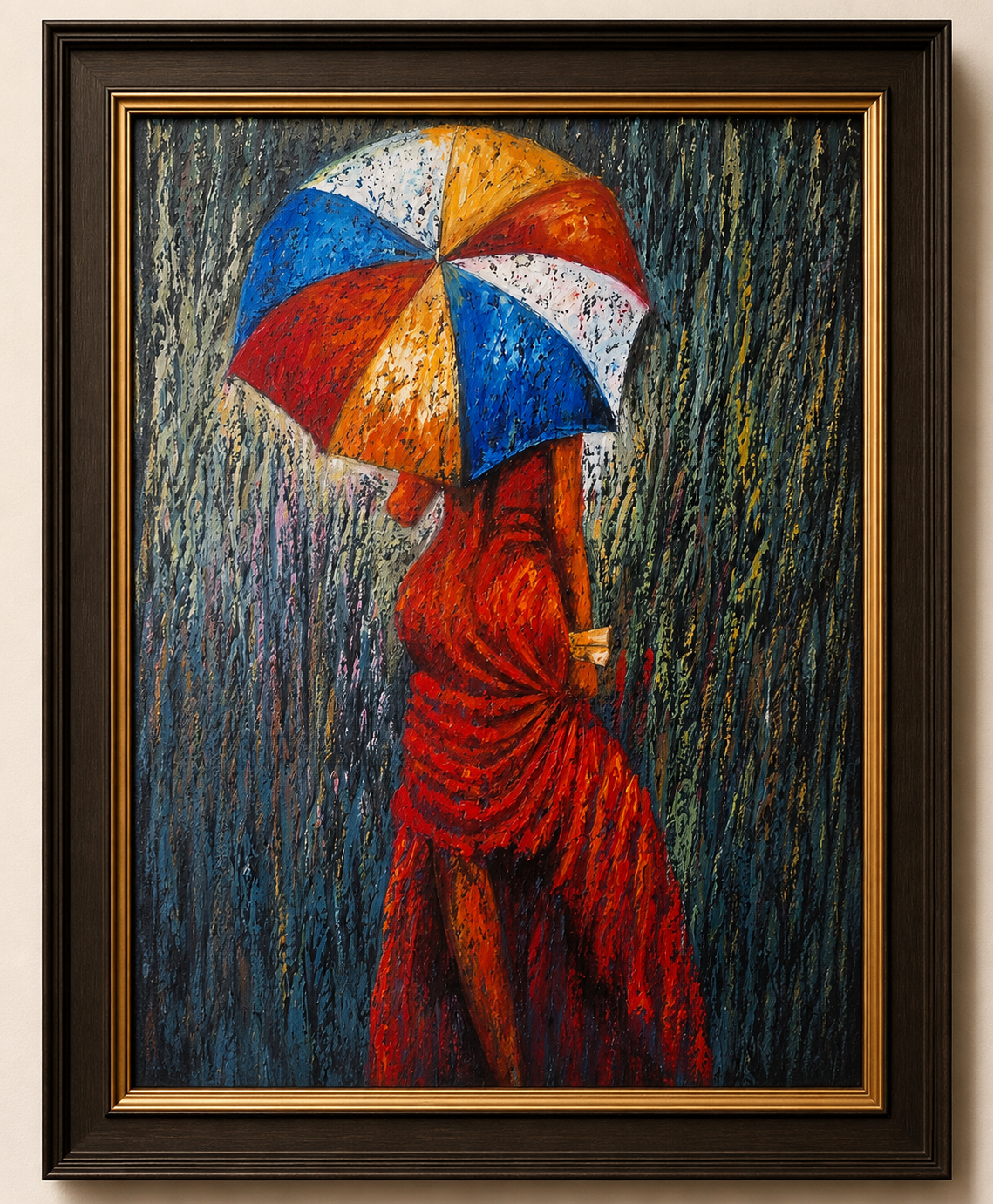
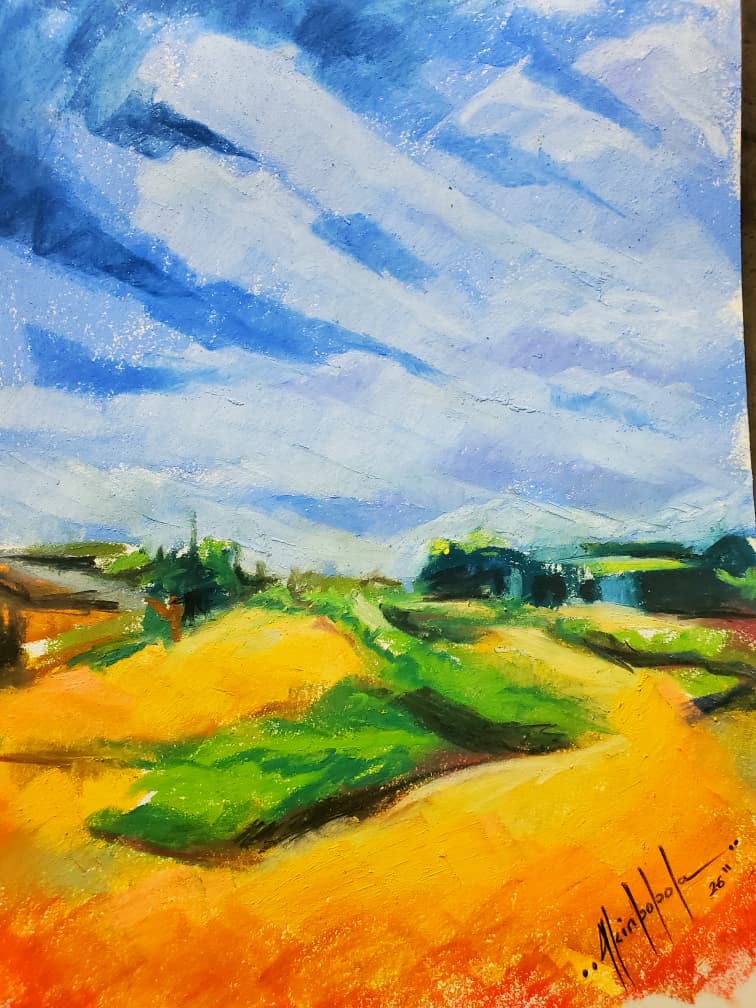
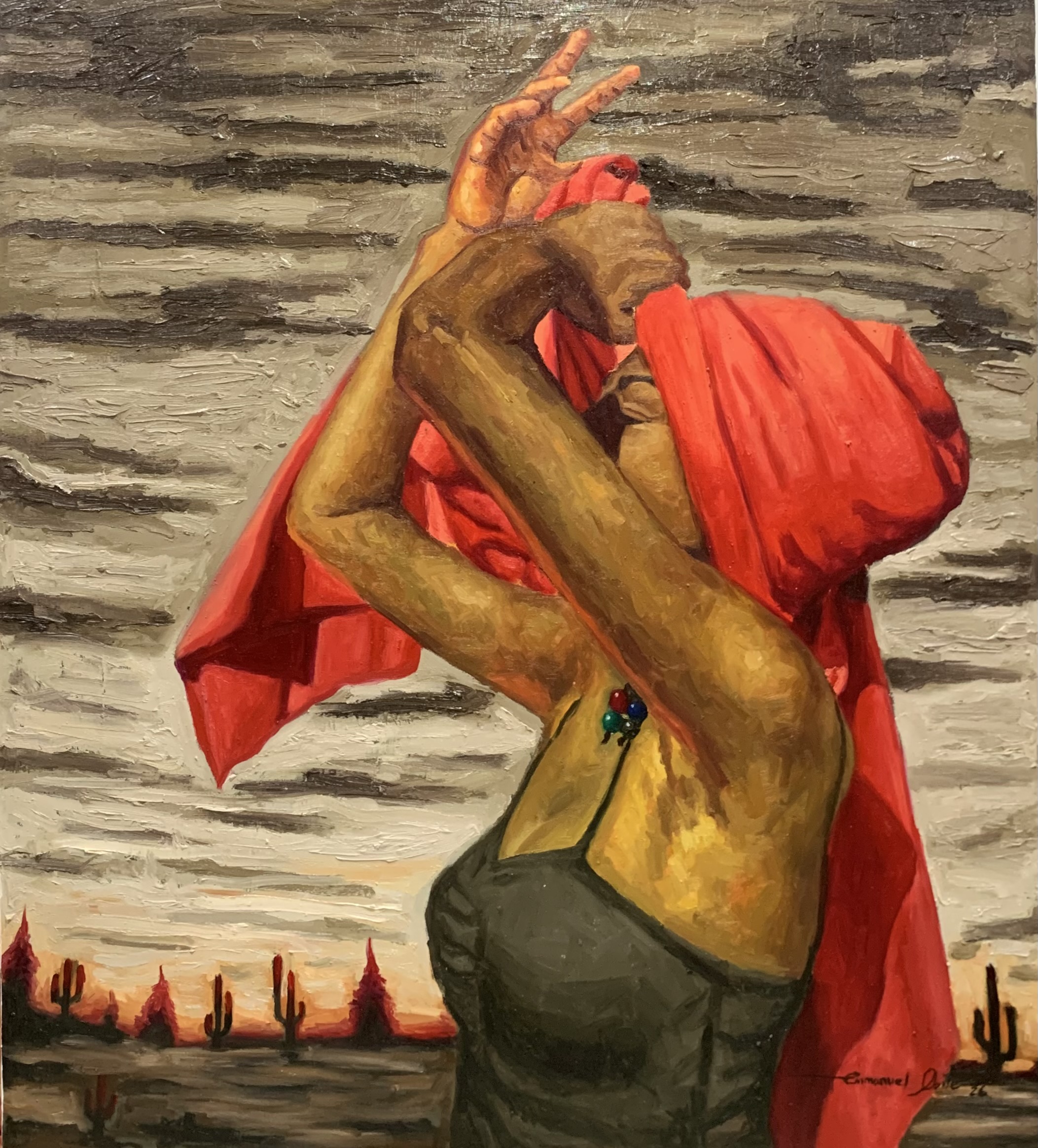
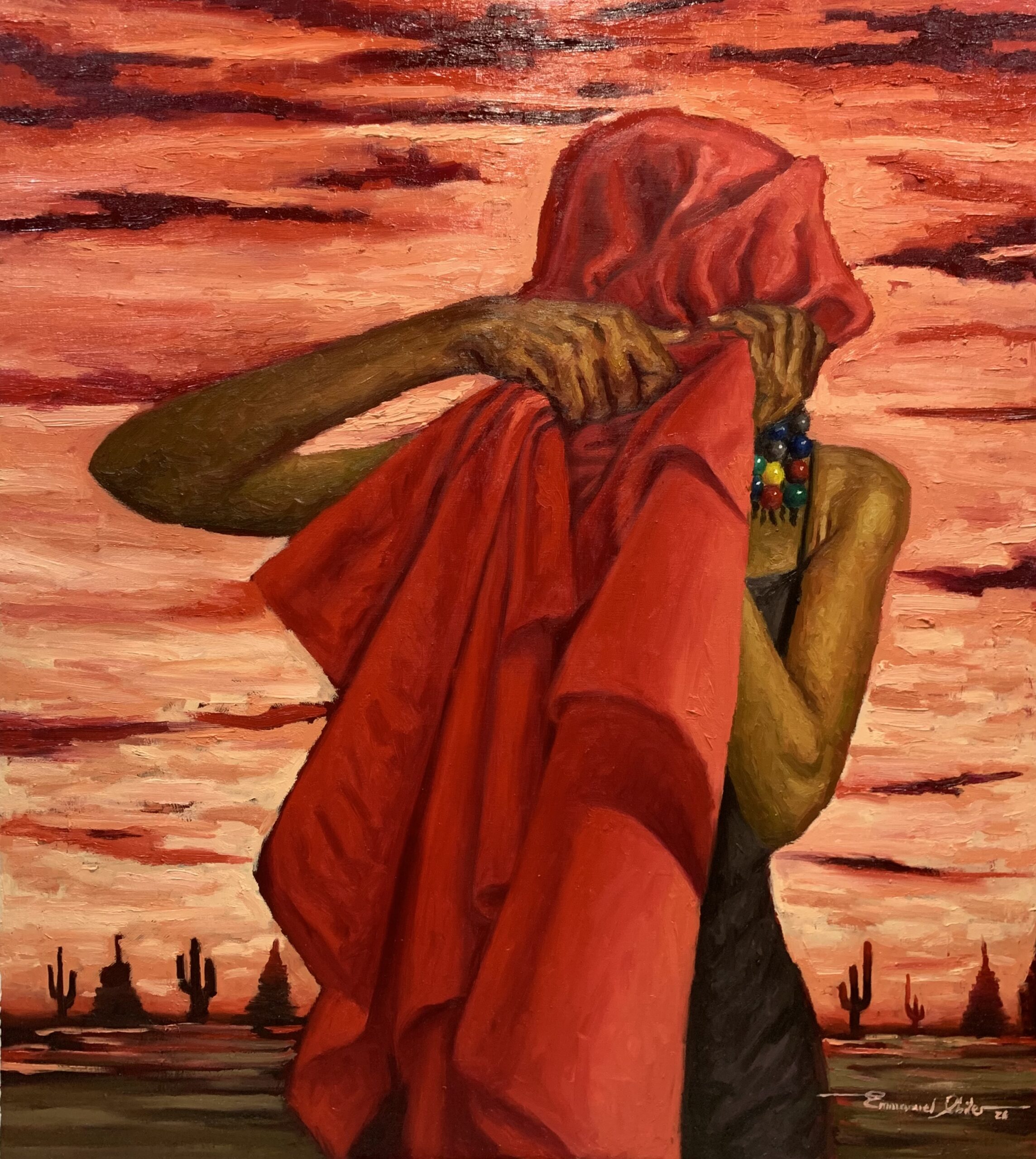
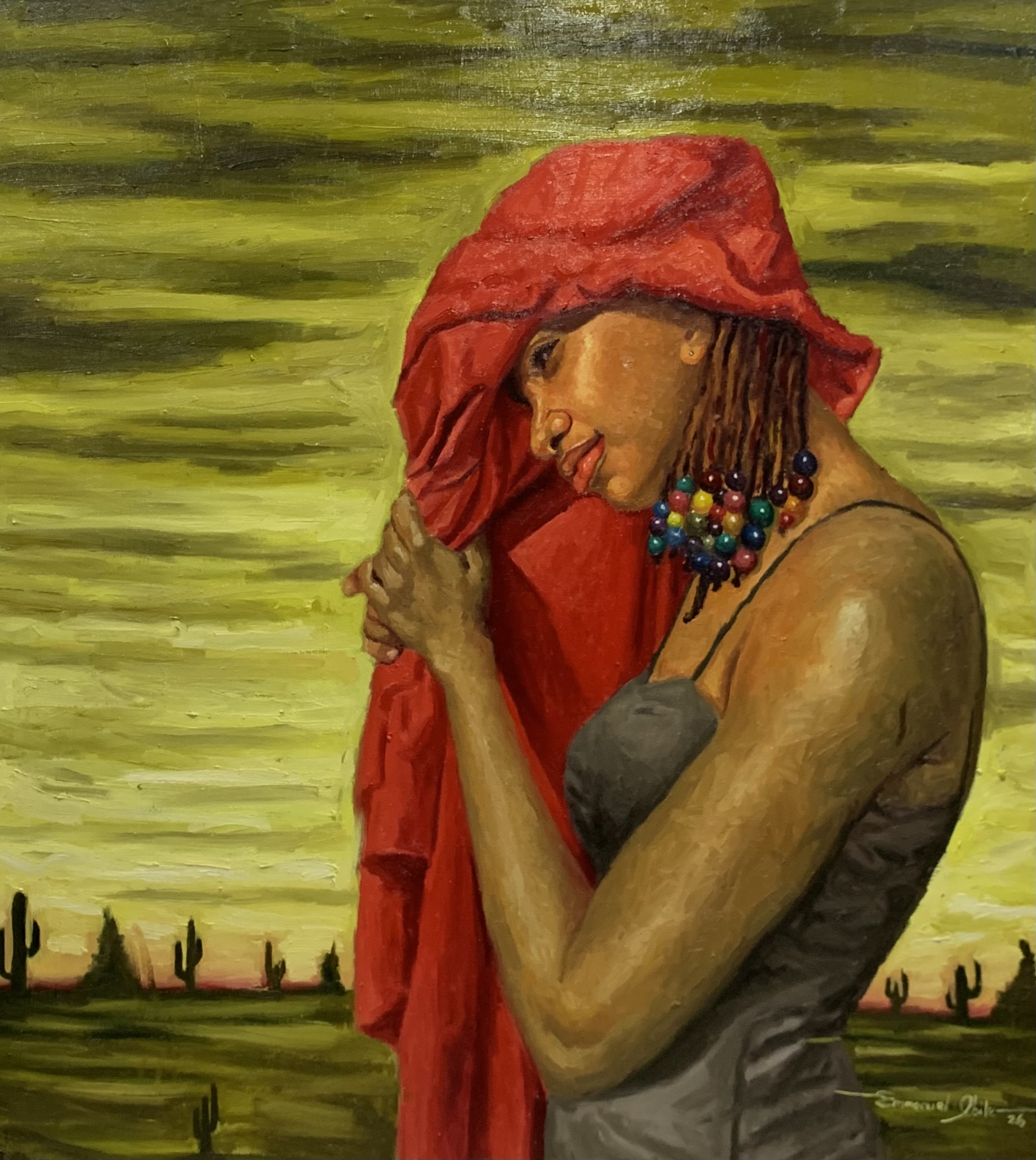
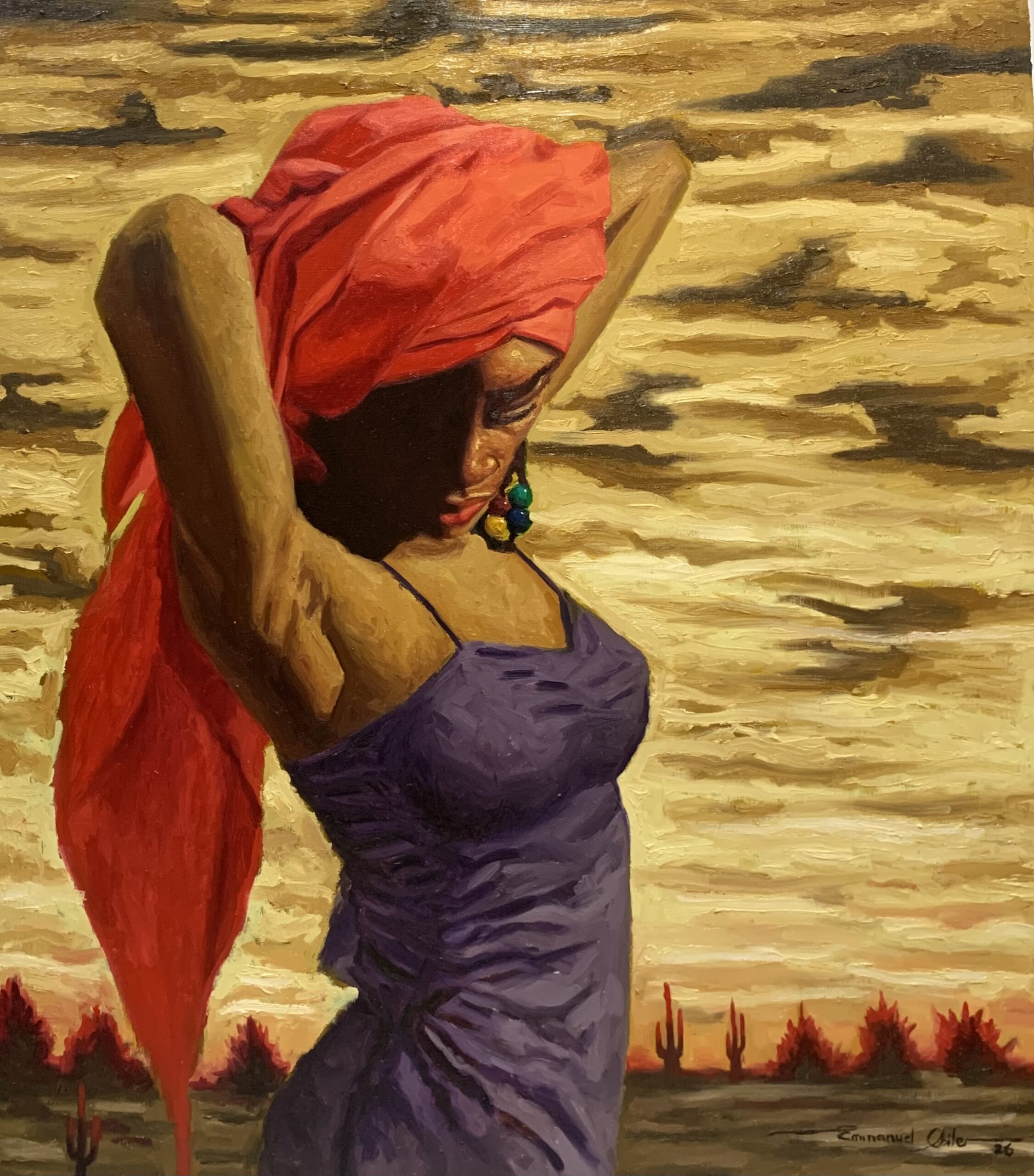
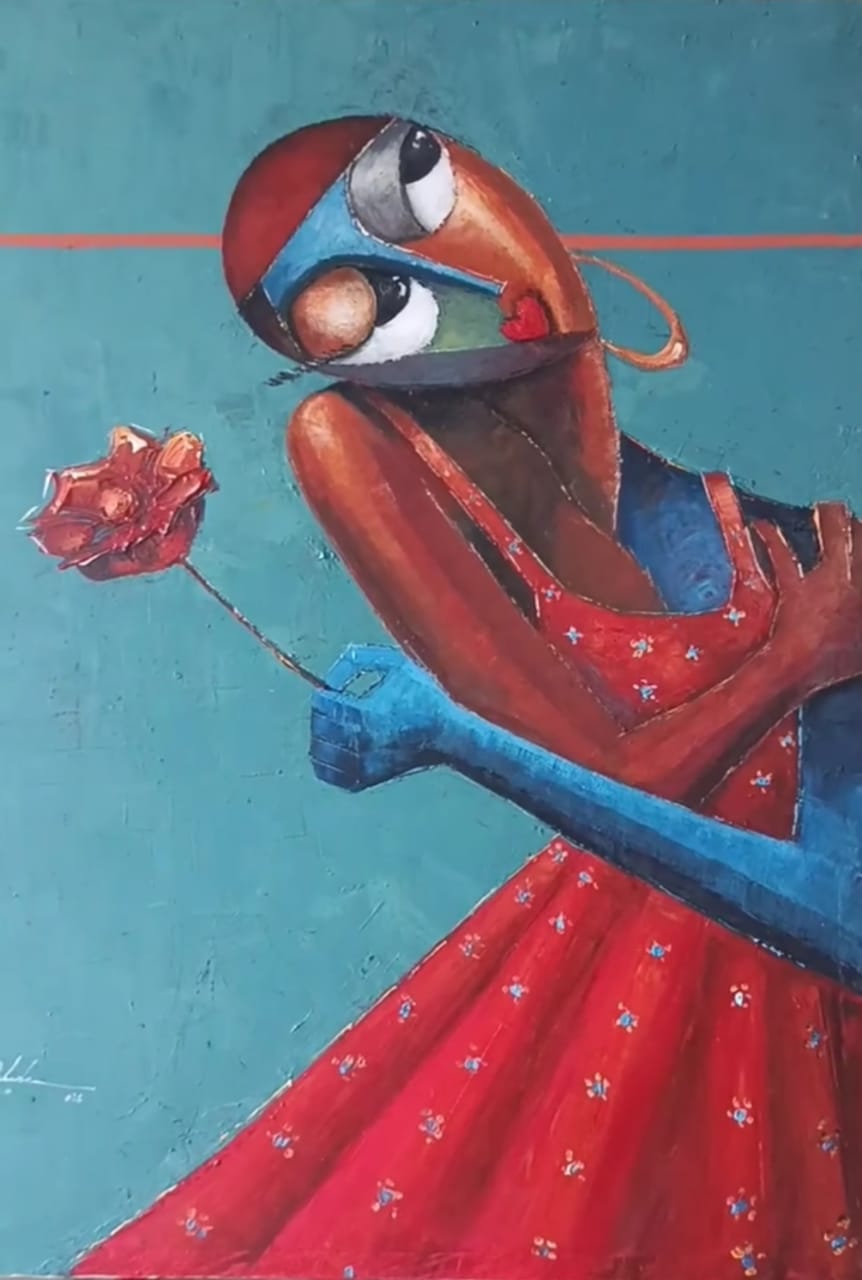
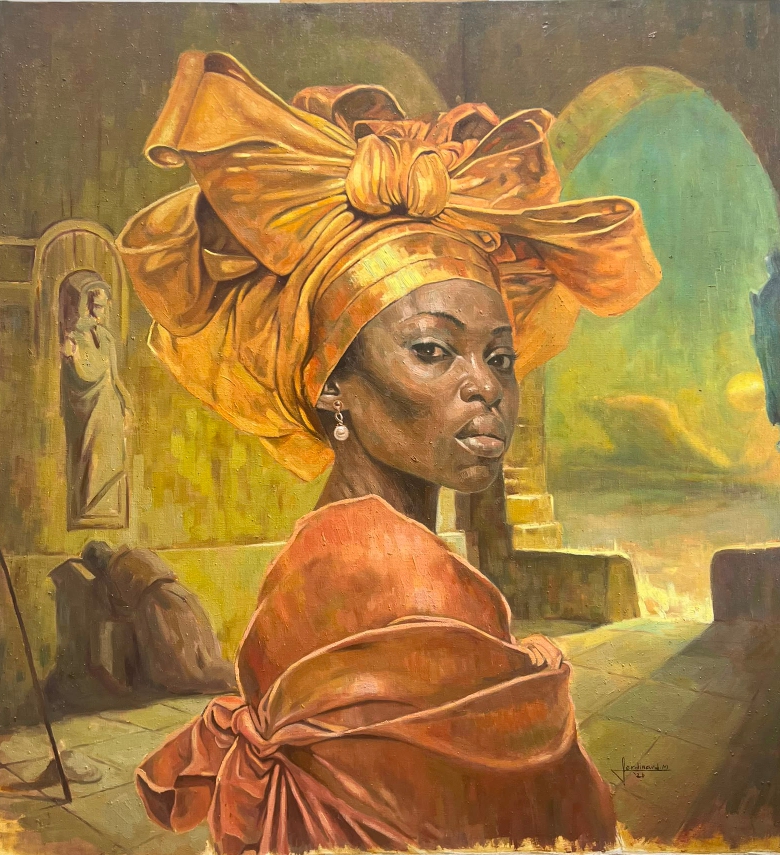
Co-curated by Daudi Yves and Bruno, Risk and Relevance: A Non-Linear Passagebrings together painting, mixed media, and photographic processes in an investigation of how colonial frameworks of migration, documentation, and citizenship continue to shape daily life — long after the flags of independence were raised.

Rather than treating displacement as an isolated condition — a temporary aberration to be managed and resolved — Yves situates it within the long arc of colonial history. The exhibition exposes the bureaucratic and social structures that still define visibility, belonging, and access: the forms that must be filled, the documents that must be produced, the borders that some cross freely while others risk everything to cross at all.
This is a political exhibition, but it never loses its humanity. Yves draws extensively from cross-border lived experience, honouring the cultural, linguistic, and socioeconomic contributions that displaced communities make wherever they settle — contributions that are too rarely acknowledged by the very systems that demand their compliance.
CURATORIAL APPROACH
A Non-Linear Approach to Migration Narratives in Contemporary African Art
The subtitle — A Non-Linear Passage — is not incidental. It is the exhibition’s formal and philosophical core. The tidy narrative arc of migration — departure, journey, arrival, integration — is a fiction. The lived reality of displacement is recursive, layered, and incomplete. You carry the place you left inside the place you inhabit now. Home is not a destination; it is a relationship, renegotiated constantly.
Yves refuses the linear. He refuses the story that ends with belonging granted, the arc that resolves. Instead, the exhibition moves through memory, testimony, and critique in a way that mirrors what it actually feels like to live between systems of recognition — to exist in the margins of someone else’s idea of who counts.
The mixed media approach reinforces this fragmentation. Painting gives weight and intimacy to individual stories. Photography anchors moments in material reality. And the use of found materials — objects already imbued with prior histories and purposes — extends the exhibition’s dialogue with the idea of things repurposed, rerouted, given new meaning in new contexts. Not unlike people.
WHY IT MATTERS
Why Daudi Yves’ Exhibition on Migration and Belonging Matters in 2026
There is something deliberate and necessary about this exhibition opening in Lusaka, Zambia — a country whose own history is woven with movement, with migration, with the lives of people who crossed borders by choice and by force. Risk and Relevance is not a distant, abstract conversation about elsewhere. It speaks to the present, to the region, to the continent.
And yet its questions reverberate globally. Who gets to belong? Whose movement is celebrated and whose is criminalised? What documentation must you produce to prove that your life matters? These are not uniquely African questions — they are the urgent questions of our time, surfacing from the Mediterranean to the Rio Grande to the shores of Southeast Asia.
Yves does not offer easy answers. He offers something harder and more valuable: honest witness. He asks us to sit with the complexity, to resist the temptation of the clean narrative, and to recognise — in the faces and stories and objects before us — the full weight of what displacement actually costs.
In positioning art as a site of reflection and dialogue rather than resolution, Risk and Relevance fulfils one of the oldest promises of the form: to make visible what power works hard to keep invisible, and to insist, stubbornly and beautifully, that these lives matter.