How African Art Shapes Mindful Living Spaces: History, Healing
by Glory Onyekwusi Feb 27, 2026
Mindfulness is often marketed today as a modern wellness trend soft lighting, neutral palettes, meditation apps. But long before mindfulness became a global industry, African societies were already designing spaces where art, ritual, and daily life were inseparable.
In many African cultures, art was never passive decoration. It was active. Functional. Spiritual. Psychological.
Art as Ritual: A Historical Foundation
Consider the terracotta heads of the NOK Culture (circa 500 BCE – 200 CE). These were not ornamental trinkets. They embodied spiritual authority and ancestral presence. Their stylised calm expressions suggest stillness — a visual language of contemplation that predates modern ideas of mindful aesthetics by millennia.
Or the bronzes of the Benin Bronze created from the 13th century onward. These plaques and sculptures documented history, hierarchy, and cosmology. They transformed palace walls into storytelling environments. Living among them meant living inside memory.
In ancient Ancient Egypt temple reliefs and domestic objects were aligned with spiritual order (Ma’at). Art regulated space. Space regulated consciousness.
Across the continent, objects carried intention. Carvers fasted before creating masks. Weavers embedded lineage in textiles. Potters shaped clay rhythmically, in repetition that modern neuroscience now recognises as calming and regulating.
In this context, art was already a mindfulness practice.
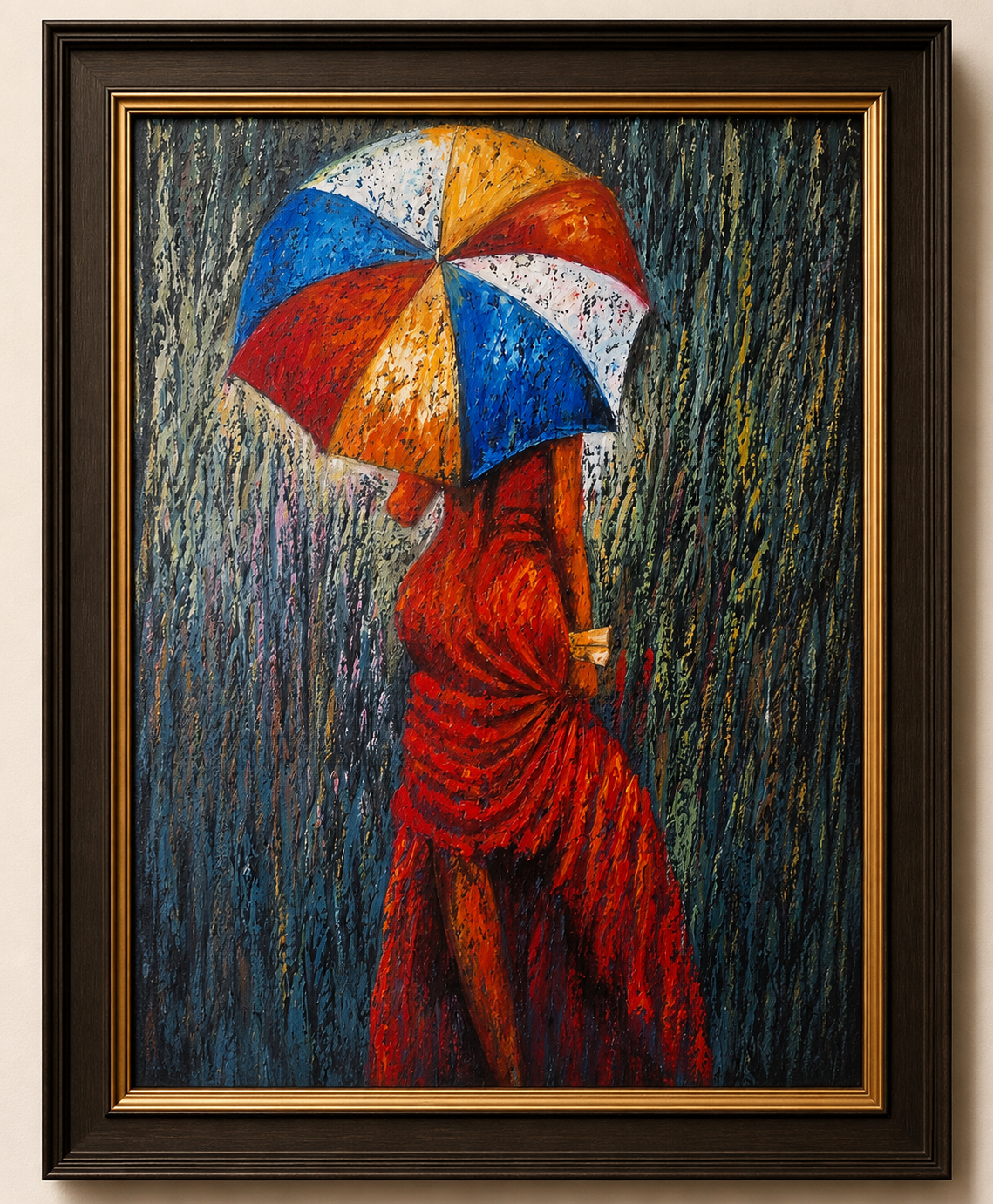
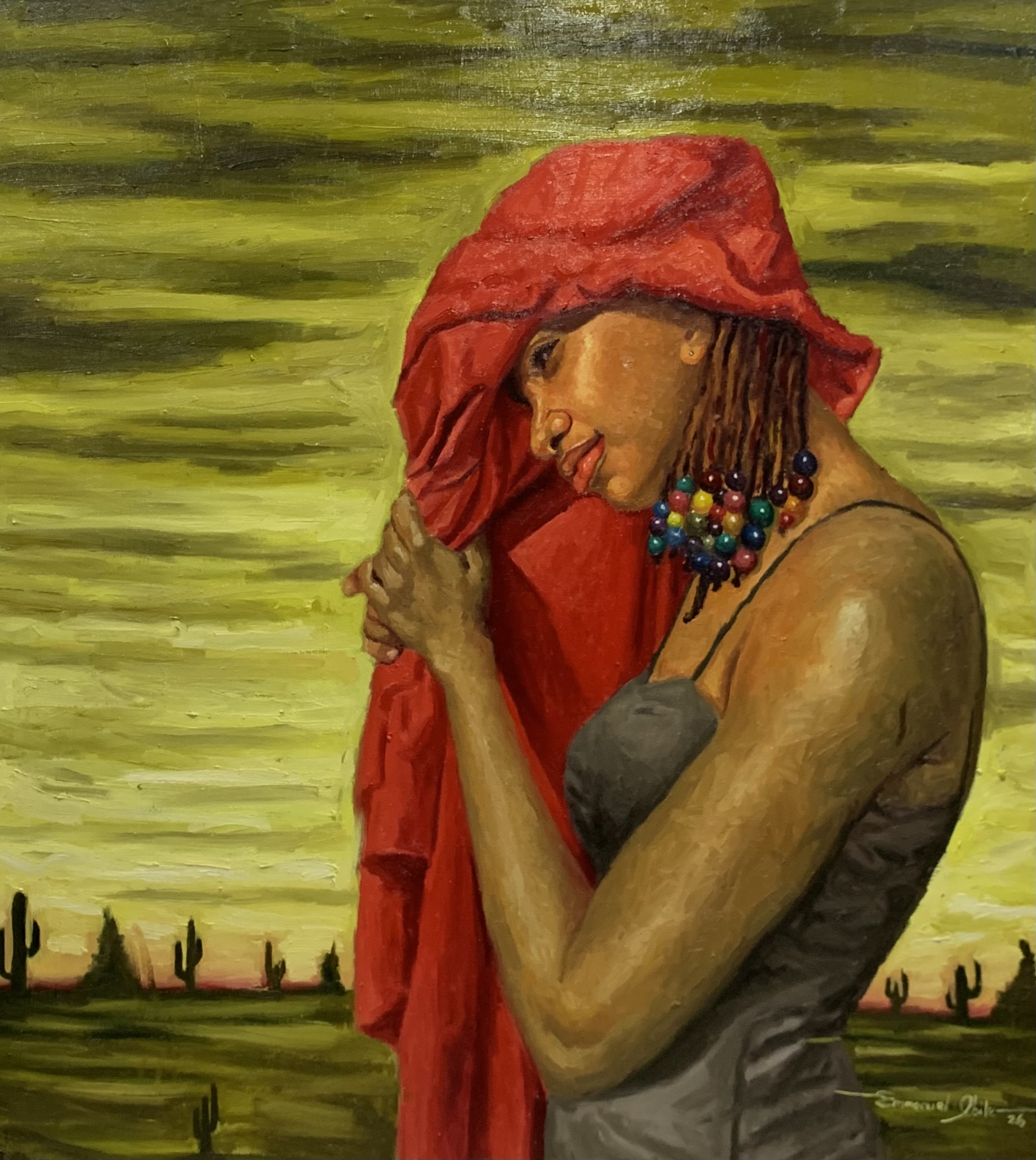
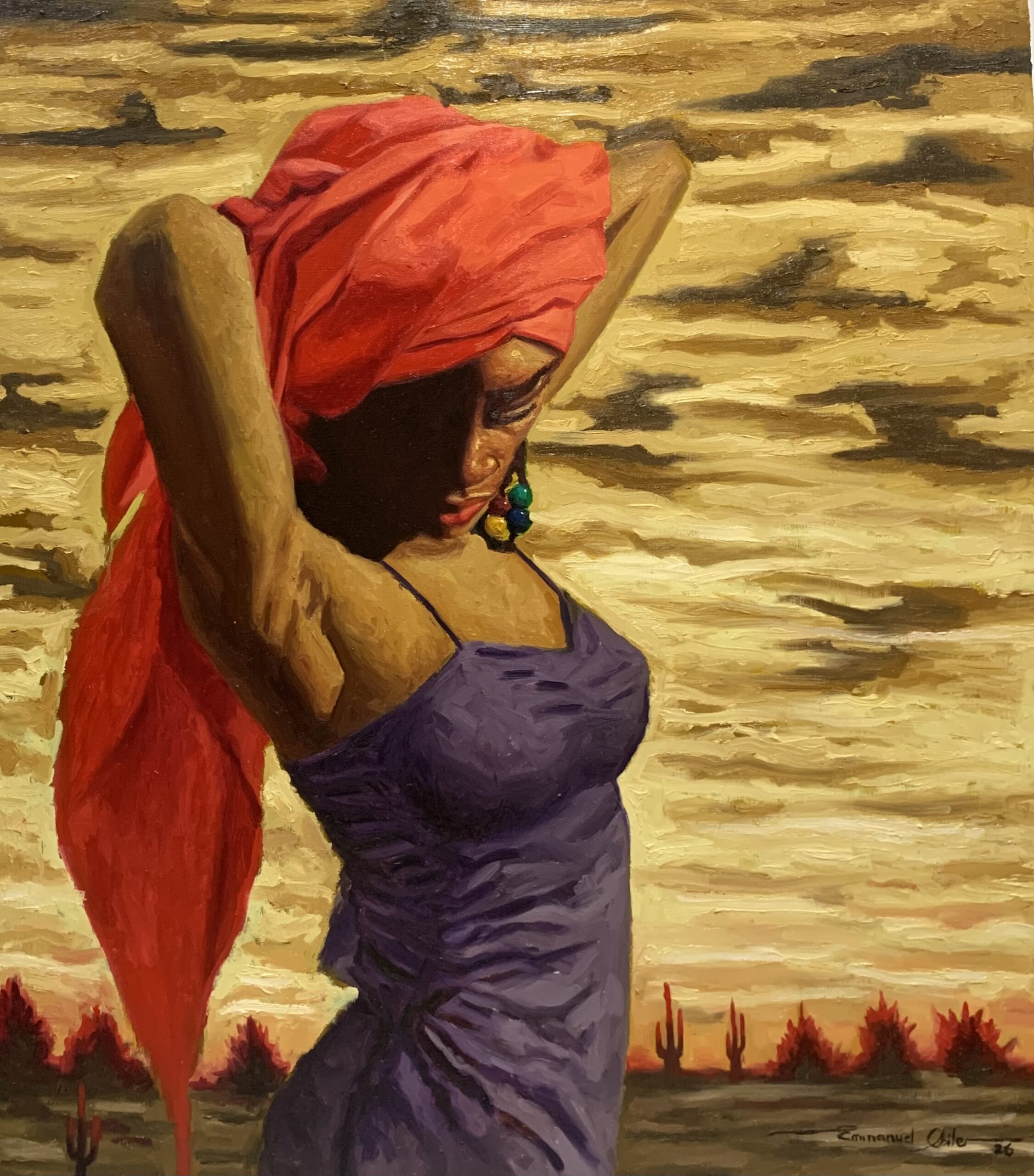
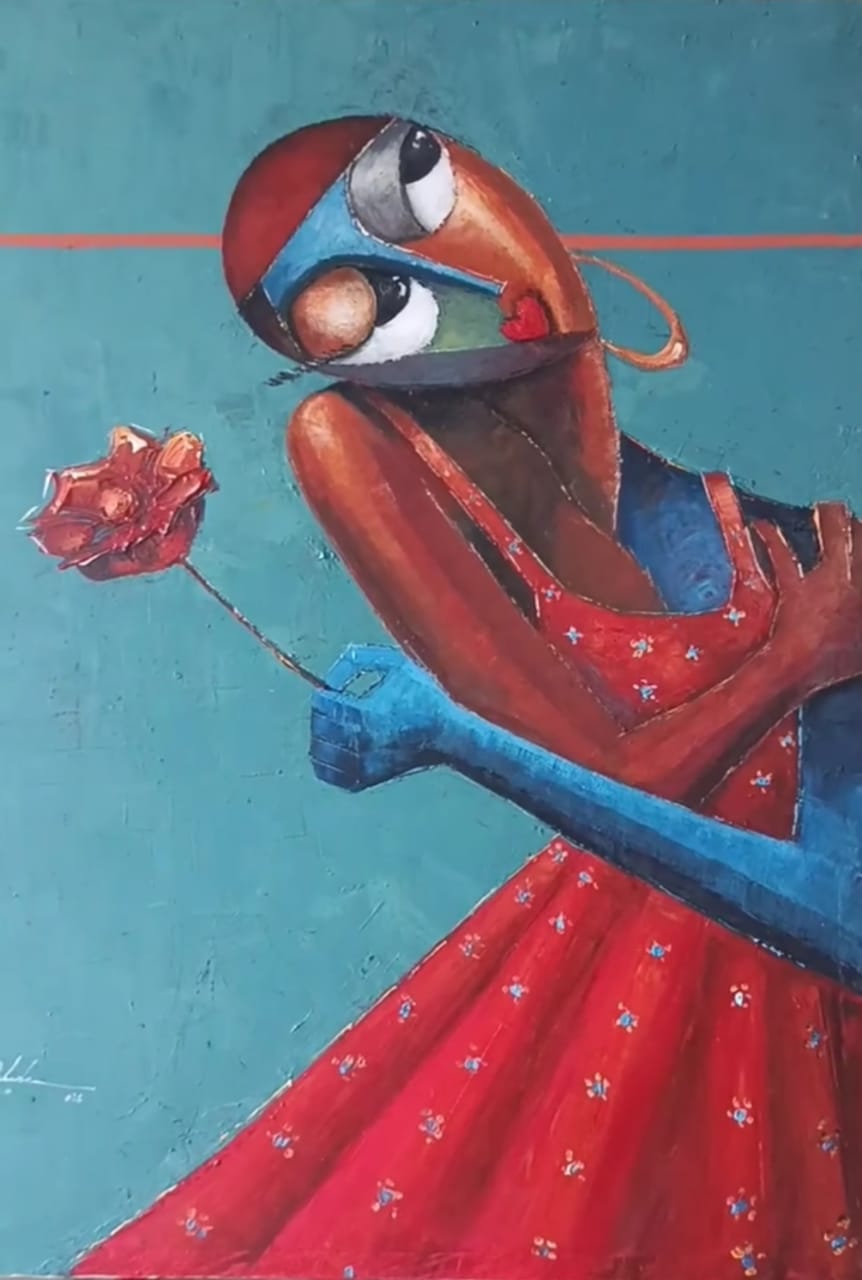
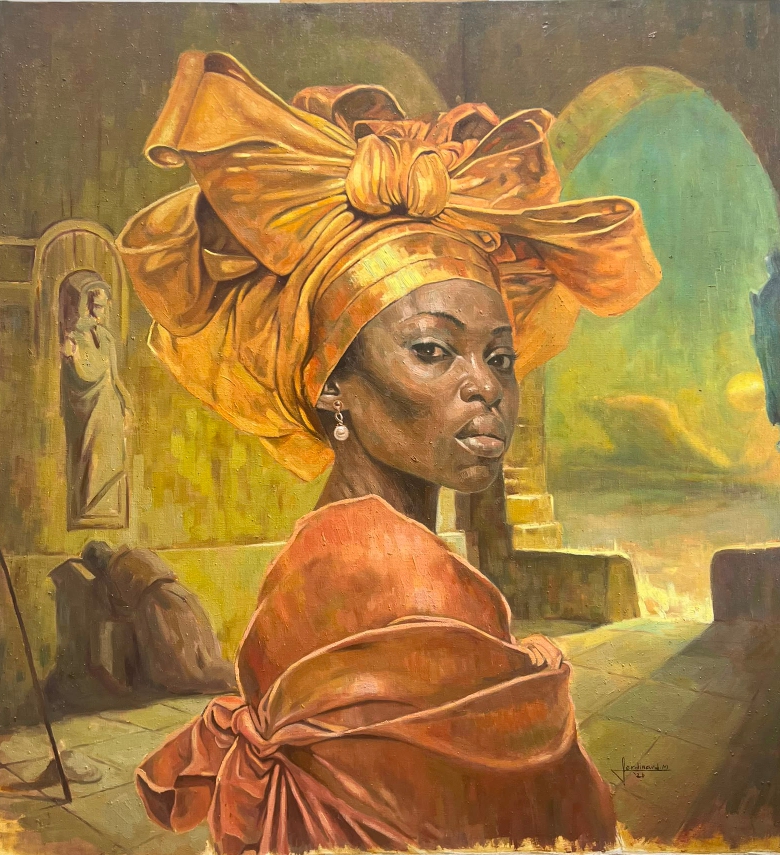
When we place African art intentionally in our homes today, we are not just styling an interior. We are reactivating an ancient philosophy of presence.
The Psychology of Tactile Materials
African art traditions frequently prioritise natural materials: wood, raffia, bronze, clay, indigo dye, beadwork. These materials age. They breathe. They respond to touch and light.
Contemporary research in environmental psychology shows that natural textures and organic materials reduce stress and increase parasympathetic nervous system activity — the body’s “rest and digest” mode.
When you introduce carved wood from West Africa or handwoven bark cloth from Uganda into a living space, you are not only introducing cultural narrative. You are activating sensory grounding.
Nnenna Okore (Nigeria)
Born in 1975Okore works with burlap, wire, paper, and organic materials to create sculptural installations that explore cycles of decay and regeneration. Her repetitive, meditative process is visible in the texture of the work itself. Installed in a quiet interior, her pieces feel almost like breathing organisms slow, layered, and contemplative.
El Anatsui (Ghana)
Known globally for his monumental installations made from recycled bottle caps, Anatsui transforms discarded materials into flowing, textile-like forms. His works shimmer with movement and history. When placed in architectural space, they shift with light throughout the day, subtly reminding viewers of impermanence and transformation — central themes in mindfulness philosophy.
Leilah Babirye (Uganda)
Babirye’s sculptural figures reclaim identity and dignity, particularly within LGBTQ+ narratives. Her works are deeply personal yet universal. Displayed in a home, they do more than decorate; they affirm presence. They become emotional anchors.
Ibrahim Mahama (Ghana) works with jute sacks and industrial materials, often wrapping buildings to reflect labour, migration, and global trade systems. His installations transform architecture into reflective environments. They demonstrate how material context shapes emotional awareness a principle easily translated into mindful interior design.
Case Insight: African Art in Healing Contexts
Art-based therapeutic practices are expanding across parts of East and Southern Africa, blending indigenous storytelling, dance, and visual expression with psychological frameworks. In Kenya, Uganda, and South Africa, community arts programs have been used in trauma recovery and youth development contexts.
These initiatives reinforce something African cultures have long understood: creative expression regulates emotion. Collective art-making builds resilience.
A mindful living space informed by African art is not silent or sterile. It is narrative. It holds memory. It honours ancestry. It encourages pause.
Designing a Mindful Space with African Art (Beyond Aesthetics)
- Choose art with story, not just colour.
Research the origin. Understand the symbolism. Mindfulness deepens when knowledge accompanies beauty. - Create breathing space around powerful objects.
In many African traditions, masks and figures were given spatial respect. Avoid overcrowding. - Use art as a ritual cue.
Light a candle beneath a textile. Journal beneath a sculpture. Allow the object to become part of your daily rhythm. - Layer history with modernity.
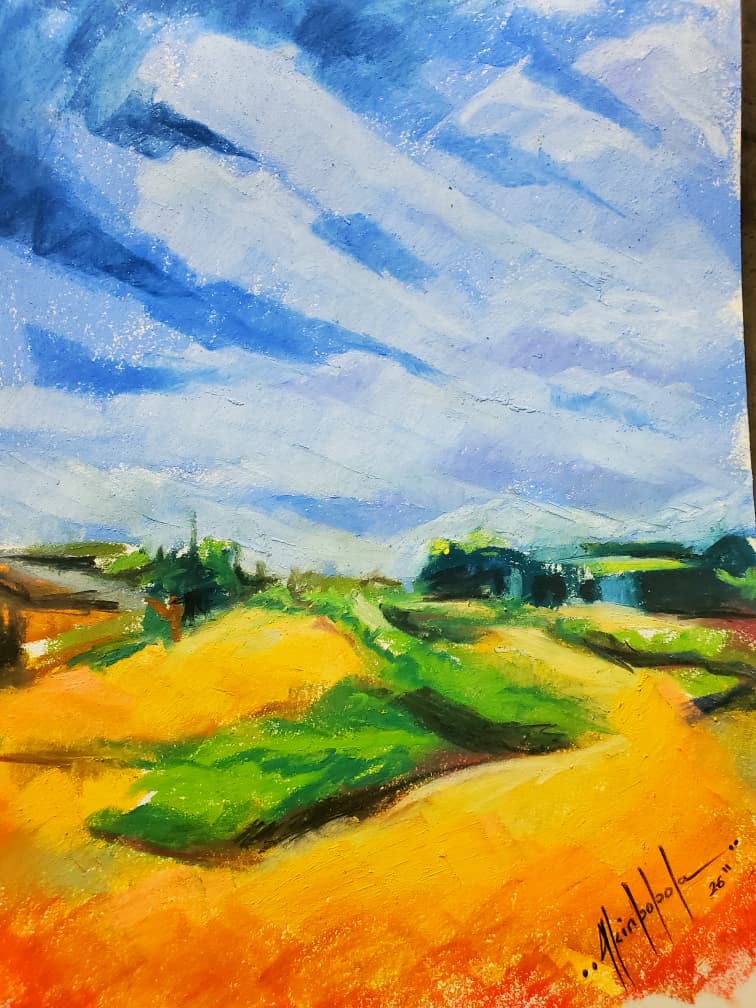
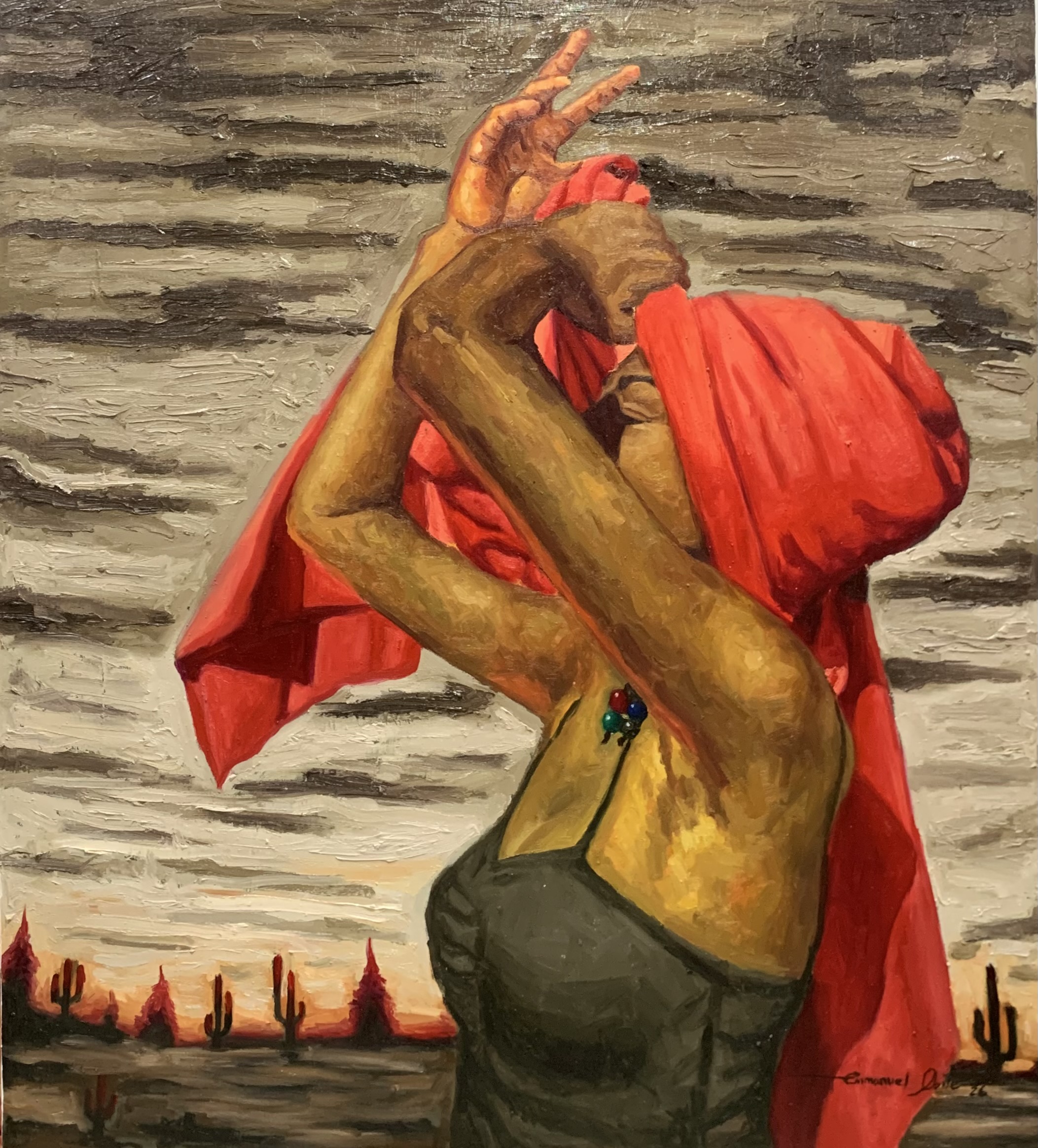
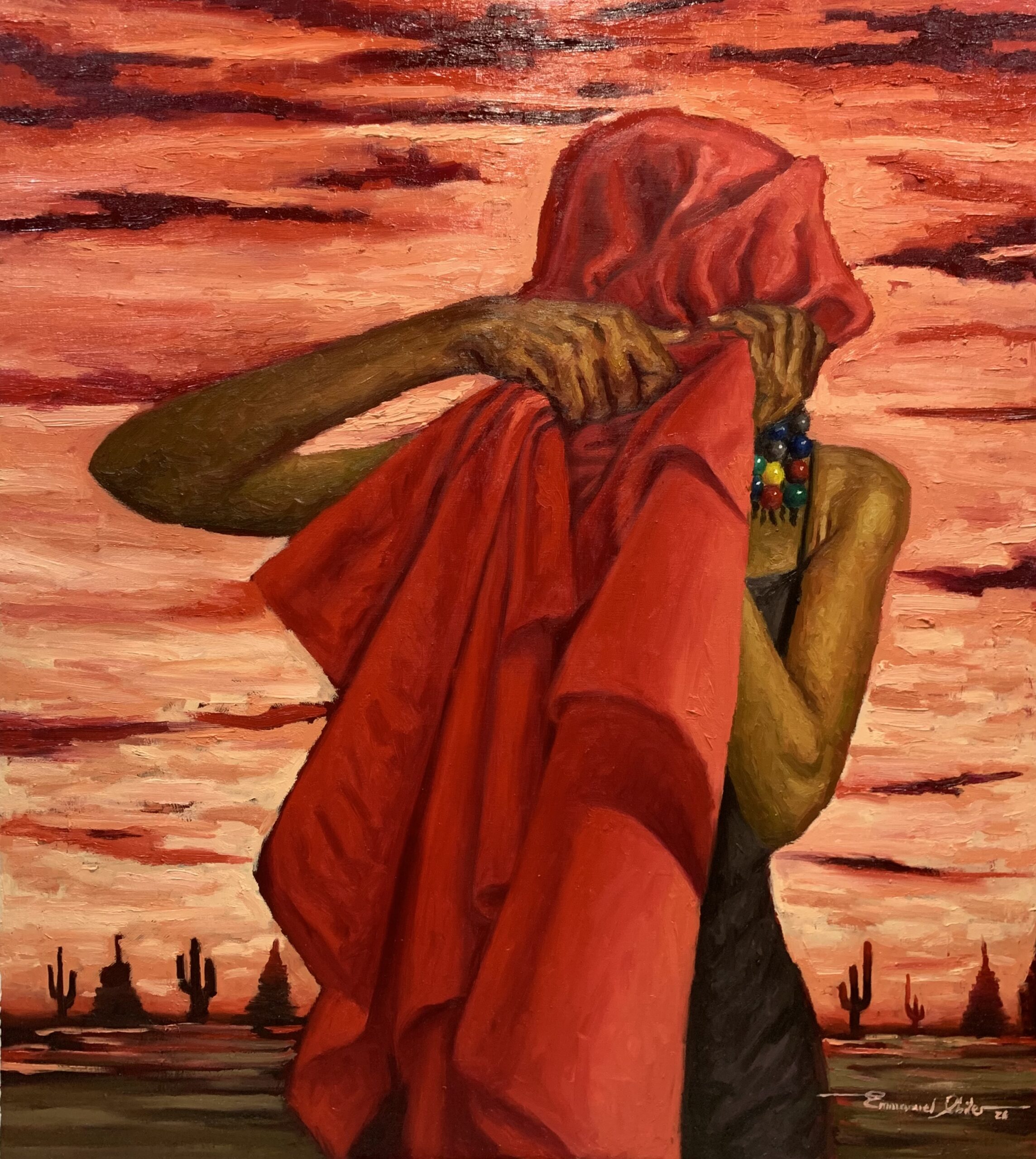
A contemporary Nigerian painting beside minimalist furniture creates dialogue between eras — a reminder that tradition evolves, just like we do.