Guinea Debuts Its First National Pavilion at the Venice Biennale
by Glory Onyekwusi May 2, 2026
For the first time in its history, Guinea presents a national pavilion at the Venice Biennale with Le Son de l’Art: Écho de la Matière. Installed at San Servolo, the exhibition transforms the historic Venetian site into a layered space of sound, memory, material exploration, and postcolonial reflection.
Guinea’s participation marks an important historical moment within the evolution of the Biennale itself. Since its founding in 1895, the Venice Biennale has long functioned as one of the art world’s most influential international exhibitions. However, for much of its history, representation within the Biennale largely reflected European and Western cultural dominance, while many African nations remained absent or significantly underrepresented.
In this context, Guinea’s debut carries both symbolic and institutional significance. The pavilion does more than introduce the country to an international audience; it also contributes to the ongoing transformation of how national representation operates within global contemporary art spaces.
Le Son de l’Art: Écho de la Matière builds its atmosphere through immersive and multi-sensory installation strategies. Using sound, texture, spatial interventions, and material experimentation, the exhibition creates what feels like a living archive where history is experienced physically as much as visually. Visitors move through environments that evoke memory, displacement, survival, and cultural continuity.
The exhibition’s emphasis on materiality becomes especially important within the postcolonial context. Rather than presenting history as static documentation, the pavilion explores how memory lives within objects, environments, and sensory experience. In doing so, it reflects broader conversations across contemporary African art about identity, historical recovery, and the politics of visibility.

Guinea’s presence at the Biennale also reflects the growing expansion of African participation within major global art platforms over the last two decades. As more African nations establish national pavilions, the structure of the Biennale itself continues to evolve beyond its historically Eurocentric foundations.
Within this broader shift, Le Son de l’Art: Écho de la Matière stands as both an artistic presentation and a historical statement — one that positions Guinea within international contemporary art discourse while contributing to wider conversations about representation, memory, and cultural agency.
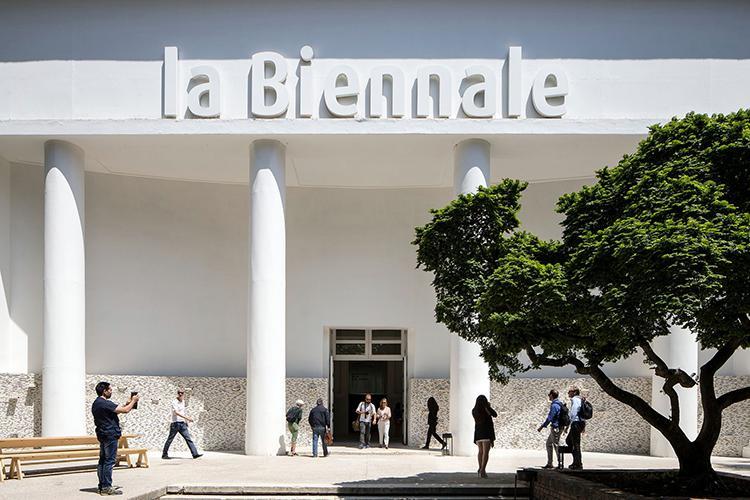
image thumbnail source – La Biennale di Venezia