African Art as Data: What Patterns in Sales, Exhibitions, and Auctions Tell Us About Cultural Value
by Glory Onyekwusi Nov 12, 2025
African art is no longer confined to local markets or private collections; it has become a global phenomenon. From high-profile auctions in London and New York to contemporary art fairs in Marrakech and Lagos, African artworks are increasingly sought after by collectors, museums, and investors. But beyond the aesthetics and cultural significance, these artworks tell a story when examined as data. By analyzing patterns in sales, exhibitions, and auctions, we can gain insight into both the economic and cultural value of African art.
The Market in Numbers
- Globally, the art market was estimated at around US$552.03 billion in 2024, with projections of reaching roughly US$585.98 billion in 2025. rollingstoneafrica.co
- Focusing on African‑born artists: According to the research firm ArtTactic, works by African artists currently exceed US$72 million annually, more than double the value in 2016.
- Works by African‑born artists in Modern, Post‑War, Contemporary, and Ultra‑Contemporary categories reached approximately US$77.2 million in auction sales in 2024, down from about US$113.4 million in 2023.
- Female African artists achieved a combined US$22 million in auction sales in 2024, representing about 52.8% of the total by number of lots for African‑born artists in major auction houses.
Exhibition & Regional Insights
Exhibitions and regional markets are playing a key role in shaping demand, visibility, and value. For example:
- Regional houses like Strauss & Co (South Africa) reported total 2024 sales of R388 million (~US$21.6 million) across 6,745 lots, with digital sales accounting for 77.8% and international buyers accounting for 21.7%. shared.straussart.co.za
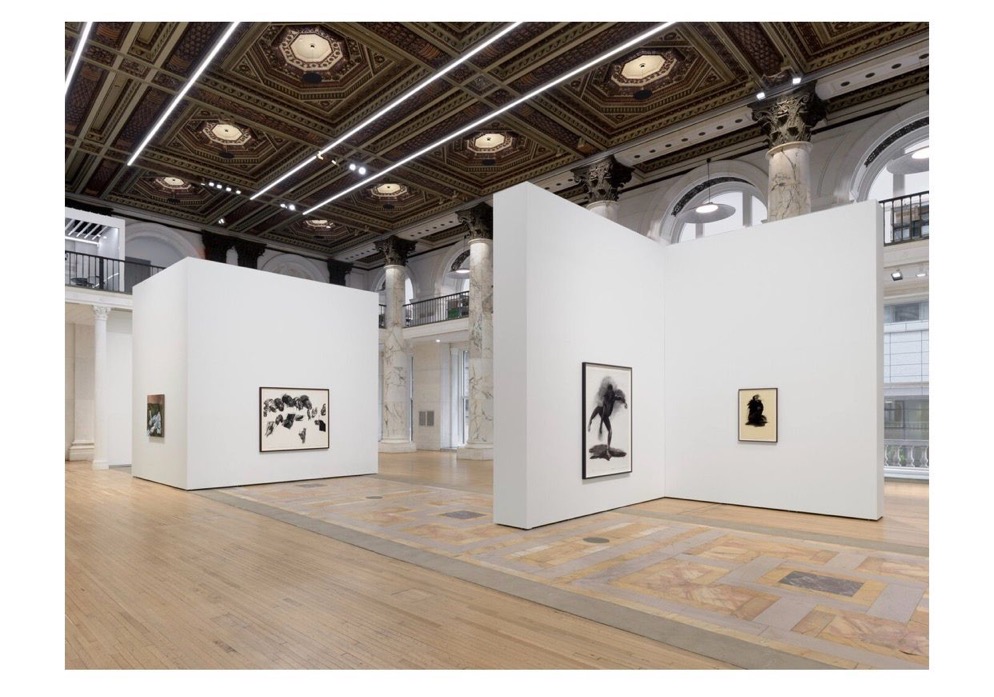
- The rise of major African art fairs (such as 1‑54 Contemporary African Art Fair) and museum shows means African art is not only being sold but curated and exhibited globally—shaping taste and market readiness.
- Regionally, while West Africa remains a strong contributor, East and Southern African markets are emerging, offering new opportunities for recognition and growth.
Patterns in Sales: Benchmarking African Art
- High-value sales provide crucial benchmarks in the market. In 2024, Ethiopian-American artist Julie Mehretu led the category with her abstract painting Mumbaphilia (J.E.), which sold for US$5.8 million at Christie’s New York on 14 May 2024. This was the highest-selling African-artist work of the year and underscored Mehretu’s position as a leading contemporary voice. (The Guardian)
- Nigerian modernist Benedict Enwonwu also saw strong results. His painting FESTAC ’77 sold for £444,900 (~US$543,000) at Bonhams London in October 2024, reflecting rising global recognition for mid-20th-century African modernist works. Similarly, South African artists like William Kentridge (Monument I) and Irma Stern (Zululand) achieved sales exceeding US$500,000, demonstrating that both contemporary and modernist works maintain robust collector interest.
These benchmark sales not only establish price points but also contribute to the broader visibility of African art in the global market, signaling that investment in these works is increasingly viable and desirable.
Volume vs. Value: Emerging Market Patterns
While headline auction values declined between 2023 and 2024, the number of lots sold has increased. According to ArtTactic, this trend reflects a market that is diversifying, with more artists, collectors, and artworks participating. South African auction house Strauss & Co reported total sales of R388 million (~US$21.6 million) across 6,745 lots in 2024, with 77.8% sold digitally and 21.7% of buyers located internationally. (Strauss & Co Annual Review 2024)
This shift highlights the increasing importance of digital platforms and online auctions in expanding access to African art. Even as high-value sales attract attention, the broader market is becoming more inclusive and dynamic.
Investment Insights and Cultural Value: A Critical Perspective
The data surrounding African art sales, exhibitions, and auctions reveals more than just numerical trends—it exposes underlying market dynamics, opportunities, and structural challenges that must be critically assessed by artists, collectors, and platforms. Understanding these patterns allows stakeholders not just to respond to the market but to anticipate shifts and position themselves strategically.
Market Dynamics and Investment Considerations
High-value sales, such as Julie Mehretu’s Mumbaphilia (J.E.) (US$5.8 million) and Benedict Enwonwu’s FESTAC ’77 (~US$543,000), indicate that certain artists and genres command premium valuations, setting benchmarks for collectors. However, the broader market tells a more nuanced story. Auction sales for African-born artists dropped from US$113.4 million in 2023 to US$77.2 million in 2024, while lot volumes increased. This divergence suggests a market bifurcation: while high-end sales fluctuate, entry-level and mid-tier transactions are gaining traction. Investors should critically recognize that volume and accessibility are becoming as strategically important as headline prices in assessing market stability and growth potential.
The performance of female African artists further highlights evolving demand patterns. Female artists accounted for 52.8% of lots sold in 2024, with several achieving top-five highest prices. This shift reflects both changing collector preferences and institutional efforts to address historical imbalances, suggesting that investment strategies should not rely solely on established male-dominated markets. Proactively engaging with emerging female talent may offer long-term value as these artists consolidate their global recognition.
Regionally, the traditional dominance of West Africa is being challenged by the emergence of East and Southern African artists. Kenya, Tanzania, Uganda, and South Africa are generating increasing interest at international fairs and online auctions. This trend implies that geographic diversification in collections could mitigate risk and capture untapped growth potential. Collectors and investors ignoring emerging regional hubs risk missing early-stage opportunities in a market that is both expanding and evolving rapidly.
Cultural Value as Market Driver
Critically analyzing African art through a cultural lens underscores that economic value and cultural significance are increasingly intertwined. Provenance, exhibition history, and digital presence now directly influence market pricing, meaning that cultural legitimacy and visibility are not merely symbolic; they are tangible economic factors. Collectors and platforms that fail to recognize this connection may overestimate the value of artworks lacking documented histories or institutional recognition.
Moreover, the rise of digital platforms has democratized access, enabling international buyers to participate in African art markets without the traditional gatekeeping of galleries or regional fairs. This shift creates both opportunities and challenges: while digital sales broaden the collector base, they may also compress prices for less-recognized works and introduce volatility for artists who lack robust market infrastructure. Platforms that strategically integrate digital reach with careful curation and provenance verification are likely to generate the most sustainable growth and credibility.
Strategic Recommendations
Based on the patterns observed, several critical recommendations emerge:
For Artists: Prioritize documentation, provenance, and visibility in exhibitions and digital platforms. Artists who invest in professional presentation and build a clear narrative around their work are better positioned to capture both cultural and economic value.
For Collectors: Avoid focusing solely on headline high-value sales. Instead, analyze market trends, gender representation, and regional growth, balancing investment in established artists with emerging talent. Diversification across media, regions, and career stages reduces risk and maximizes exposure to rising market segments.
For Platforms and Galleries: Move beyond transactional models to become educational and analytical hubs. Platforms that provide data-driven insights, highlight emerging markets, and contextualize the cultural significance of works will enhance credibility, attract informed collectors, and stimulate sustainable market growth.
For Policymakers and Cultural Institutions: Invest in infrastructure that supports provenance verification, market education, and exhibition opportunities. Building trust and transparency will strengthen both economic and cultural valuations of African art.
Conclusion: Beyond Numbers
By critically examining African art as data, stakeholders gain a multi-dimensional understanding of the market. Patterns in sales, exhibitions, and digital platforms reveal not only current economic conditions but also future potential, highlighting the interplay between investment viability and cultural significance. African art is no longer a niche—it is a dynamic, evolving ecosystem, where careful analysis, strategic engagement, and attention to cultural value can create both financial and societal impact.
In this environment, knowledge is power: platforms like Art Africa are uniquely positioned to not just showcase art but to guide the market, inform collectors, and amplify the voices of artists shaping the next chapter of African creativity.