The Rise of Abstract Expressionism and Its Global Legacy
by Queenswill Bestman Mar 4, 2026
There is a moment, if you have ever stood in front of a truly great abstract painting, where language stops working. Your brain reaches for words and finds none. And in that gap, something else rushes in: something older, rawer, and entirely your own. That is the power of abstract expressionism. And it is not an accident.
Abstract expressionism is one of the most significant movements in the history of human creativity. It broke every rule, dismantled every expectation, and in doing so, gave artists and the world permission to feel. To really, deeply, unapologetically feel. And when you look at the tradition of African abstract art, you begin to realise this story is far older and far richer than the history books have told us.
The Roots of Revolt: Where Abstract Expressionism Began
To understand abstract expressionism, you have to understand the world it was born into. The mid-20th century was a time of profound disorientation. Two world wars had shattered the illusion of Western civilization’s orderly progress. Millions were dead. The old certainties of religion, reason, and representation felt hollow, even fraudulent. Art needed to do something new. Something honest.
The movement emerged in New York City in the 1940s and 1950s, earning it the nickname the “New York School.” But its DNA was far older and far wider. German Expressionism had already shown that paint could carry emotional weight beyond mere depiction. The Surrealists had championed the unconscious as a legitimate creative force. And when European artists fled Nazi Germany for America, they carried the seeds of revolution with them.
American artists absorbed these influences and exploded them into something entirely their own. Abstract expressionism was born not from comfort but from crisis, and that gives it an urgency and intensity that still radiates off the canvas today.
Two Streams: Gesture and Colour
Abstract expressionism is not one thing. Art historians typically divide the movement into two major streams, each a different answer to the same question: how do you paint a feeling?
Action Painting was championed by painters like Jackson Pollock and Willem de Kooning, who believed the act of painting was the point. Pollock laid his canvases on the floor and moved around them, dripping, flinging, and pouring paint in a dance of pure physical energy. The painting became a record of the artist’s body, their breath, their state of mind. The gesture was the message.
Colour Field Painting was the path taken by Mark Rothko, Barnett Newman, and Helen Frankenthaler. They believed that colour itself could speak directly to the human nervous system, bypassing the mind and landing straight in the gut. Rothko’s luminous, blurred rectangles of colour have made grown adults weep in galleries around the world, not because they depict something sad, but because they open a door to something ancient inside us that rarely gets to speak.
The Artists Who Changed Everything
Jackson Pollock (1912–1956) The mythic figure of the movement. Pollock’s drip technique produced works of staggering kinetic complexity. His most celebrated pieces feel like galaxies: infinite, threatening, alive. He once said: “When I am in my painting, I’m not aware of what I’m doing.” That was not carelessness. That was total surrender.
Mark Rothko (1903–1970) Born in Latvia, Rothko developed his signature style of softly edged, layered rectangular forms floating against coloured grounds. He wanted his paintings experienced up close, almost uncomfortably close, so viewers could be enveloped by colour. The Rothko Chapel in Houston remains one of the most spiritually charged spaces on earth.
Willem de Kooning (1904–1997) De Kooning straddled the line between figuration and abstraction, never fully surrendering to either. His Women series, featuring ferocious and fragmented female figures rendered in slashing, overlapping brushstrokes, provoked outrage and fascination in equal measure.
Helen Frankenthaler (1928–2011) A genuine innovator, often overlooked. Frankenthaler developed the “soak-stain” technique, pouring thinned paint onto unprimed canvas so it soaked in like watercolour. Her painting Mountains and Sea (1952), made when she was just 23, influenced an entire generation of painters.
Lee Krasner (1908–1984) One of the most rigorously intelligent painters in the movement, Krasner spent much of her career in the shadow of her husband, Jackson Pollock. But her own work, bold, restless, and formally complex, demonstrates a mastery that rivals anyone in the canon. Her story is a reminder that the history of art is also a history of who gets to be seen.
Franz Kline (1910–1962) Working almost exclusively in black and white, Kline stripped painting down to its most elemental forces. His huge architectural forms crashing across white canvas look like calligraphy written by a giant: urgent, powerful, and full of strange beauty.
What Makes Abstract Expressionism So Special
People sometimes dismiss abstract art with the famous phrase: “My kid could do that.” But this profoundly misunderstands what the movement actually is. A Pollock drip painting is not random. It is the product of a deeply trained hand, a highly calibrated eye, and years of practice.
What makes abstract expressionism enduringly powerful comes down to three things.
Freedom. For the first time in Western art’s long history, painters had permission to work from the inside out, with no subject, no rules, and no patrons to please. Just the artist and their inner world made visible.
Presence. Great abstract paintings are not passive objects to be looked at. They are presences to be reckoned with. You feel them before you understand them.
Universality. By removing the specific, with no faces, no stories, and no identifiable subjects, abstract expressionism achieves something universal. A Rothko painting is not about any particular grief. It is about grief itself. That is why it can move a person in Tokyo and a person in Lagos in exactly the same way.
African Abstract Art: The Story That Was Always Here
Here is what the mainstream art world has been slow to acknowledge: African abstract art did not begin when New York discovered abstraction in the 1940s. It was already ancient.
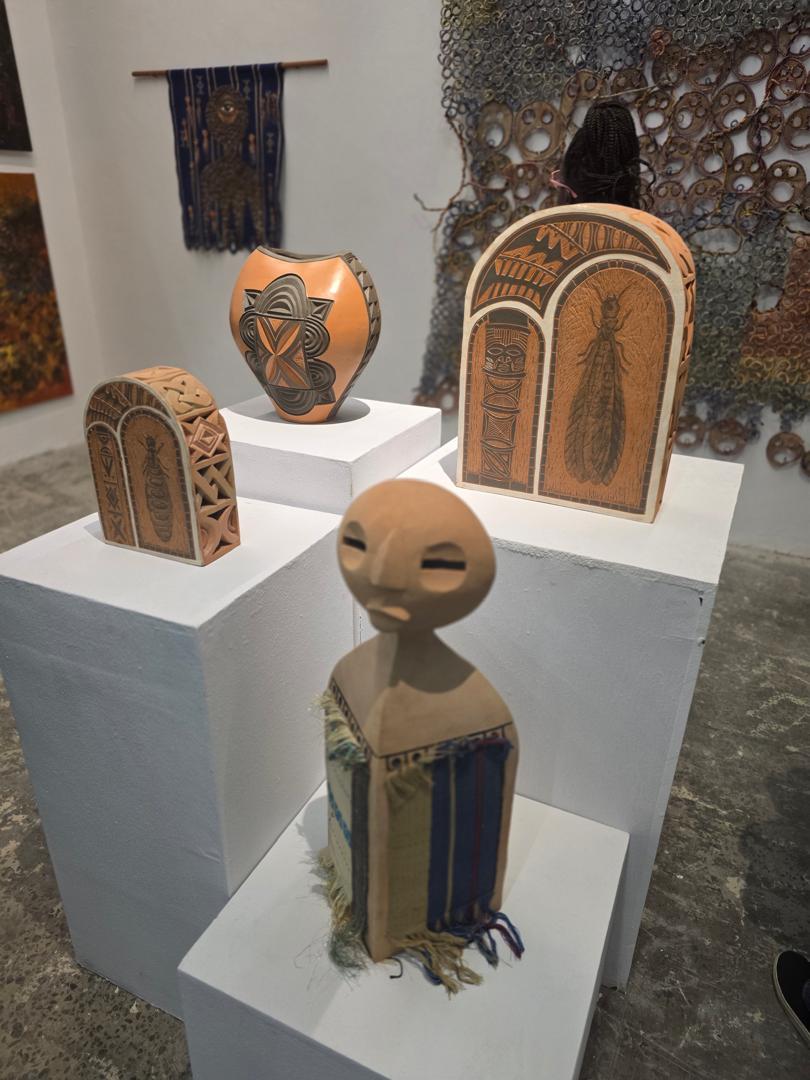
West African textiles, Kente cloth, adinkra symbols, Ndebele murals, and Kuba geometric patterns were operating in the realm of pure form, symbol, and visual abstraction centuries before the New York School was born. African culture art was never merely decorative. It encoded meaning into shape, pattern, and colour. It spoke without depicting. That is the very definition of abstraction.
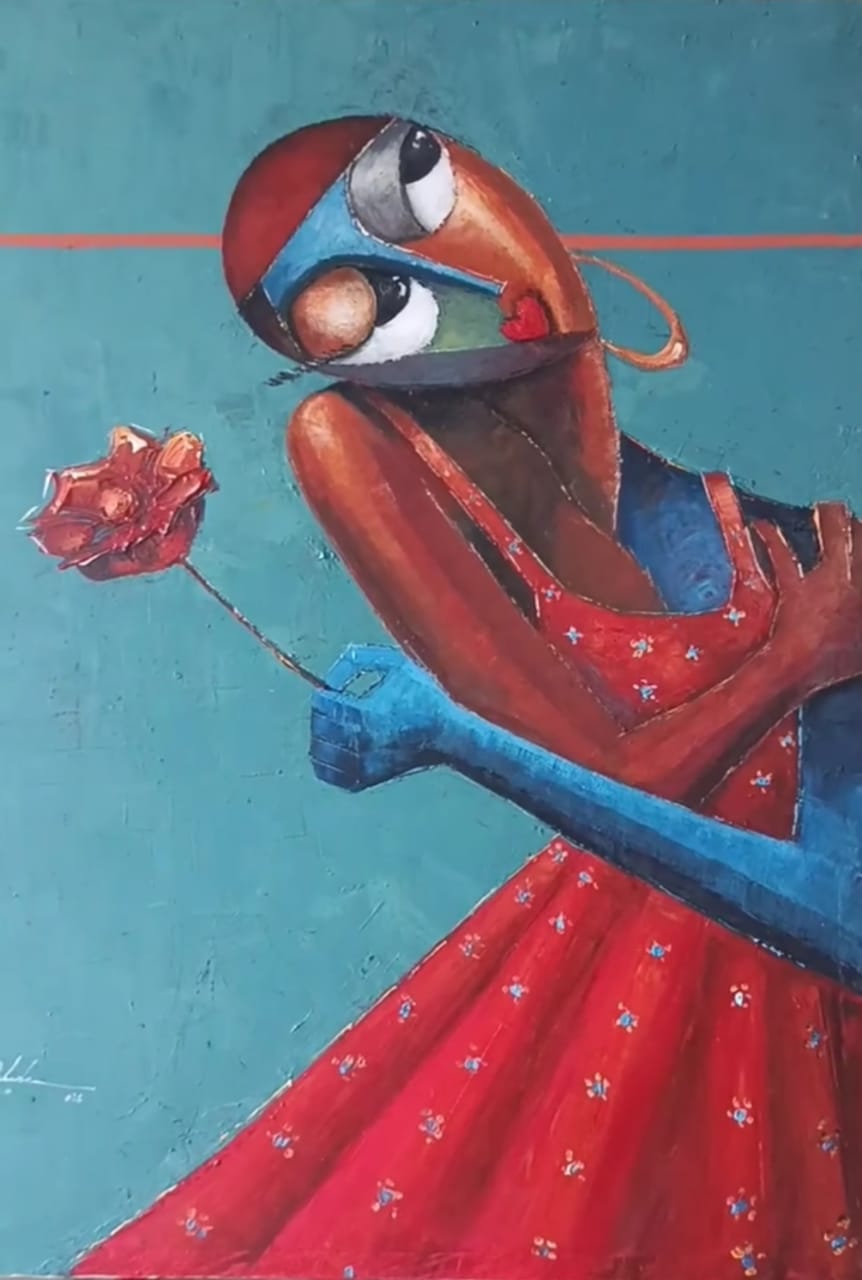
Contemporary African art has brought this heritage into brilliant and urgent conversation with the wider global tradition. African abstract artists like El Anatsui, whose monumental wall works are woven from discarded bottle caps and wire into shimmering, continent-sized tapestries, show that abstraction can carry the weight of history, identity, and transformation simultaneously. His work does not just fit within the abstract tradition. It expands it.
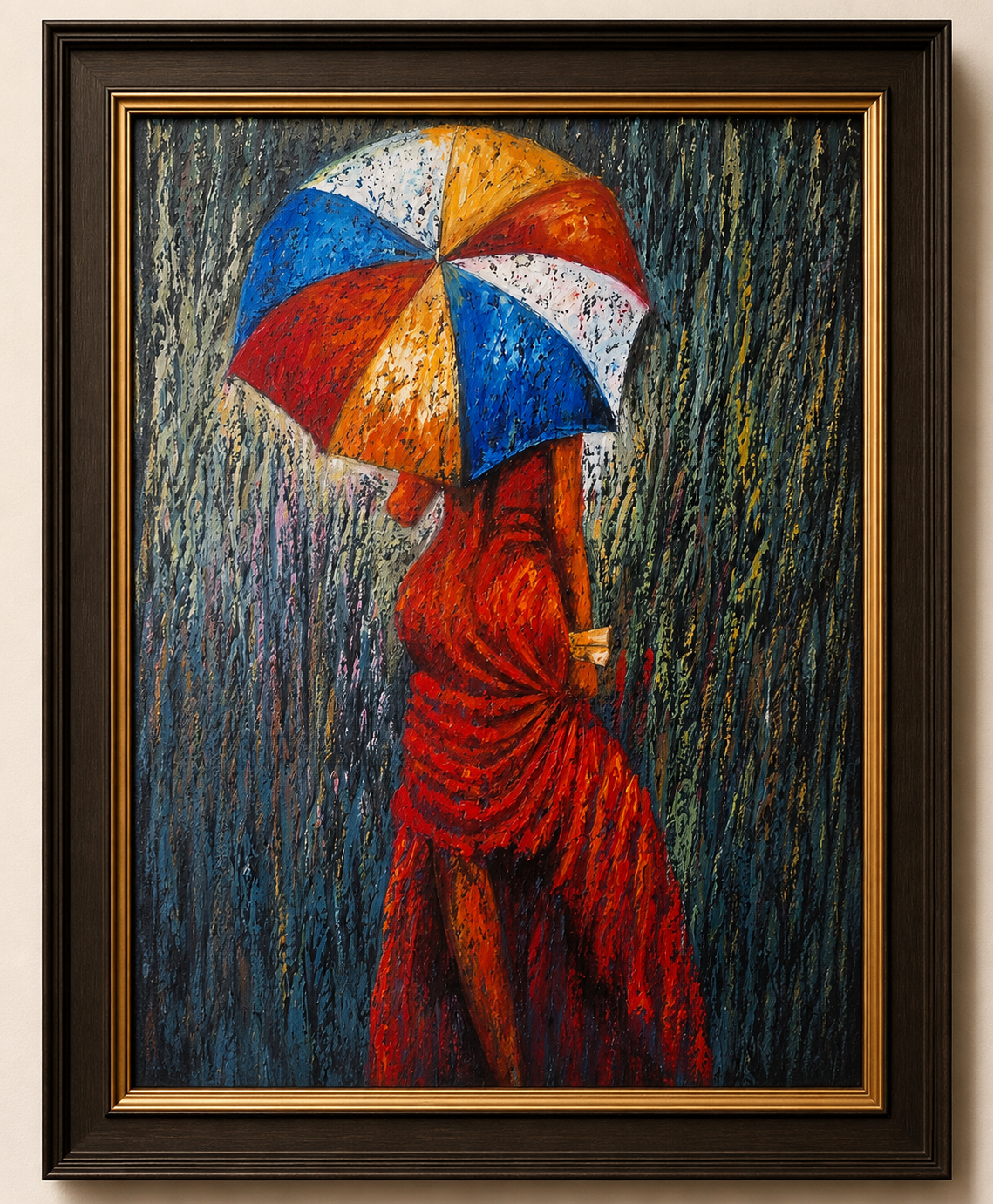
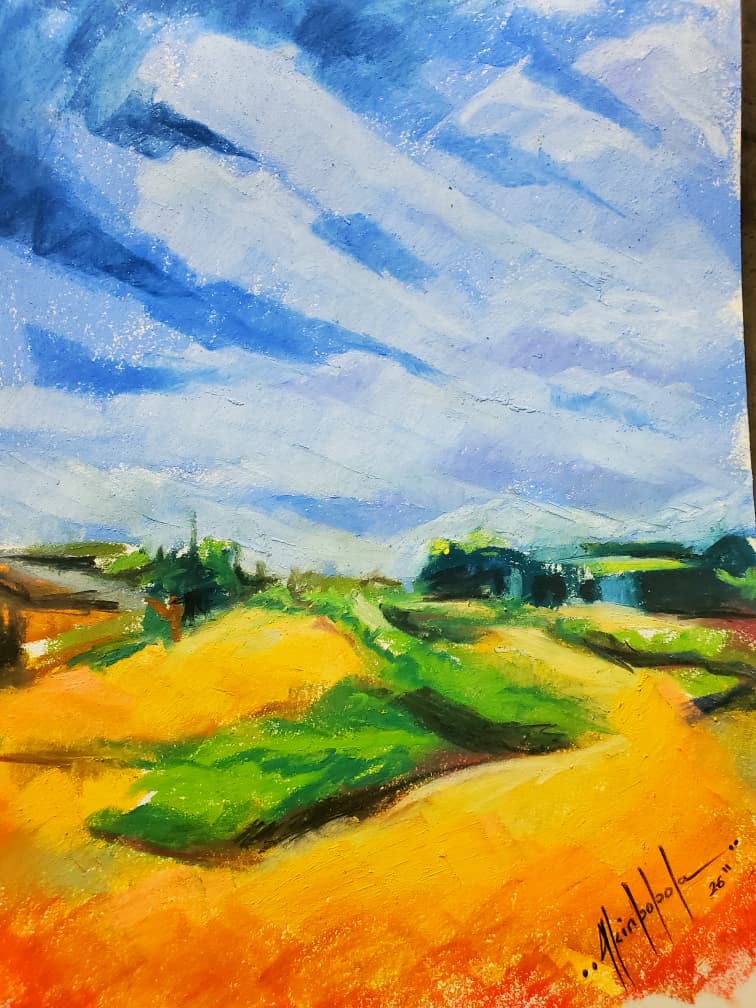
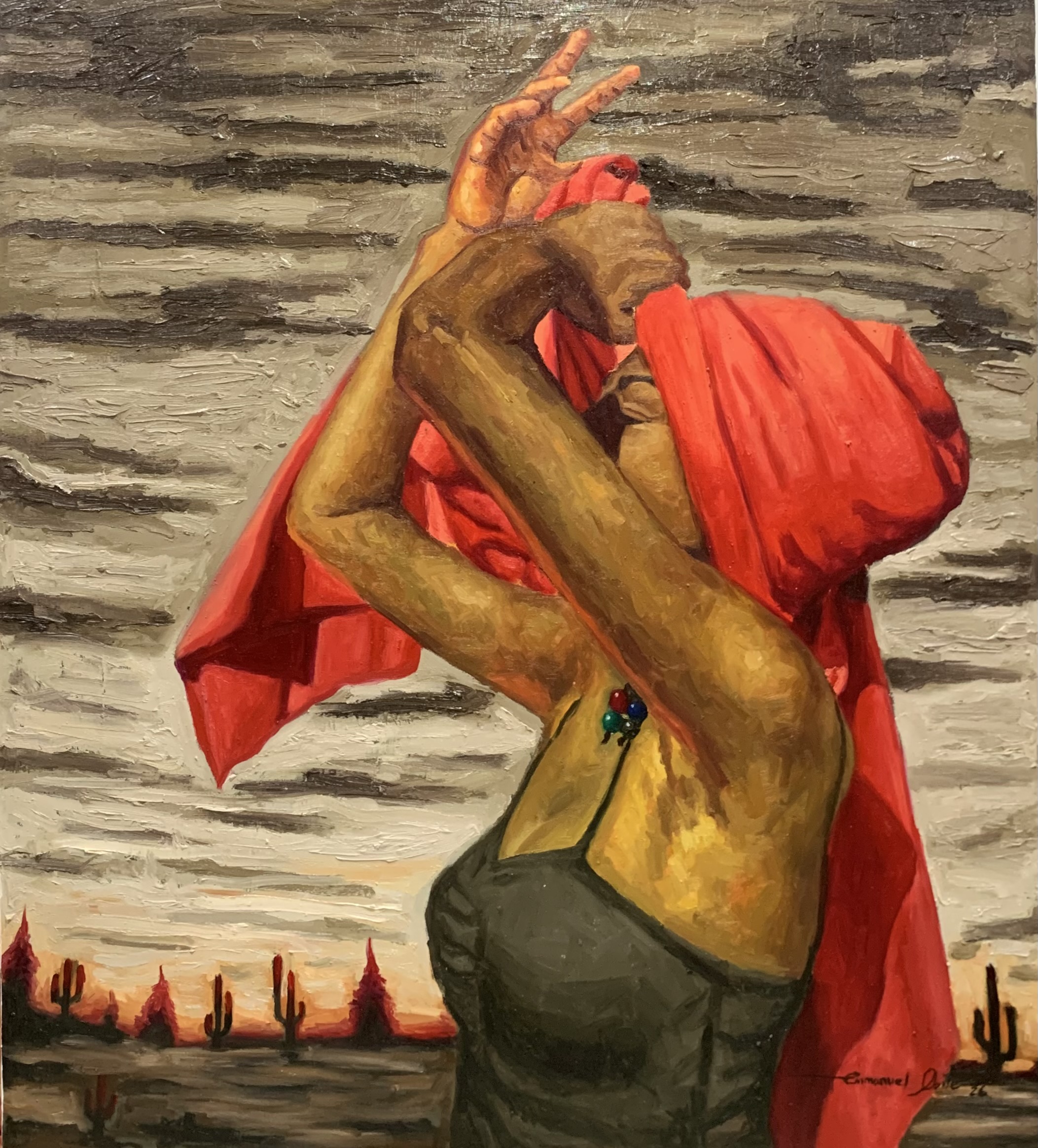
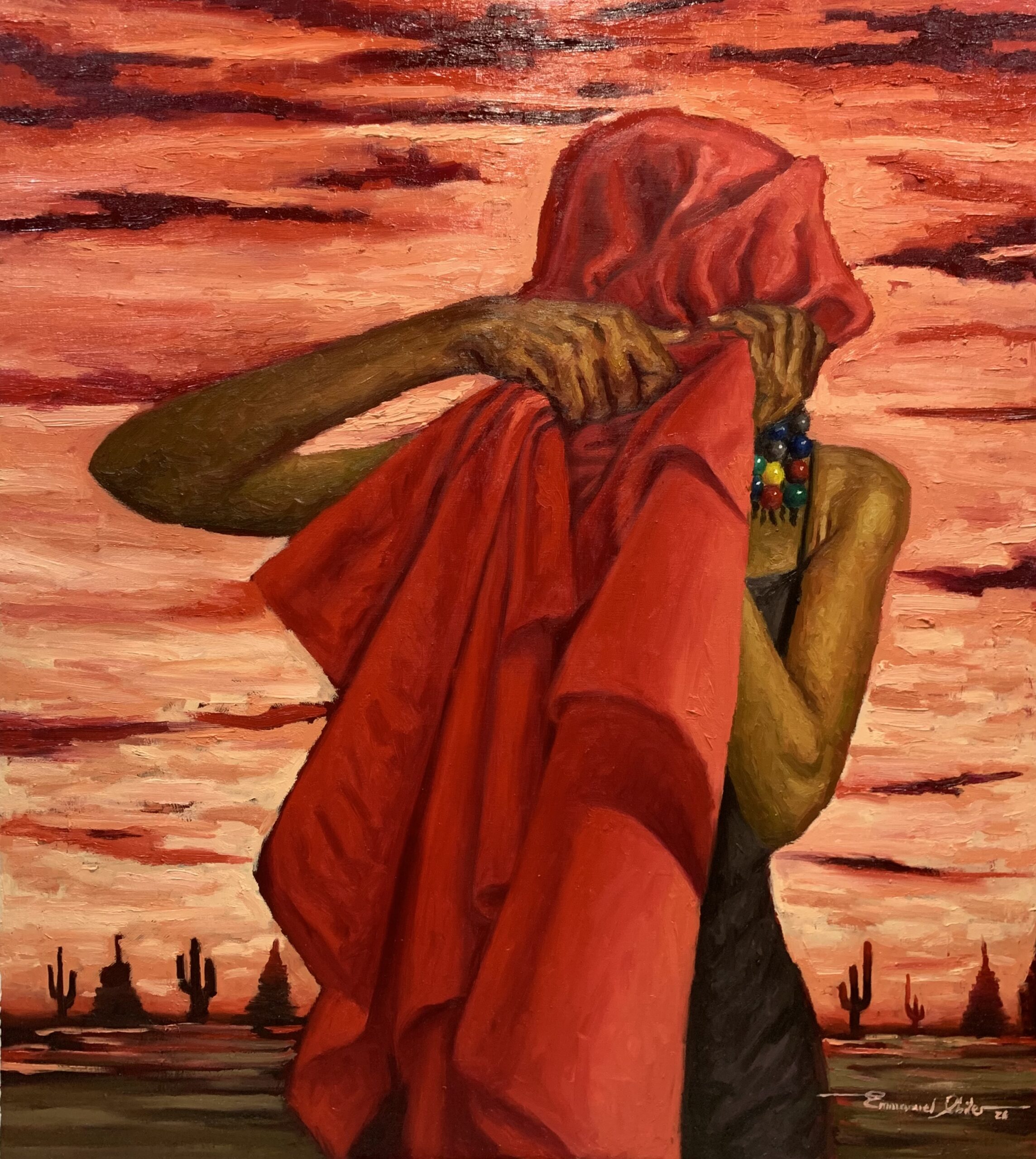
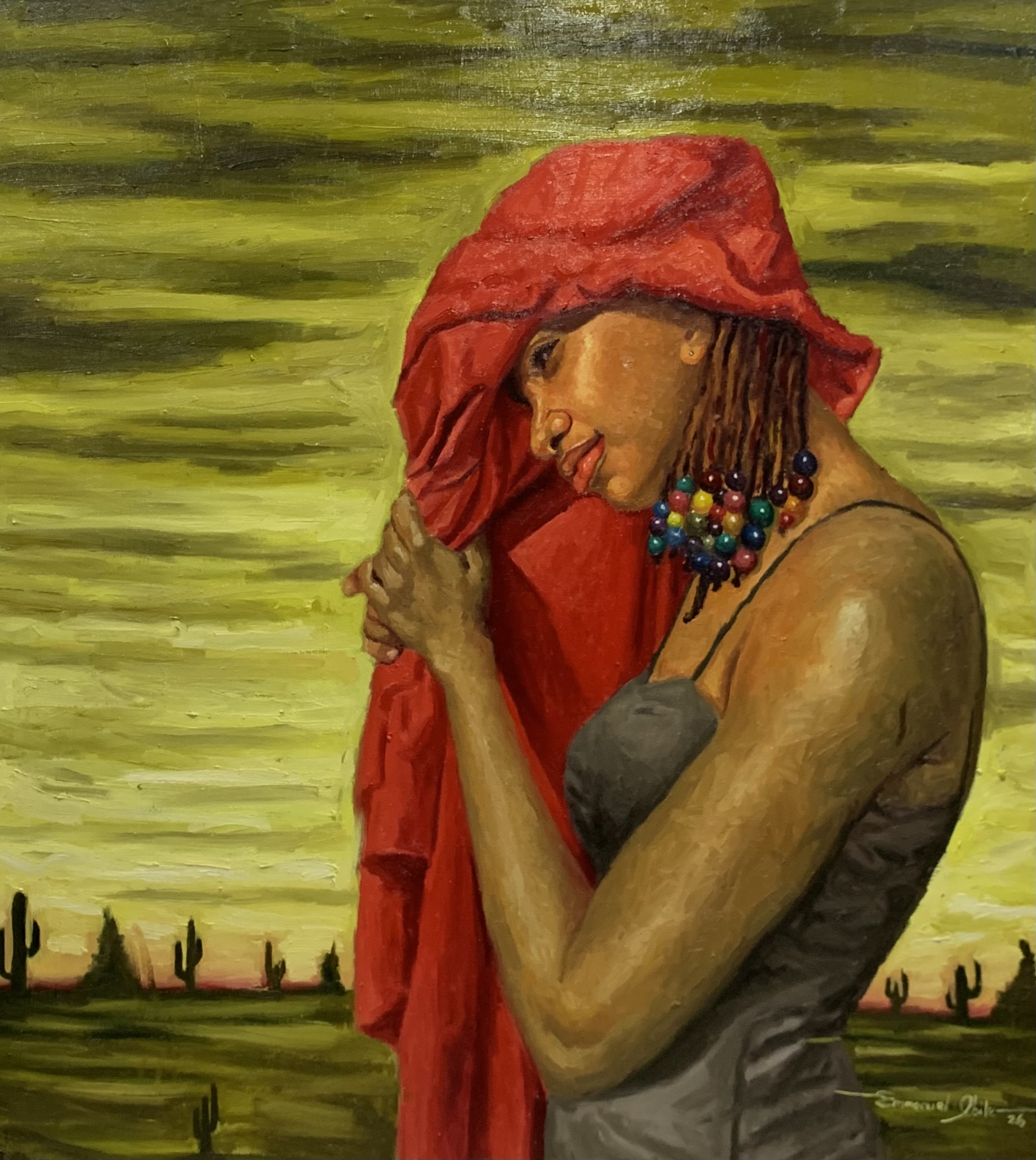
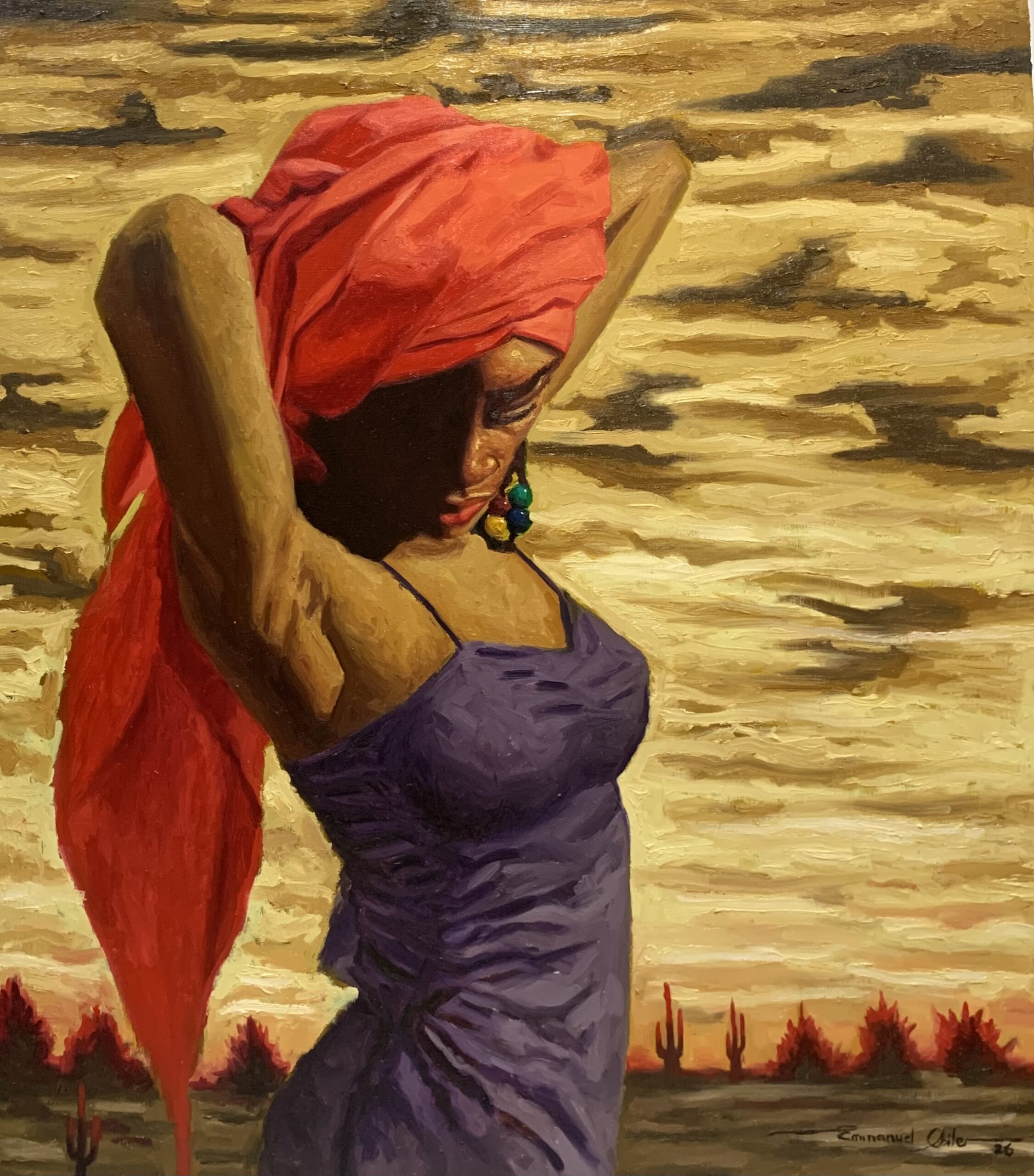
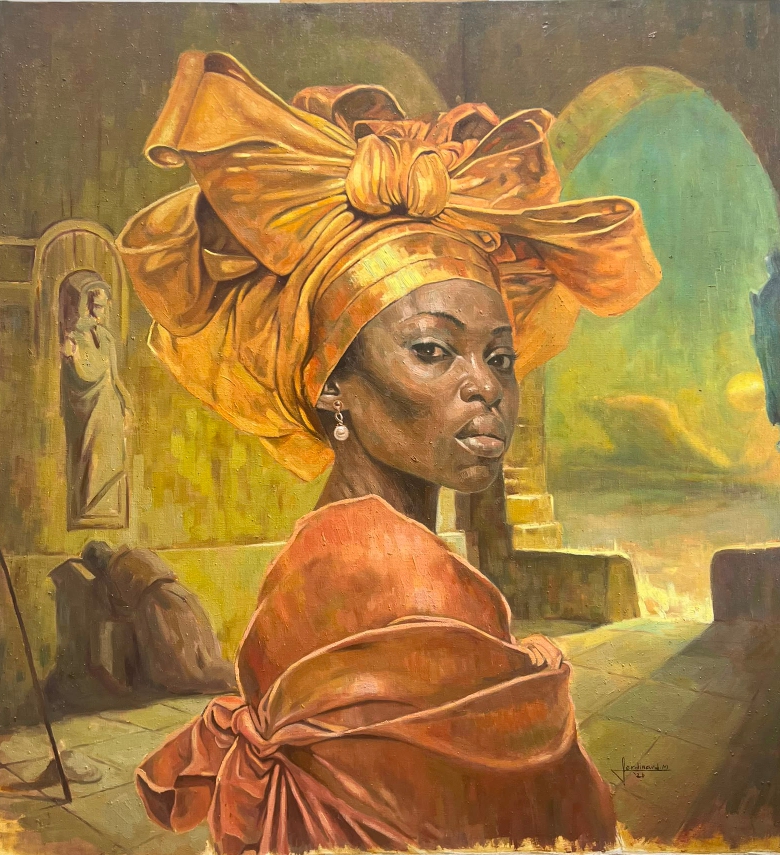
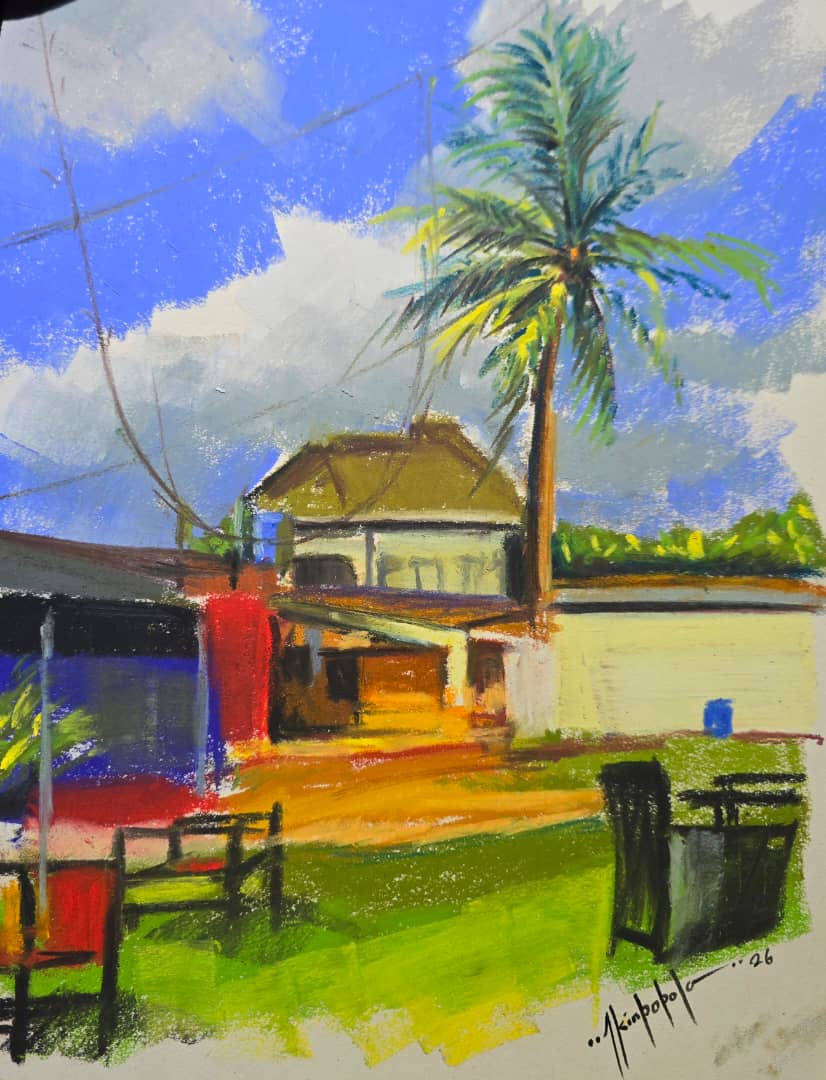
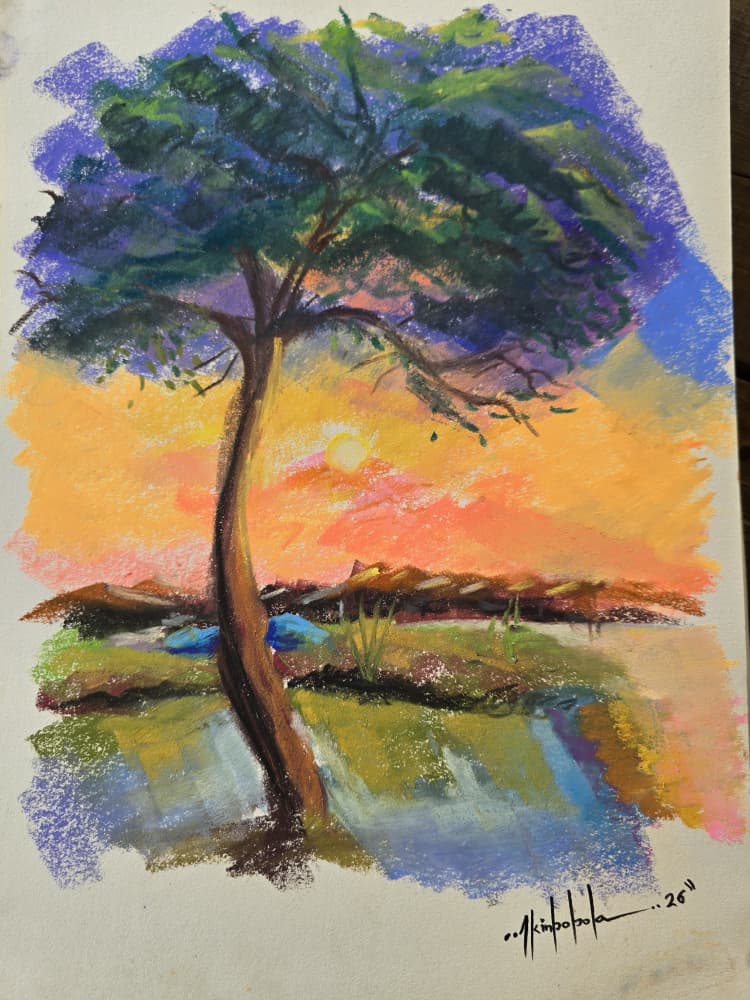
Modern African art is also producing a new generation of abstract expressionists working across Lagos, Nairobi, Accra, Johannesburg, and the diaspora. These are artists whose work carries specifically African textures, rhythms, and truths into a global conversation. African expressionist artists today are not responding to a Western tradition. They are reclaiming a language that was always theirs.
The African art movements emerging right now, from bold gestural painting to conceptual abstraction rooted in cultural symbolism, represent one of the most exciting frontiers in contemporary art globally. African visual arts have never been more dynamic, more internationally visible, or more deserving of serious attention.
How to Look at an Abstract Painting
The most important thing you can do in front of abstract art is slow down. Most people spend less than thirty seconds in front of any painting in a gallery. Thirty seconds is barely enough to register what colour the wall is.
Stand close first. Then step back. Notice how the work changes with distance. Pay attention to what you feel in your body, not just what you think in your head. Heaviness? Lightness? Tension? Calm? That is the painting working on you. Let it.
Do not ask “What does it mean?” at least not right away. Abstract painting is not a puzzle with a single correct answer. It is an invitation. The better question is: “What does this do to me?” That is where the real conversation begins.
Collect Original African Abstract Art
At Art Africa, we believe that collecting art is one of the most powerful acts a person can make. It is a commitment to beauty, to culture, and to the idea that the things we surround ourselves with say something true about who we are.
Our contemporary African art collection brings together original African artworks from across the continent and the diaspora, from bold African abstract paintings and African oil paintings on canvas to sculptures, prints, and works on paper. Every piece is sourced directly from the artists, ensuring authenticity and fair compensation for their work.
Whether you are a seasoned collector or buying your first piece, buying African art online through Art Africa means investing in living culture, art that carries history, identity, and extraordinary creative vision into your space.
Browse our collection of original African abstract art, contemporary African paintings, and modern African artworks at Art Africa.