Removing the Walls: Reflections on Inclusivity at +234 Art Fair 2026
by Queenswill Bestman Mar 9, 2026
There is a particular kind of quiet that settles over a room when art speaks on behalf of people who rarely see themselves reflected in institutional spaces. At the 2026 edition of +234 Art Fair, held in Lagos from March 5 to 8, that quiet was everywhere, in the pause before a viewer leaned closer to a canvas, in the low murmur of a crowd discovering work they hadn’t expected to find. This year’s theme, Inclusivity, was not a curatorial slogan. It was, by every measure, a lived experiment.

Widening the Frame: What Inclusivity Actually Looked Like on the Floor
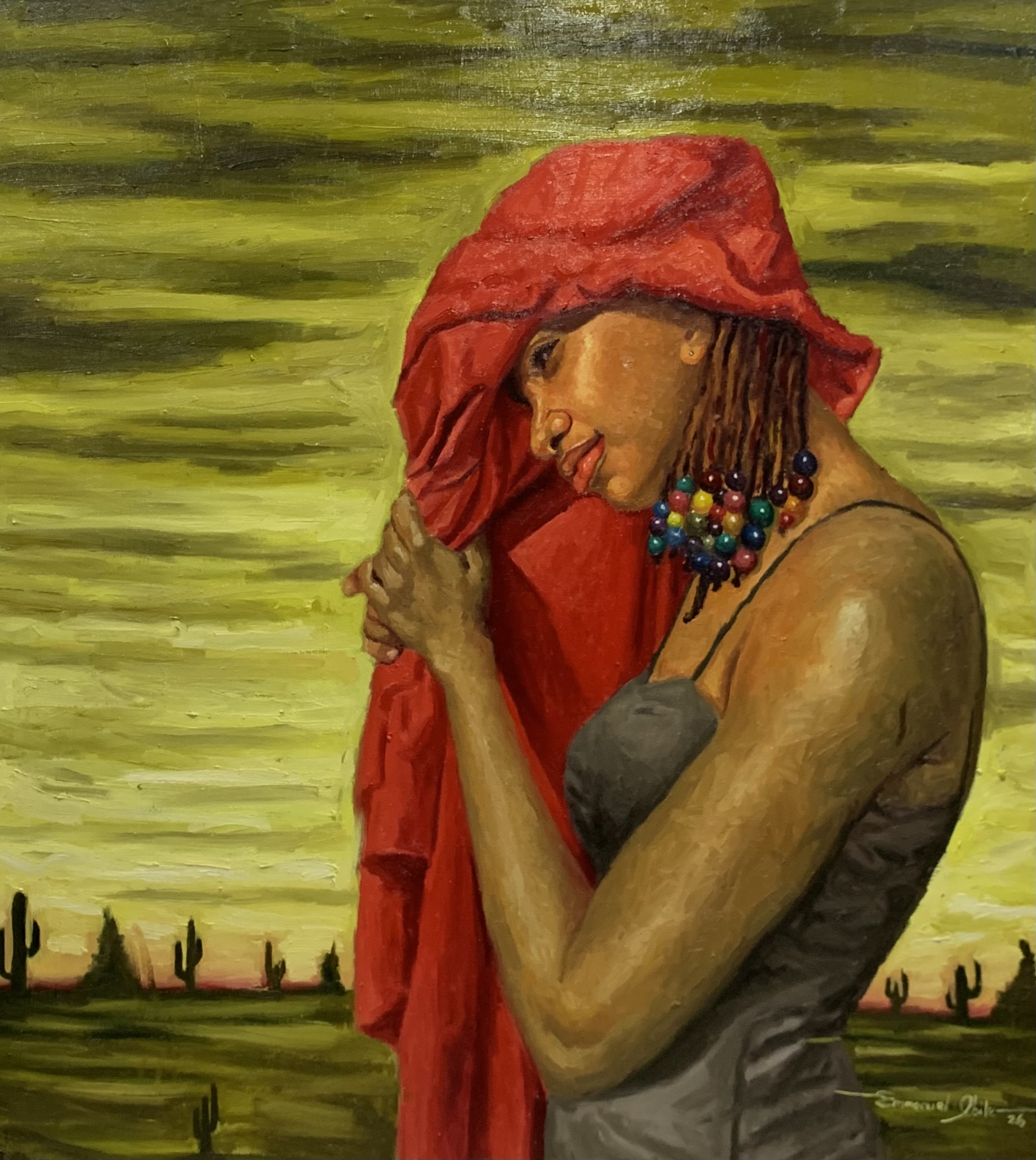
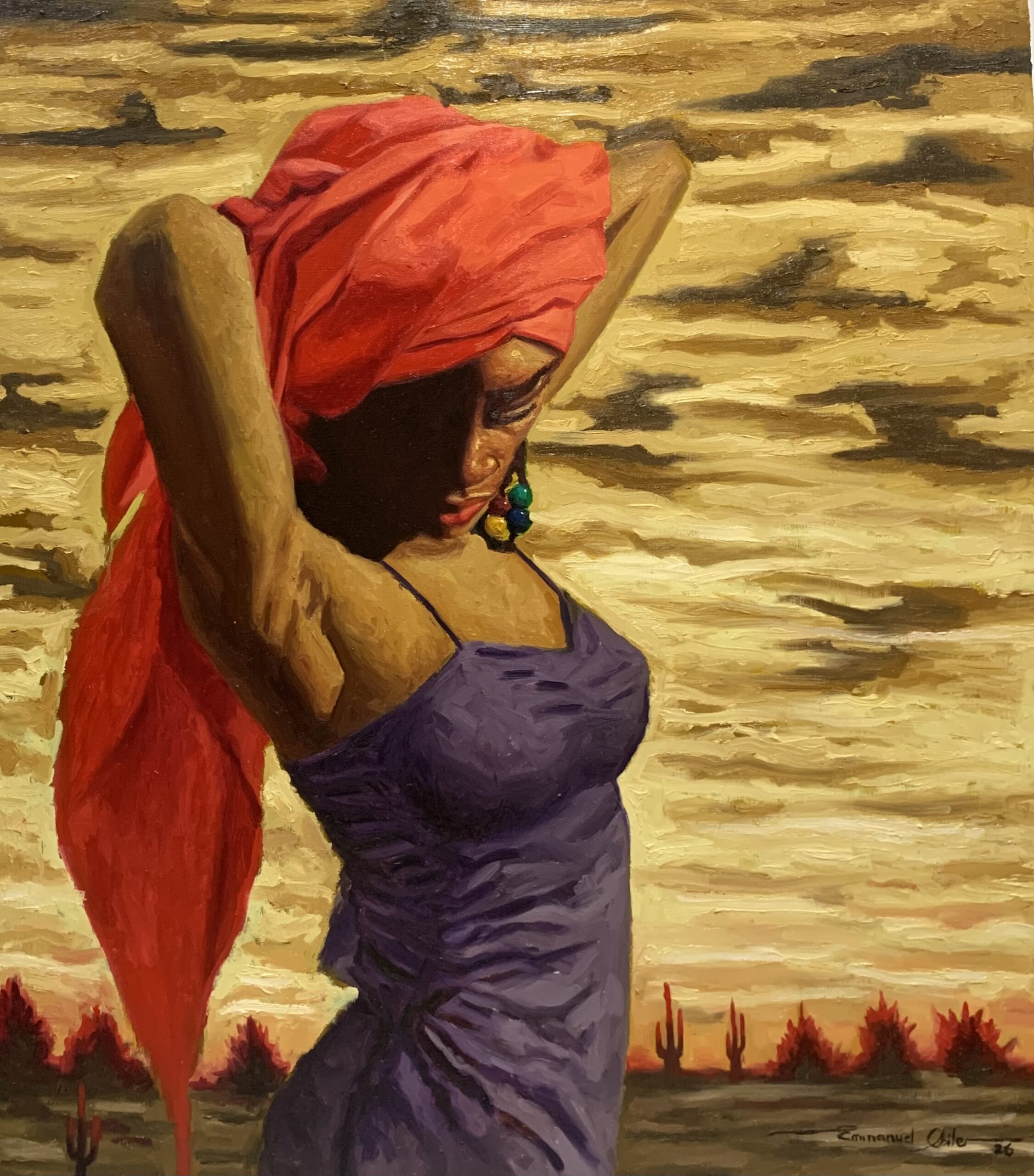
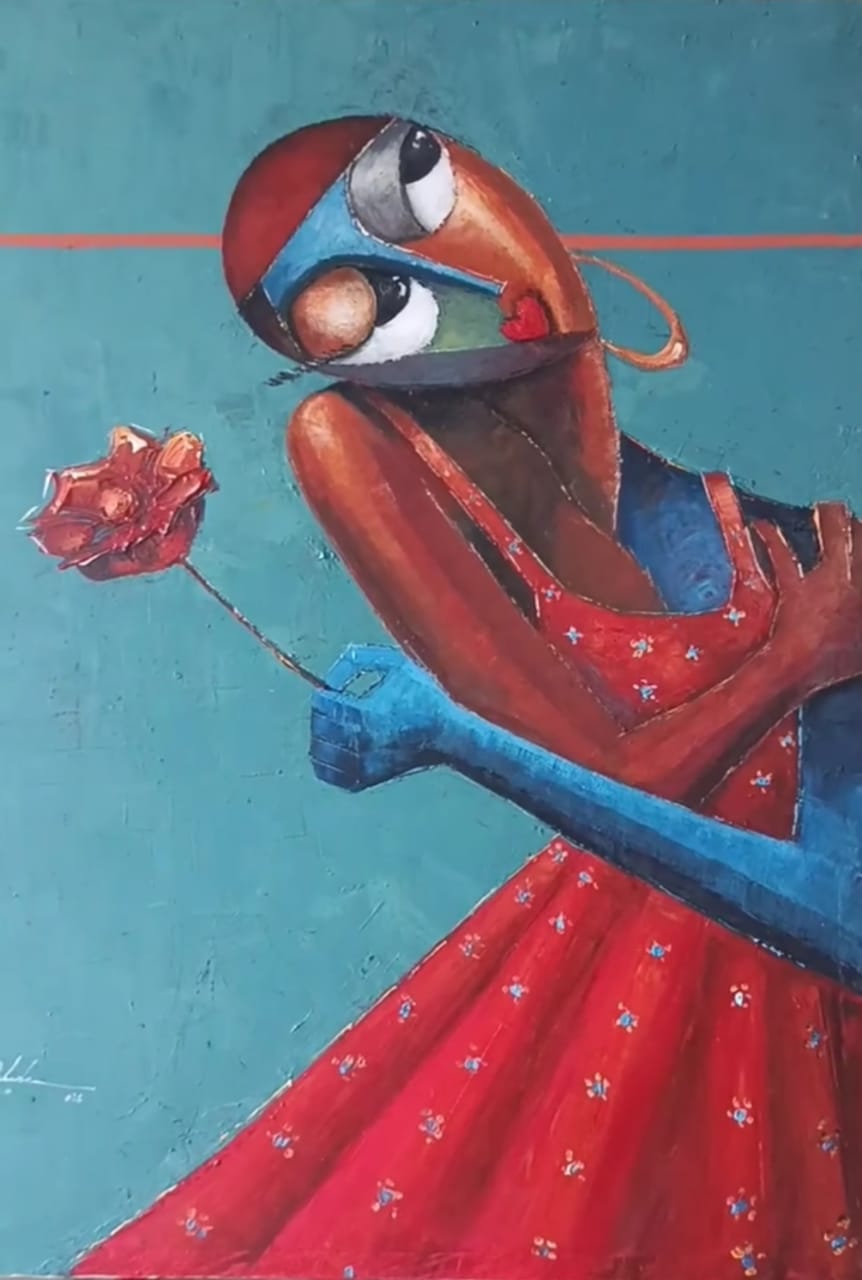
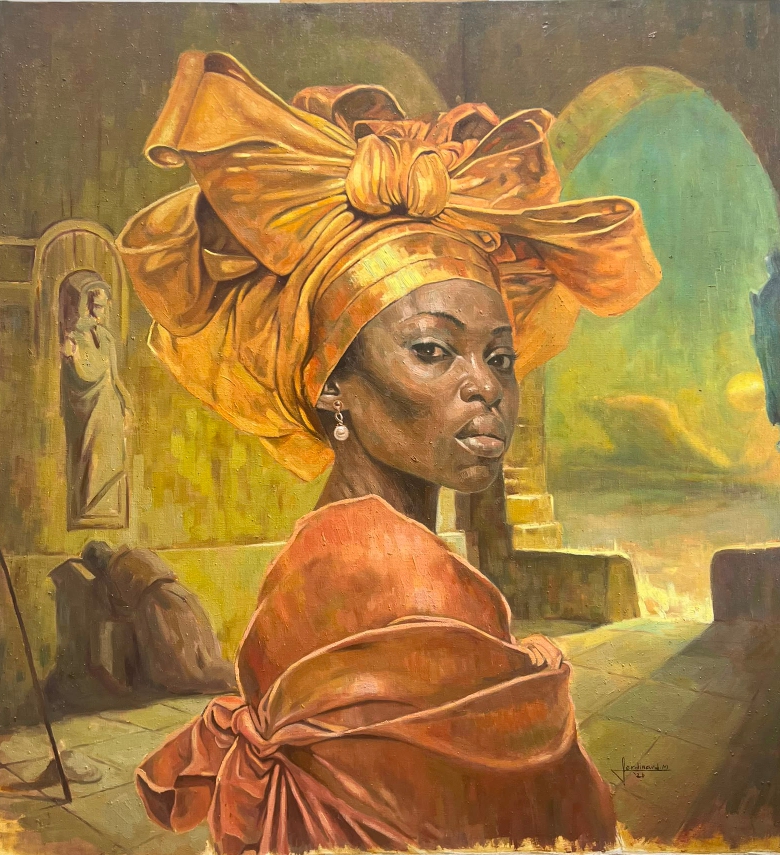
To walk the floor of +234 Art Fair 2026 was to encounter Nigerian creativity at its most expansive. The fair’s organisers had spent months travelling across the country in search of artists working outside the familiar circuits of Lagos and Abuja, artists whose practices had been shaped by regional traditions, unconventional materials, and communities whose visual languages rarely find gallery walls. The result was a breadth that felt genuinely unprecedented for the fair.

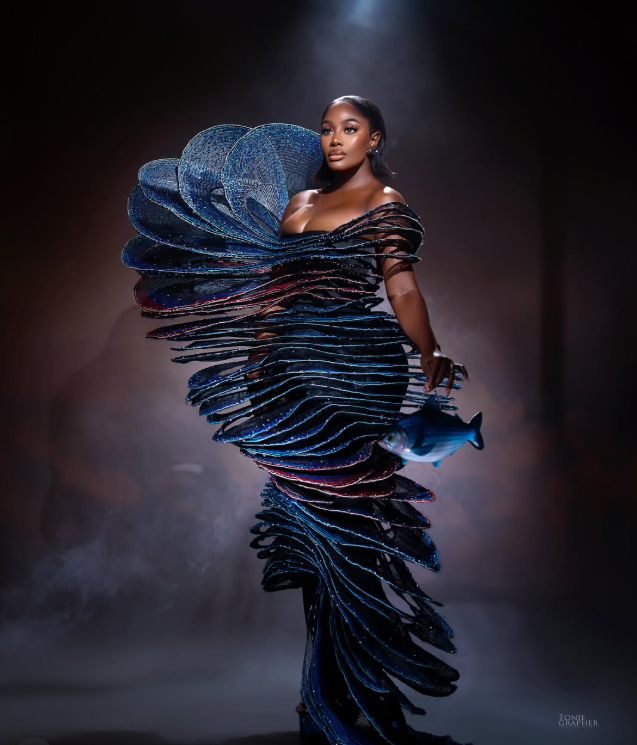
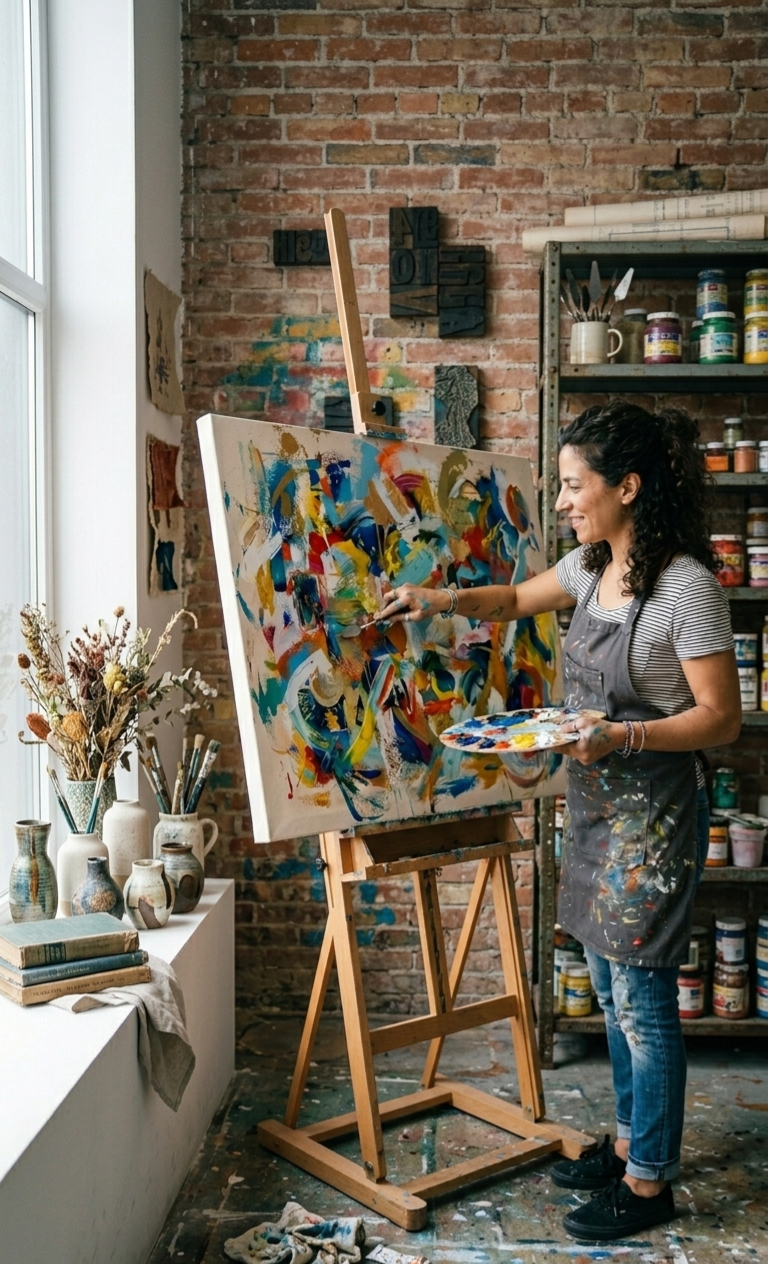
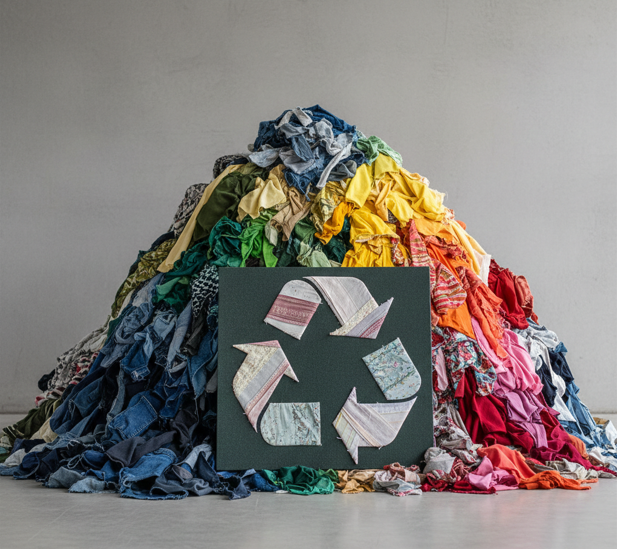
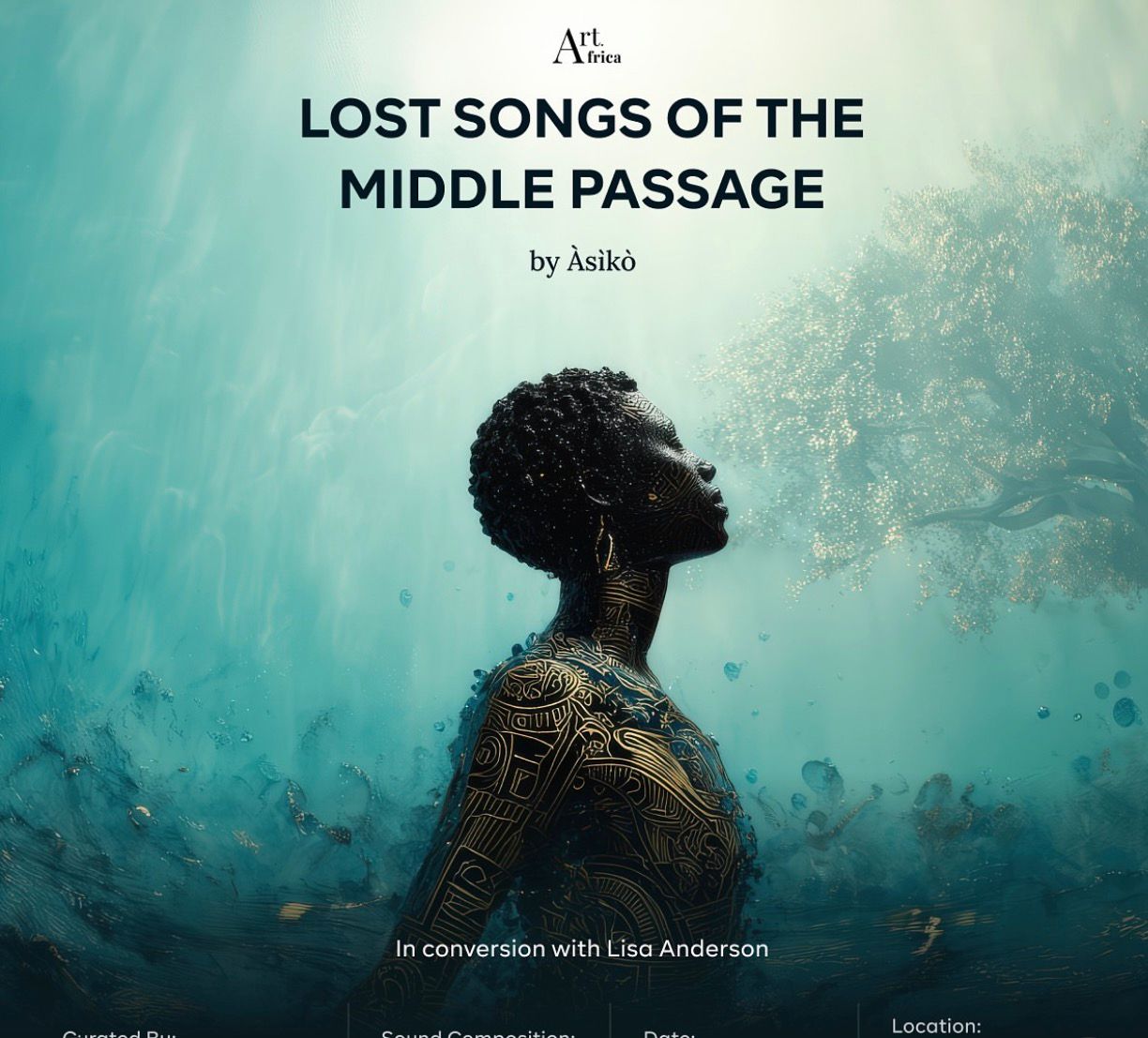
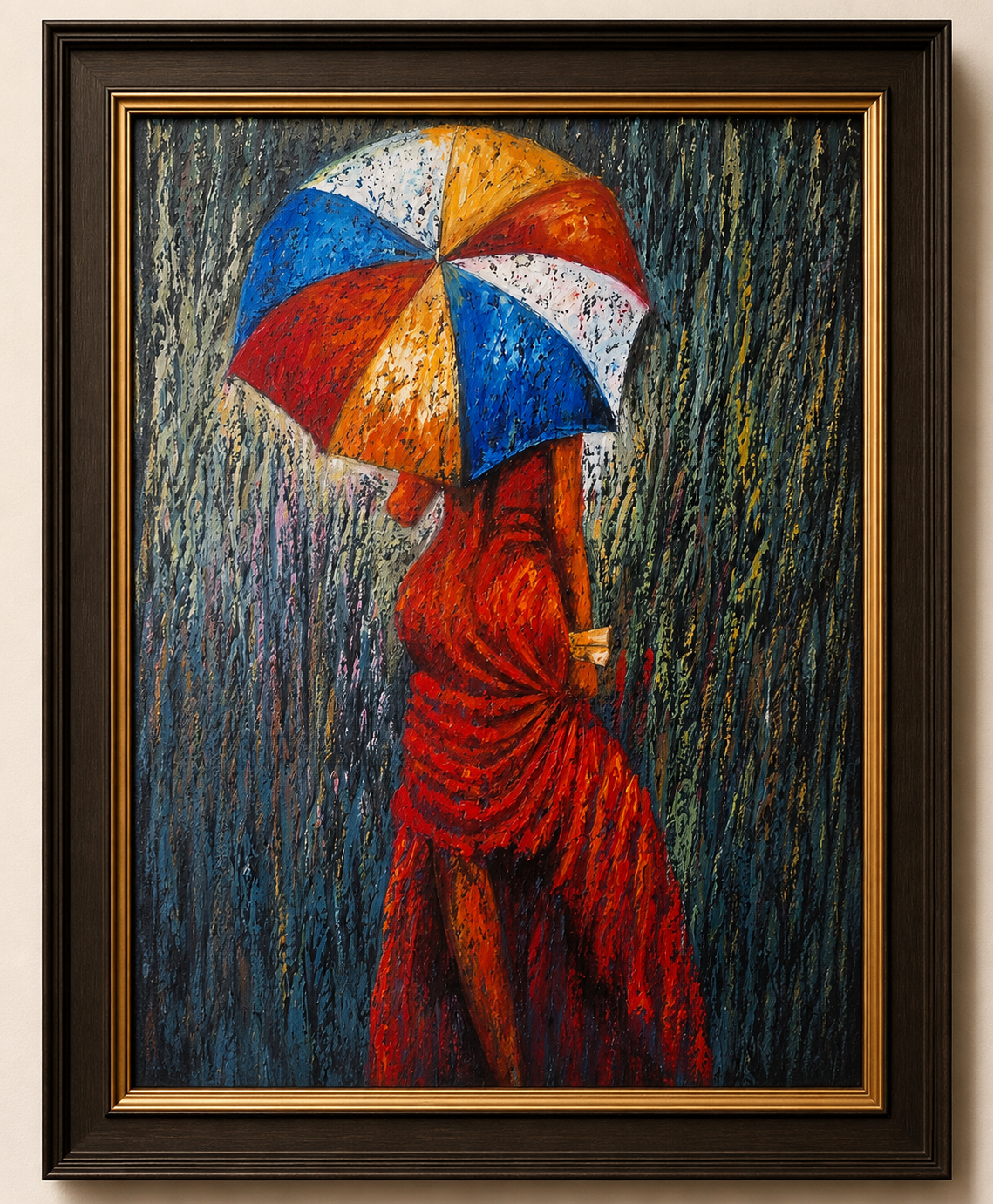
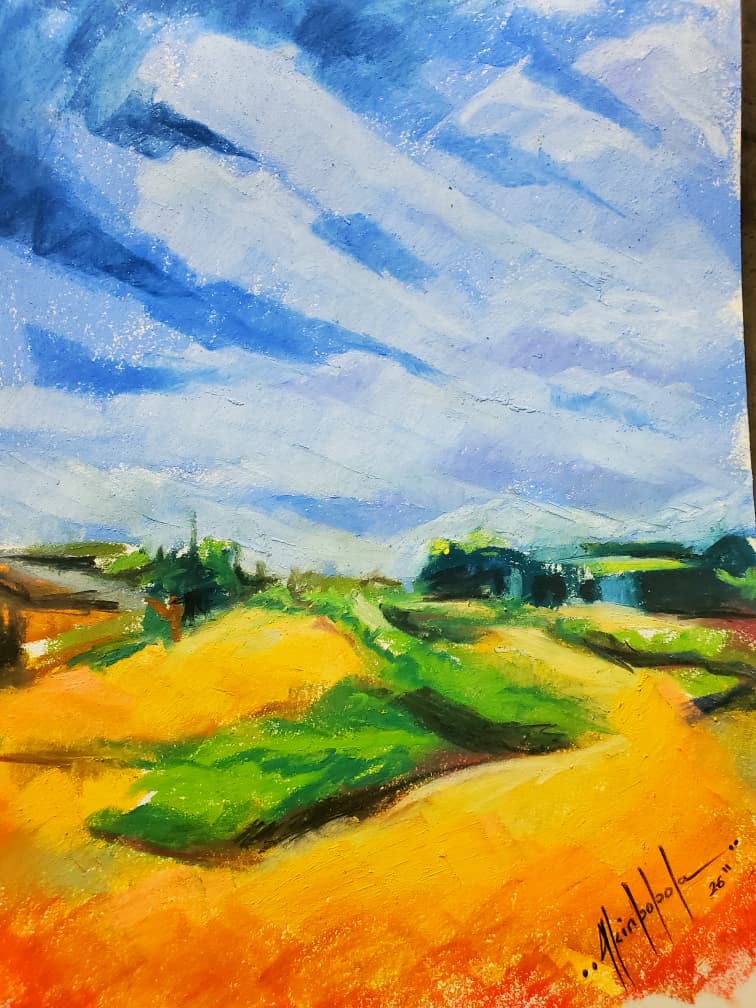
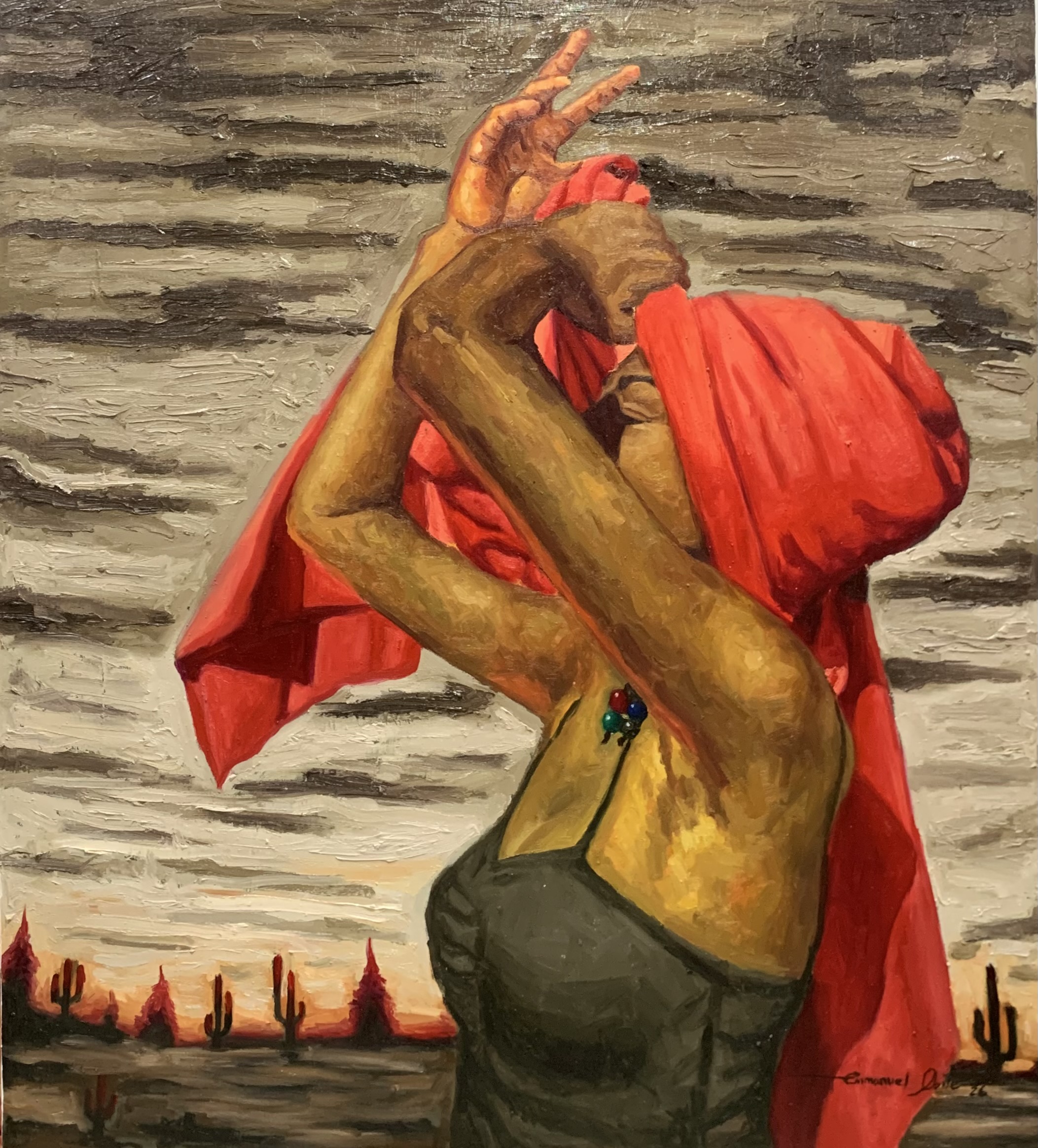
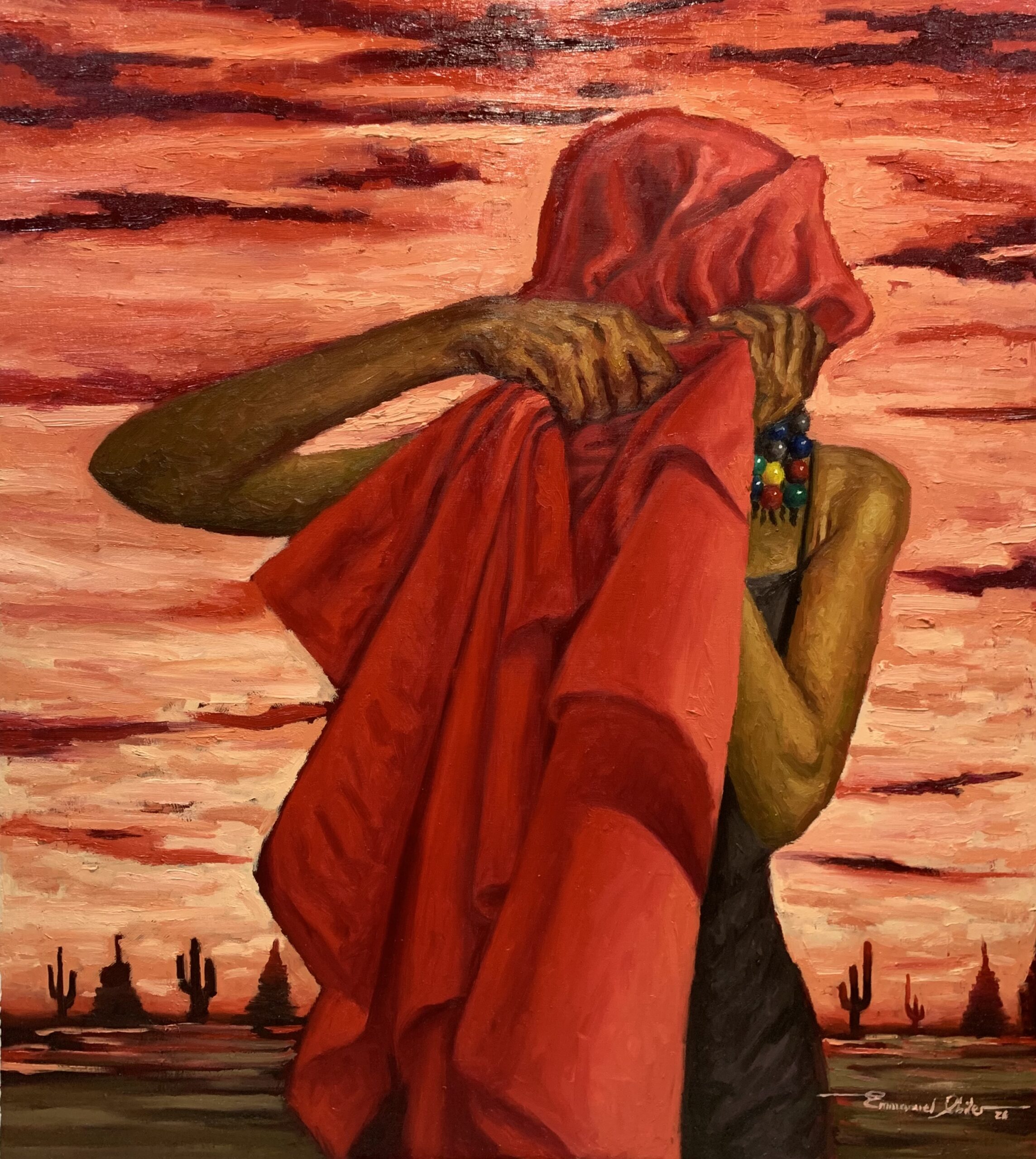
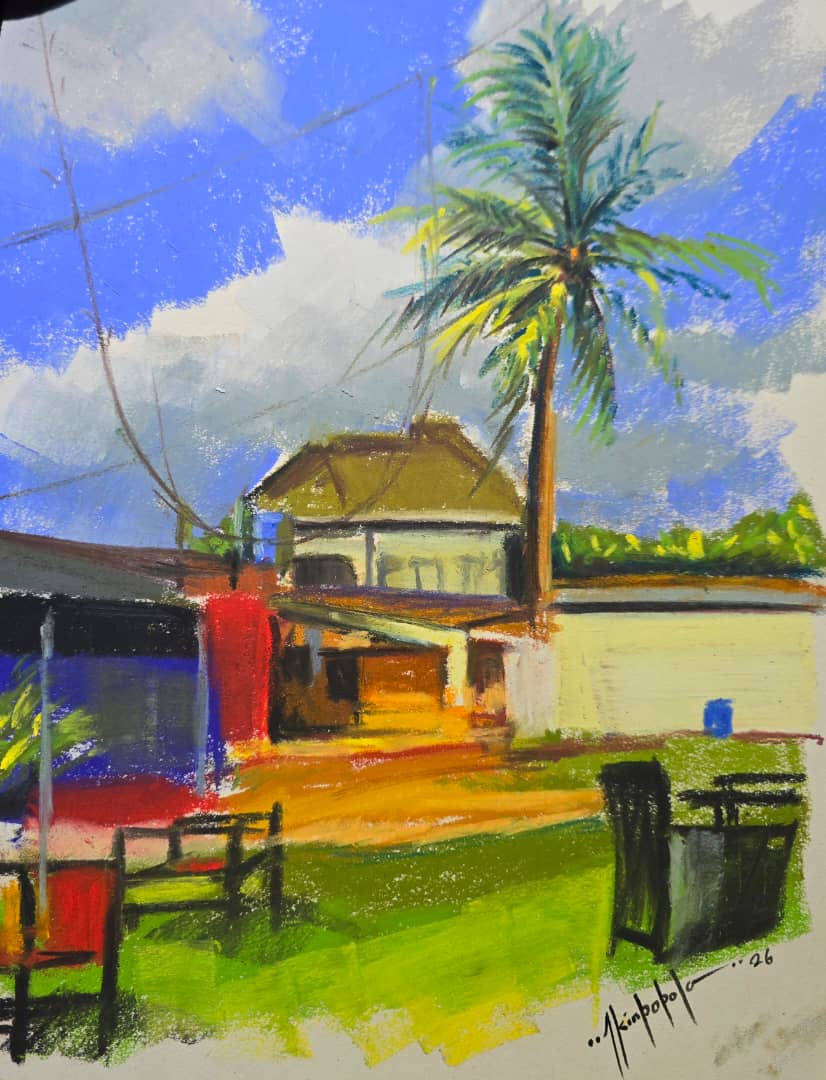
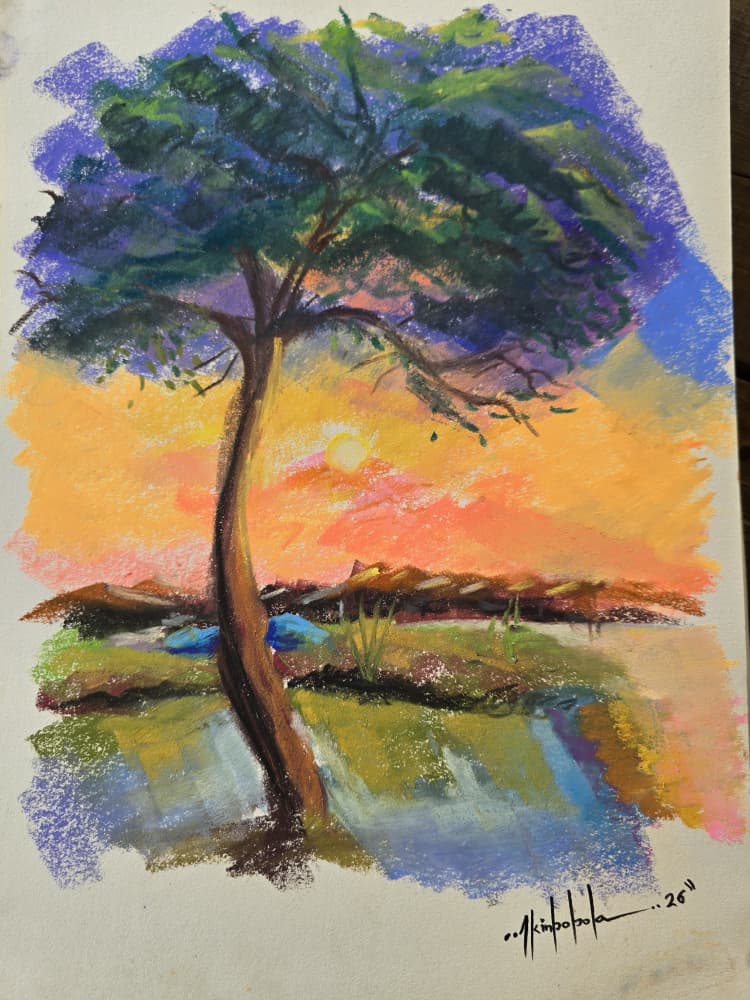
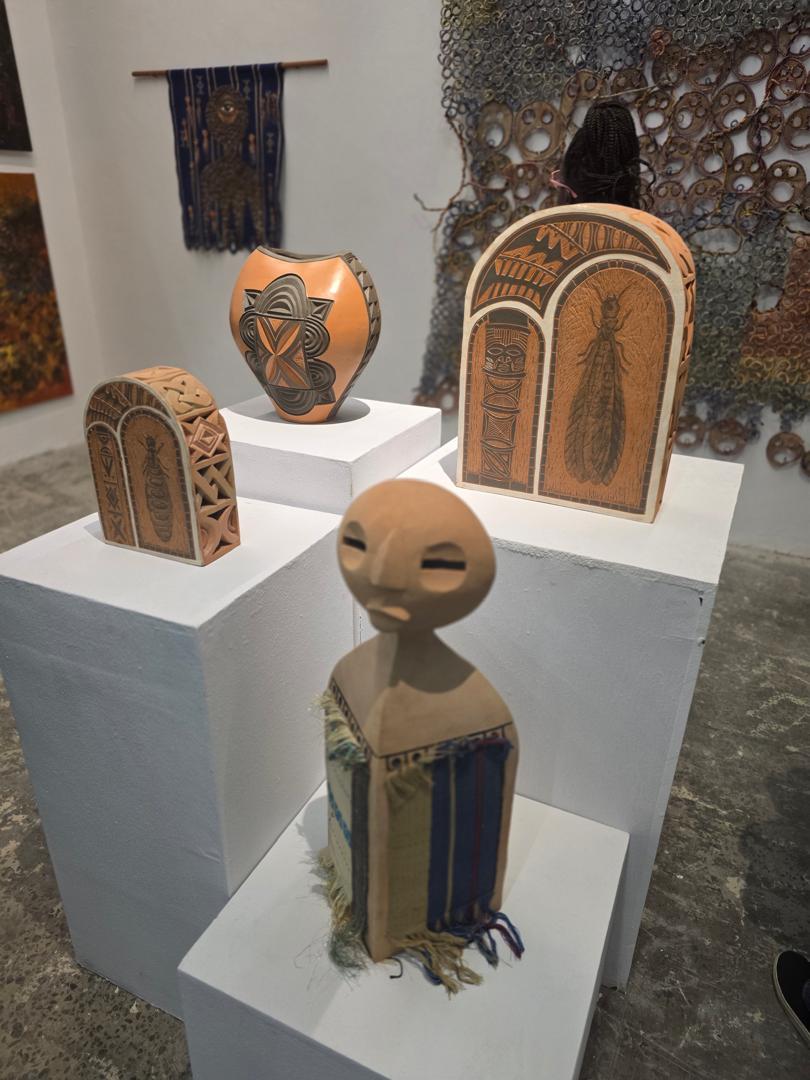
The diversity of mediums on display was striking. Works in textile, ceramics, video installation, digital art, and hand-built sculpture sat alongside painting and photography, each holding its own without apology. There was no hierarchy implied by placement or scale. What the fair communicated, in its arrangement alone, was that Nigerian art is not one thing, and has never been.
The Atmosphere: A Different Kind of Art Fair Energy
What struck many visitors was the crowd itself. +234 Art Fair 2026 drew an audience that felt noticeably younger, more varied, and less self-consciously elite than the typical art fair demographic. Students from universities and art schools moved through the space alongside collectors, cultural journalists, and first-time art fair attendees. The conversations overheard between works were not merely transactional, people were genuinely grappling with what they were seeing.

This shift in atmosphere did not happen by accident. The fair’s partnerships with NGOs, universities, and cultural custodians created deliberate pathways for communities that have historically been observers of the art world, not participants in it. Admission structures, community outreach, and programming designed to demystify collecting and art practice all contributed to a fair that felt genuinely porous, open in ways that matter.
The Artists: Unseen No More
The artists themselves were the fair’s most compelling argument. Many had never exhibited at a commercial art fair before. Some had built their practices in isolation, without mentors, residencies, or institutional support, and the 2026 edition was their first significant point of contact with the broader art ecosystem. For them, the fair was not merely an exhibition opportunity. It was a signal that the ecosystem could accommodate them.

The workshops and masterclasses running alongside the fair reinforced this intention. Sessions addressing sustainable art careers, the role of art therapy in community healing, blockchain and representation in the art market, and the power of women-led networks in contemporary Nigerian art gave the programme a rigour that extended well beyond the exhibition halls. Keynote speaker Kunbi Oni, Senior Collection Specialist at MoMA New York, anchored the conversations with a clear-eyed challenge to the room: visibility without longevity is insufficient. The work of inclusion, she argued, must extend into the unglamorous structures of career support, institutional access, and market literacy.

What +234 Art Fair 2026 Signals for Nigerian Art
Nigerian art is at a complex juncture. Global interest has surged, prices have climbed, and the names of a handful of artists have become internationally recognised. But the appetite for Nigerian art abroad has not automatically translated into a more equitable art sector at home. The concentration of opportunity — in certain cities, certain institutions, certain networks — remains a structural problem that no single fair can resolve.
What +234 Art Fair 2026 demonstrated, however, is that the will to address that problem is growing. The decision to widen the frame, and to do so openly and with institutional commitment, is itself a kind of argument: that inclusivity is not a constraint on excellence, but a condition for it.
When the crowds thinned on the final evening of +234 Art Fair 2026, what remained was not the hum of a marketplace winding down, but something closer to a conversation left deliberately open. The works on the walls, made by artists from across Nigeria, in mediums that defied easy categorisation, were not just objects for sale. They were evidence of a creative ecosystem beginning, slowly and not without difficulty, to include itself.
That, in the end, is what the 2026 edition of +234 Art Fair achieved. Not a solved problem, but a widened frame, and the understanding that the frame was always the problem to begin with.