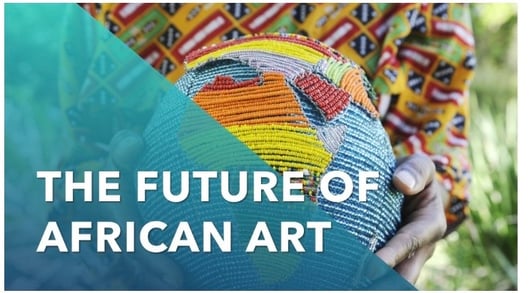
The Future of African Art: What Collectors Need to Know
by Onyekwusi Glory Oluchi Feb 5, 2025
Introduction
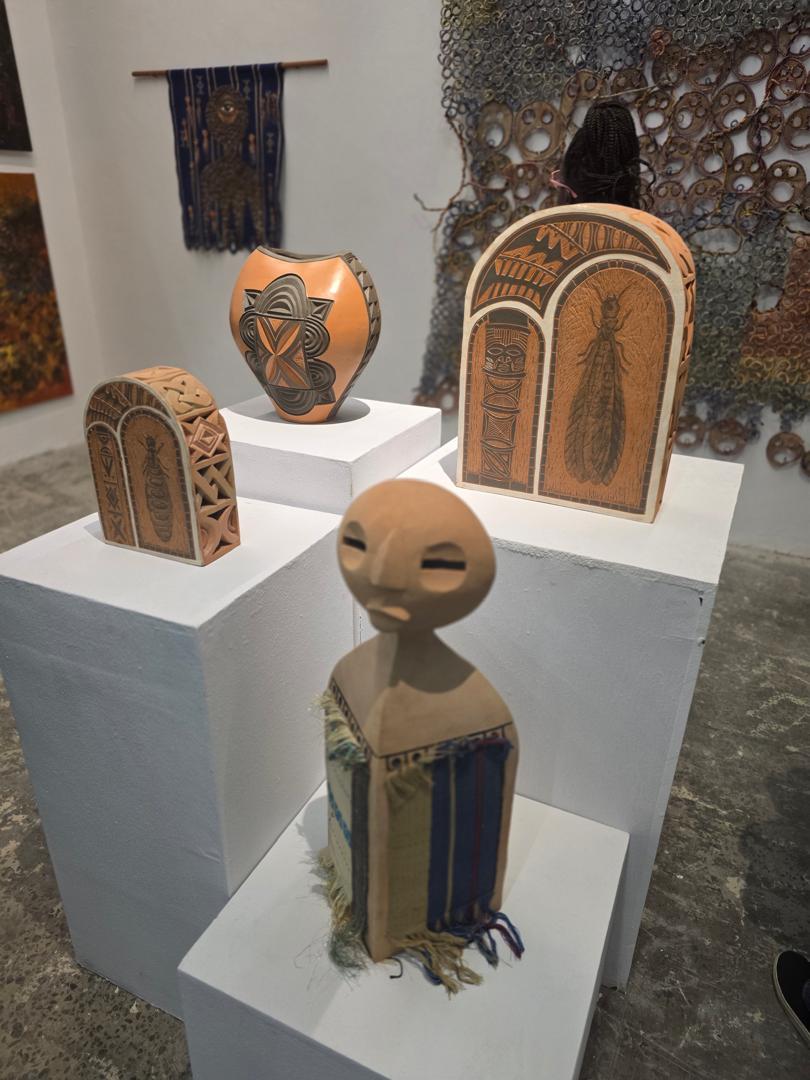
African art is experiencing a renaissance on the global stage. Over the past decade, auction houses, museums, and private collectors have increasingly recognized African artists, leading to soaring demand and record-breaking sales. In 2022, Ghanaian artist Amoako Boafo’s work sold for over $1 million at auction, and Nigerian artist Njideka Akunyili Crosby has seen her works exceed $3 million.

But what does the future hold? Will the African art boom continue, or is it a passing trend? More importantly, what should collectors know to make informed investments?
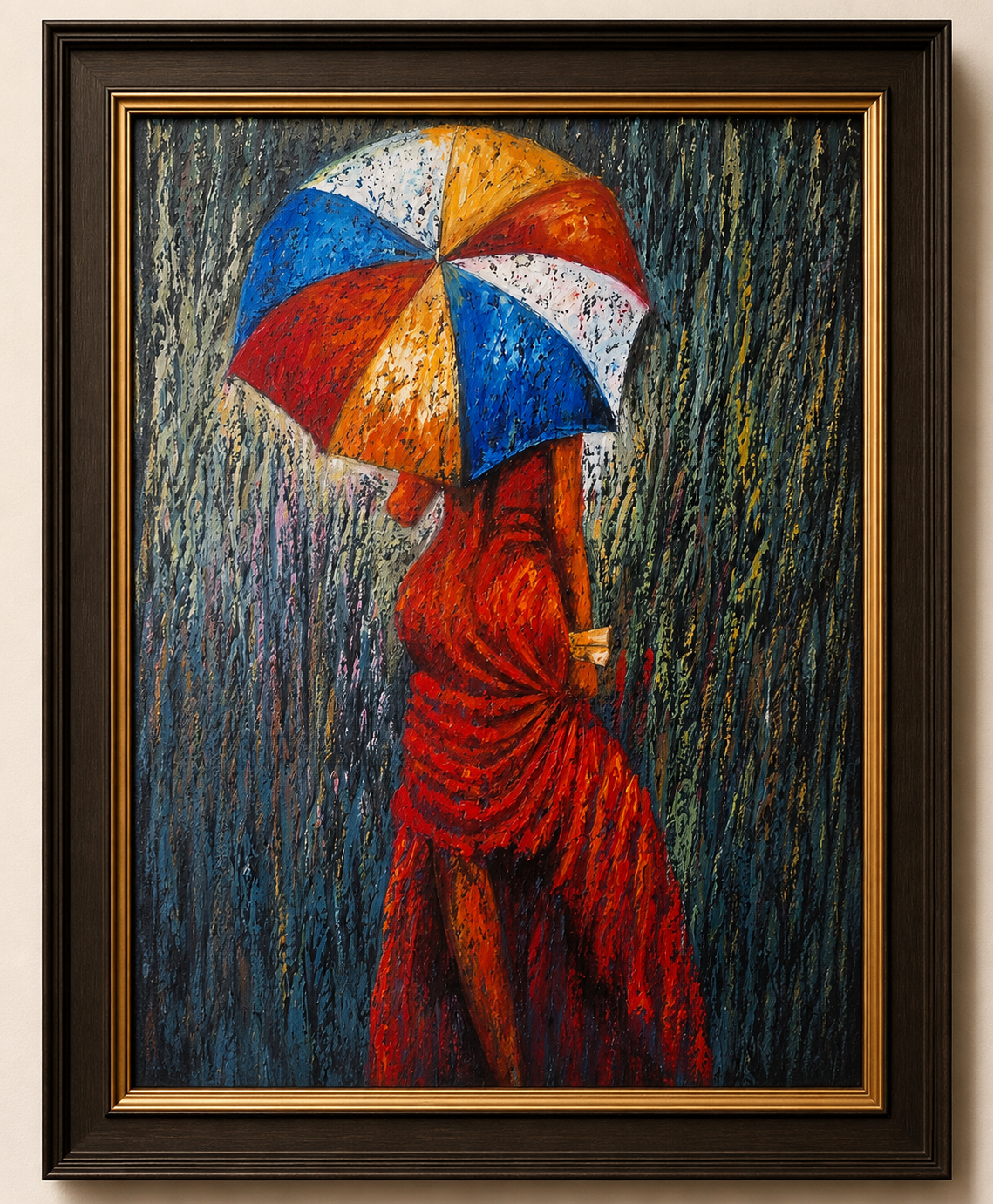
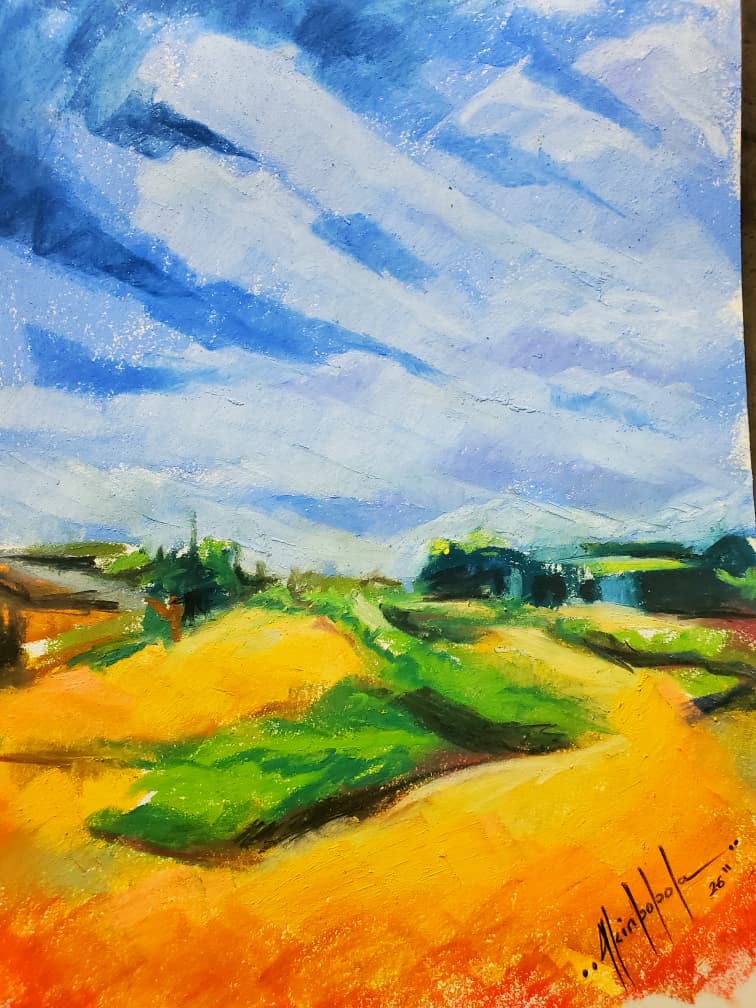
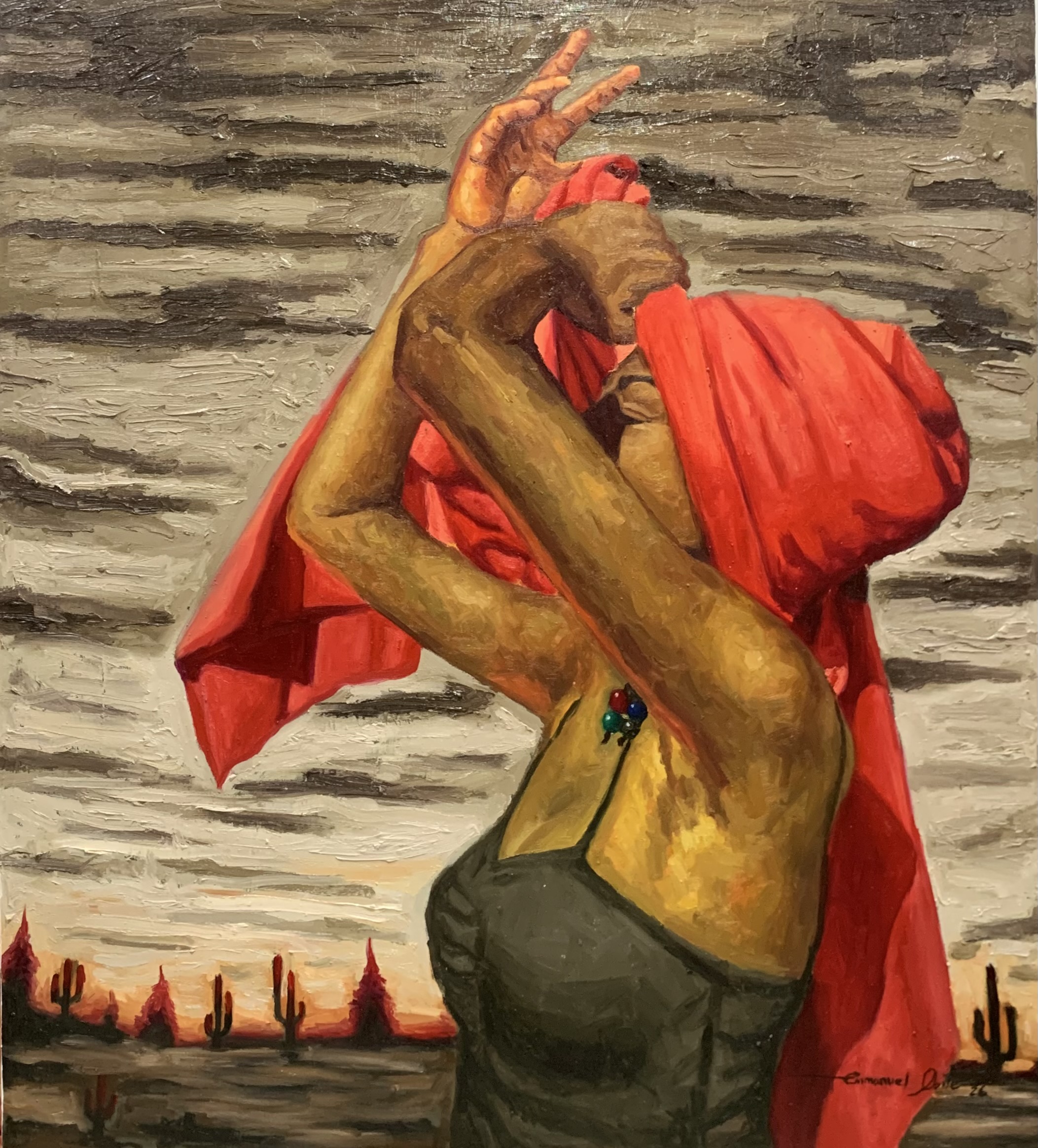
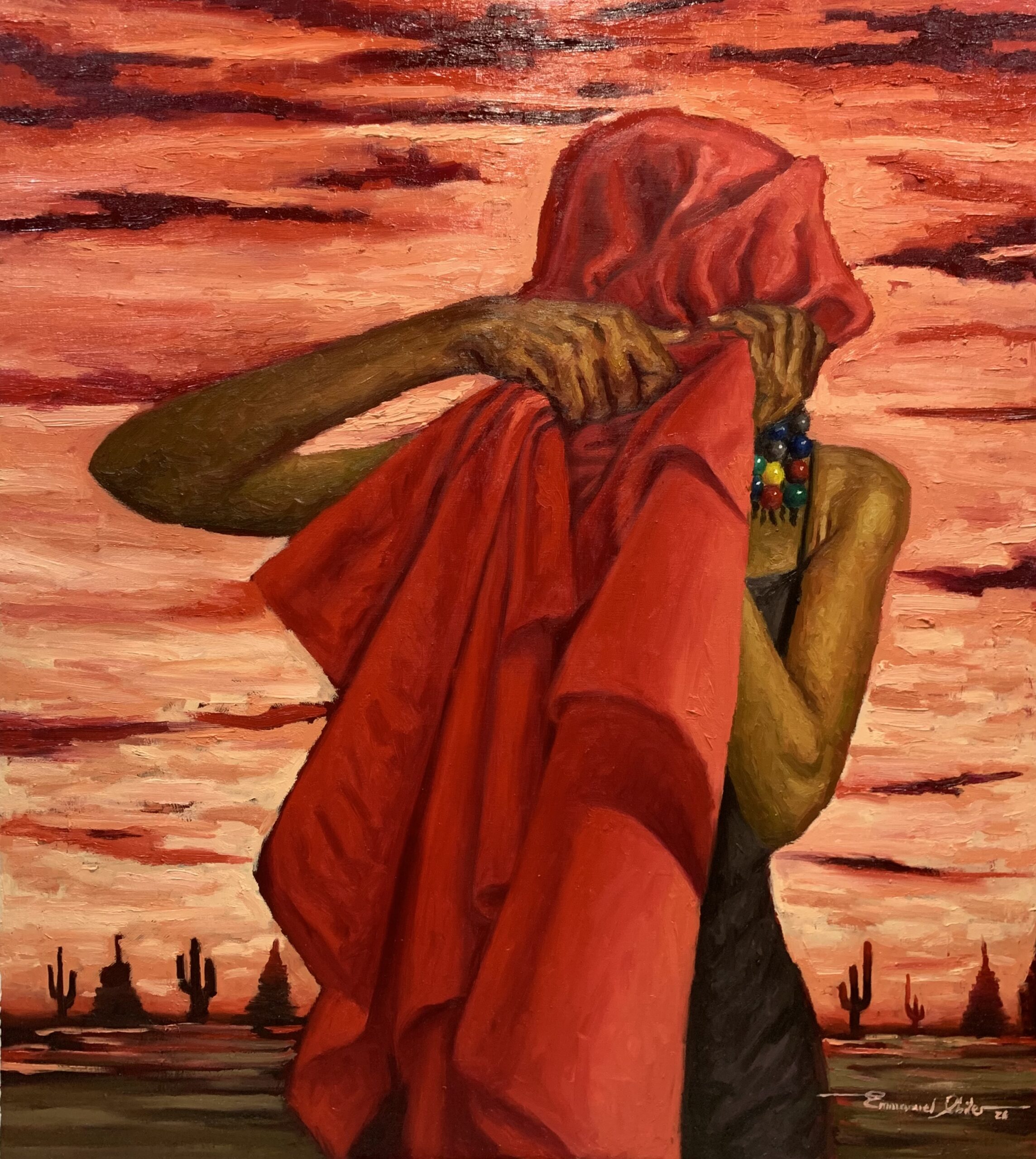
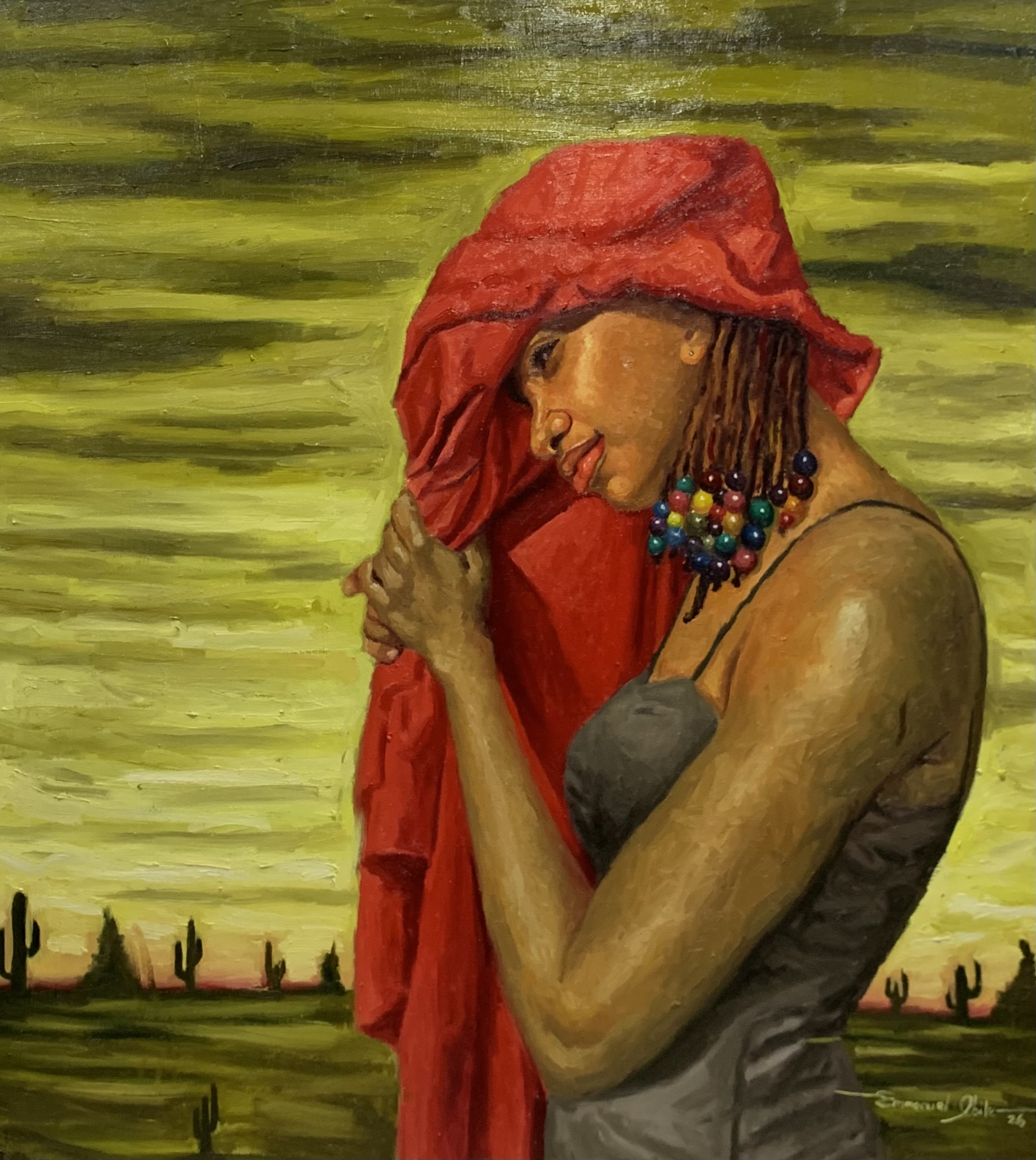
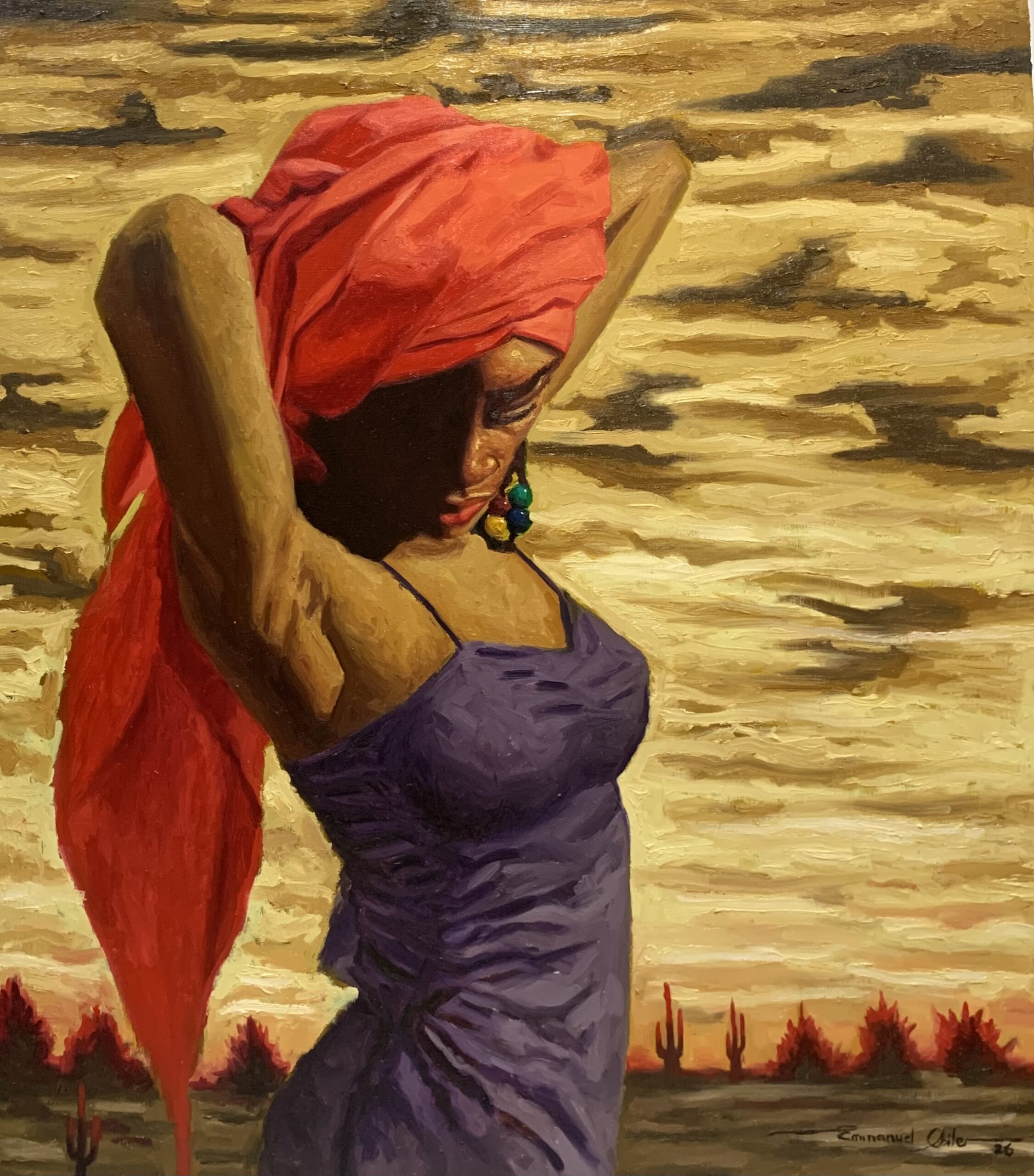
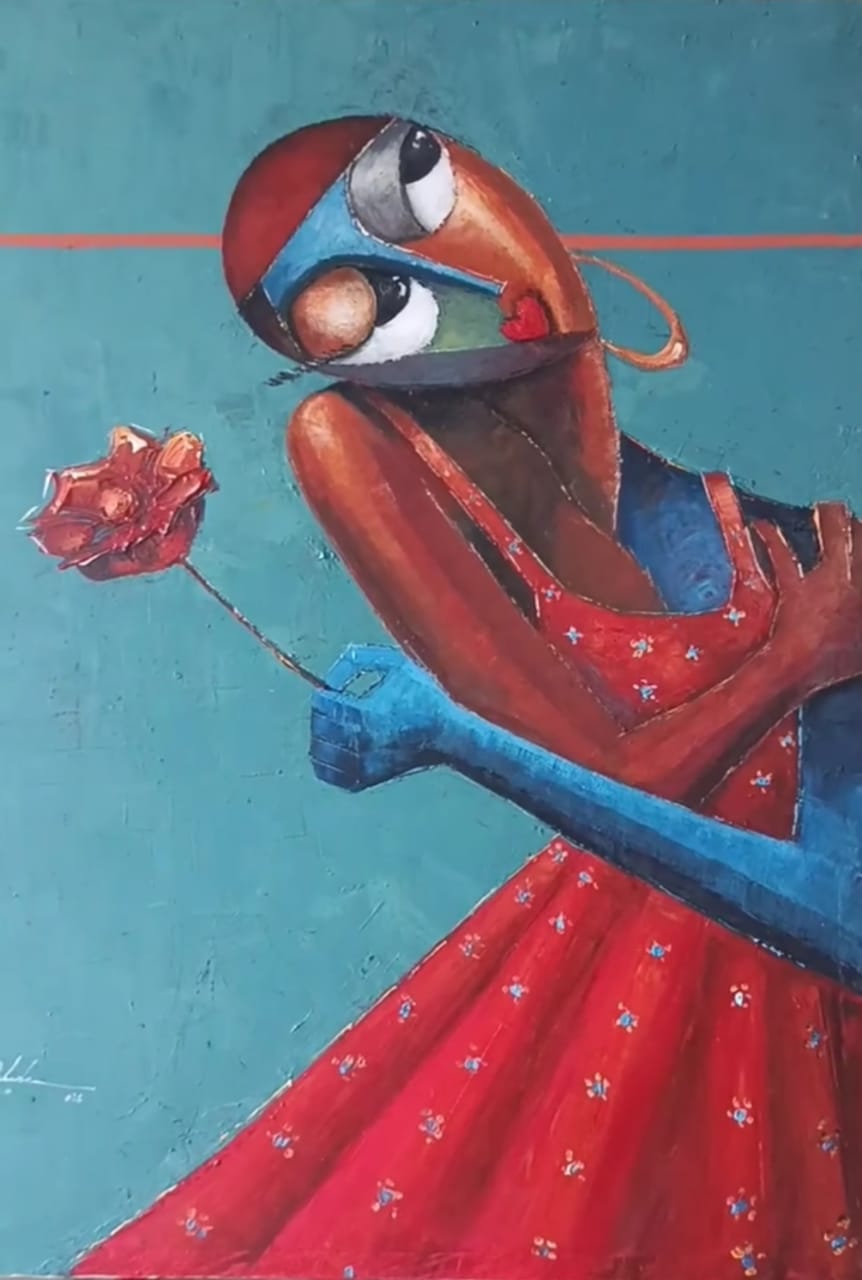
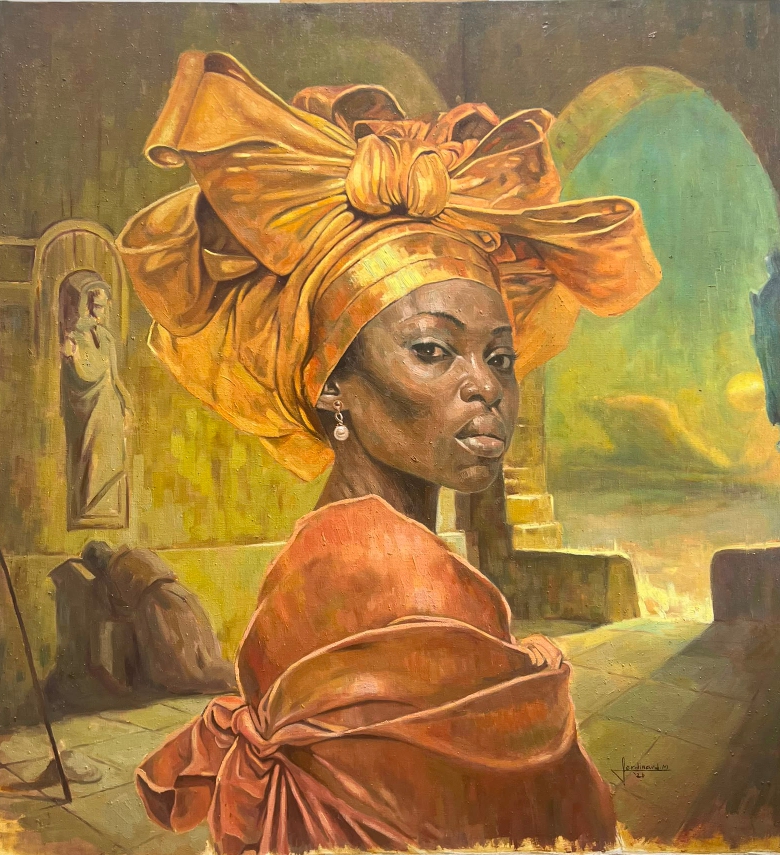
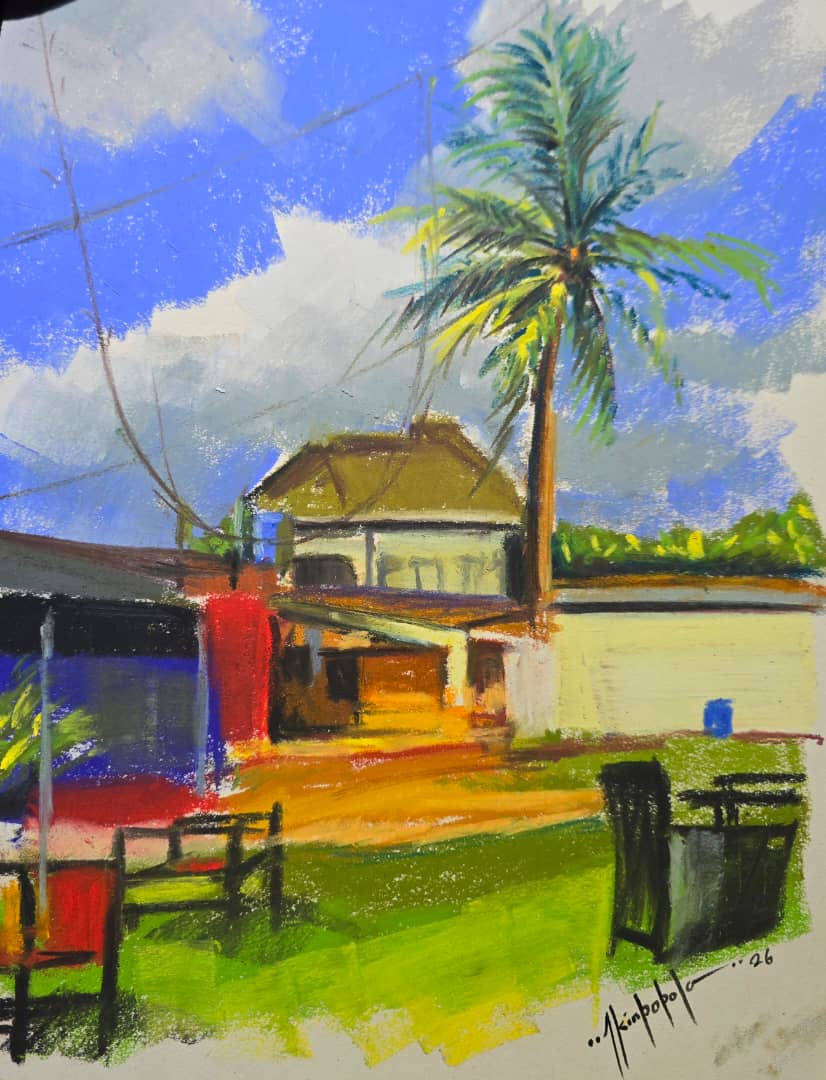
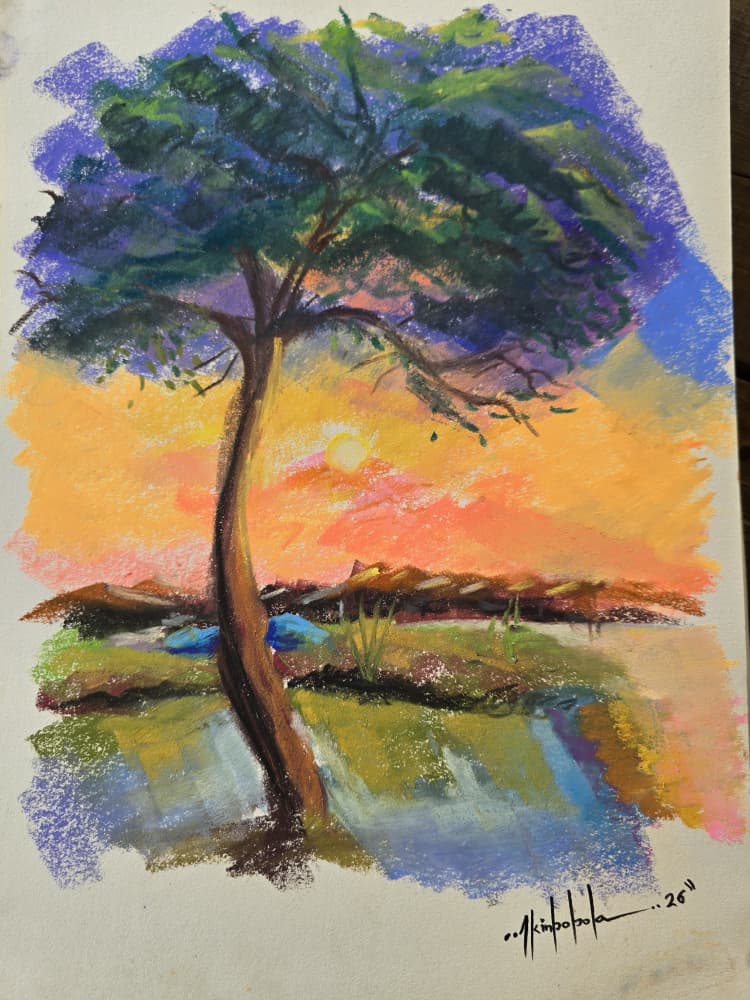
While high-profile names are driving auction success, the market’s strength also lies in a growing wave of contemporary African artists gaining international recognition. Gbolade Omidiran and Kajebe Joshua are among the artists shaping this evolution. Omidiran’s textured, expressive paintings capture the essence of Nigerian culture and traditions, offering collectors an opportunity to invest in authentic African arts. Similarly, Kajebe Joshua’s striking compositions explore themes of identity, resilience, and African heritage, making his work a powerful reflection of contemporary African creativity.
As African art continues to gain momentum in international galleries, museums, and auction houses, understanding its evolution, ethical considerations, and investment potential is crucial for collectors.
This article explores the key trends shaping the future of African art and what collectors need to know to navigate this dynamic and rapidly expanding market
- Institutional Recognition and the African Art Renaissance (continued)
For decades, African artists were underrepresented in global institutions. However, there has been a significant shift in the past 10–15 years, with major museums and galleries actively collecting, exhibiting, and celebrating African art.
Key institutions leading this movement include:
- Zeitz MOCAA (South Africa) – Africa’s first major contemporary art museum, dedicated entirely to African artists.
- The Africa Centre (UK) – A platform for contemporary African art, culture, and discourse in London.
- Tate Modern (UK) – In recent years, Tate has acquired works by African artists like Ibrahim Mahama and El Anatsui and also holding exhibition that spotlights African artist and their artwork .
- The Smithsonian National Museum of African Art (USA) – Expanding its contemporary African art collection, spotlighting artists across the continent.
- Centre Pompidou (France) – Hosting exhibitions that integrate African artists into the global contemporary art narrative.
This increased institutional backing signals a long-term commitment to African art, ensuring its place in major collections and art history discourse. Collectors investing now could see significant appreciation as African artists gain further international validation.
2. The Rise of African Art Fairs and Biennials
African art fairs and biennials have become essential platforms for discovering emerging talent and driving market visibility. Unlike traditional gallery sales, these events bring together artists, collectors, and institutions, making African art more accessible to international buyers.
Key Art Fairs and Biennials to Watch:
- 1-54 Contemporary African Art Fair (London, New York, Marrakech, Paris) – One of the most influential fairs dedicated to contemporary African art.
- Art X Lagos (Nigeria) – West Africa’s premier art fair, showcasing top talent from the continent.
- Investec Cape Town Art Fair (South Africa) – A major hub for collectors seeking established and emerging African artists.
- Lagos Biennial & Dak’Art (Senegal) – Internationally recognized events celebrating African artists on the global stage.
Why This Matters for Collectors:
- These fairs provide direct access to emerging artists before their prices surge.
- Collectors can build relationships with artists and galleries, gaining insights into an artist’s trajectory.
- Attending fairs allows collectors to spot trends in African art before they become mainstream.
3. The Ethics of Collecting: Repatriation and Responsible Buying
One of the most pressing conversations in the African art world is the repatriation of looted artworks. Many African artifacts currently held in Western museums were taken during colonial times, leading to increasing pressure for their return.
How This Affects Private Collectors:
- Provenance Matters: As the push for repatriation grows, collectors must ensure that the African artworks they acquire have clear, legal provenance. Buying pieces with questionable origins can lead to ethical and legal challenges in the future.
- Supporting Living Artists: Rather than investing in older works with ambiguous histories, collectors should consider supporting contemporary African artists directly. This not only ensures authenticity but also helps sustain the African art ecosystem.
- Repatriation-Influenced Valuation: As more institutions return looted works, the demand for contemporary and ethically acquired African art is likely to increase, making it a more sustainable investment option.
The conversation around repatriation is shaping the global art market, and collectors who align with ethical acquisition practices will find themselves on the right side of history.
Final Thoughts: What Should Collectors Do Next?
- Educate Yourself: Stay updated on African art trends through art fairs, publications, and institutional reports.
- Visit Art Hubs: Explore Lagos, Accra, Cape Town, and Dakar, which are emerging as leading centers for African art.
- Engage with Artists: Attend gallery talks, studio visits, and digital exhibitions to understand an artist’s practice before investing.
- Diversify Your Collection: Invest in different regions, mediums, and generations of artists to build a well-rounded collection.
- Support Ethical Collecting: Purchase directly from artists, reputable galleries, and institutions that promote sustainable and ethical acquisitions.