African Masks and Their Influence on Picasso and Cubism
by Onyekwusi Glory Oluchi Dec 11, 2024
Since the dawn of artistic expression, humans have used art to tell stories, capture emotions, and represent cultural identities. Among the most profound forms of art, African masks stand as a testament to the continent’s rich cultural heritage. These masks, steeped in ceremonial, spiritual, and social significance, have not only influenced their native cultures but also revolutionized the global art scene.
One of the most remarkable examples of this influence is on the Spanish artist Pablo Picasso, one of the most renowned and revolutionary figures in modern art. Picasso’s engagement with African art, particularly African masks, became a turning point in his artistic journey and contributed significantly to the development of Cubism.
The Cultural Significance of African Masks
African masks have been integral to the cultural and spiritual lives of various African societies for centuries. Crafted from materials like wood, ivory, bronze, and fabric, these masks often symbolize ancestral spirits, deities, or forces of nature. They are commonly used in rituals, ceremonies, and performances to:
- Represent spiritual entities.
- Communicate with the divine
- Mark rites of passage or significant events
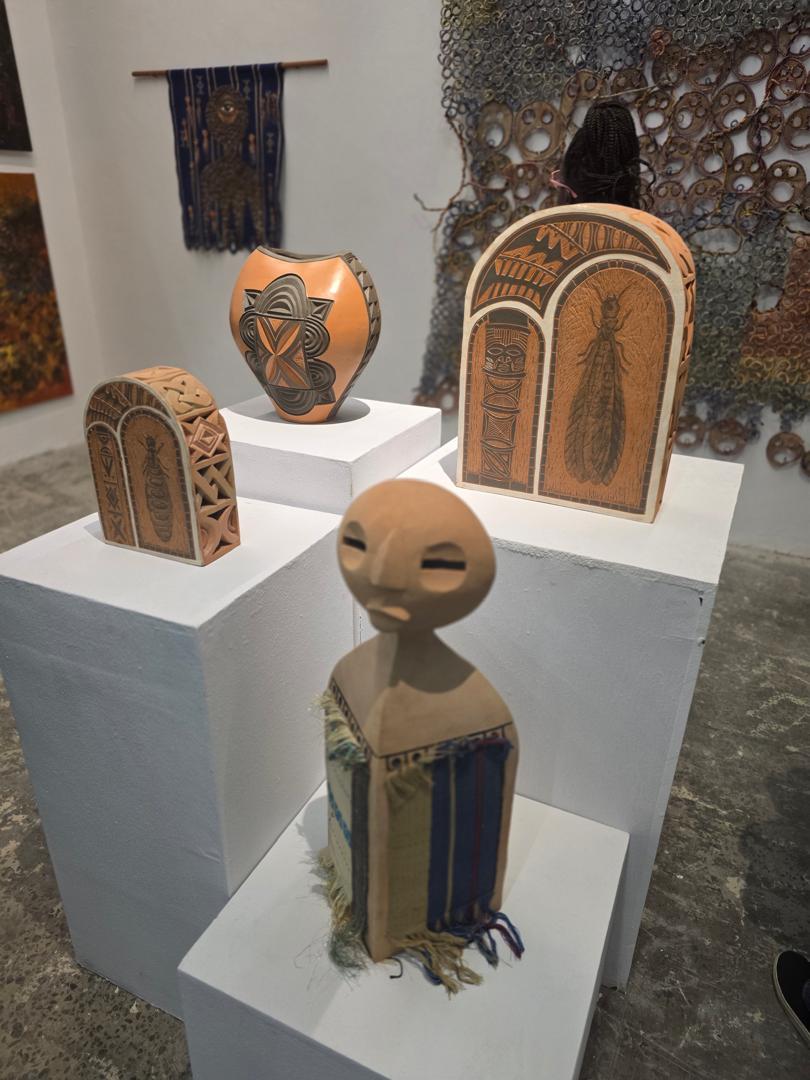
Each mask is unique to its cultural context, with designs often representing a blend of abstract and symbolic features. The stylized geometric forms, exaggerated features, and minimalistic aesthetics are not merely artistic choices but embody deeper cultural meanings. For collectors and enthusiasts, buying African art online, including masks, offers a way to connect with this heritage.
Picasso’s Discovery of African Art
In 1907, Picasso encountered African masks for the first time at the Musée d’Ethnographie du Trocadéro in Paris. The encounter profoundly impacted him, reshaping his perception of art. He later described this experience as a moment of awakening, stating that African art had the power to strip away superficial layers and reveal deeper truths about the human condition.
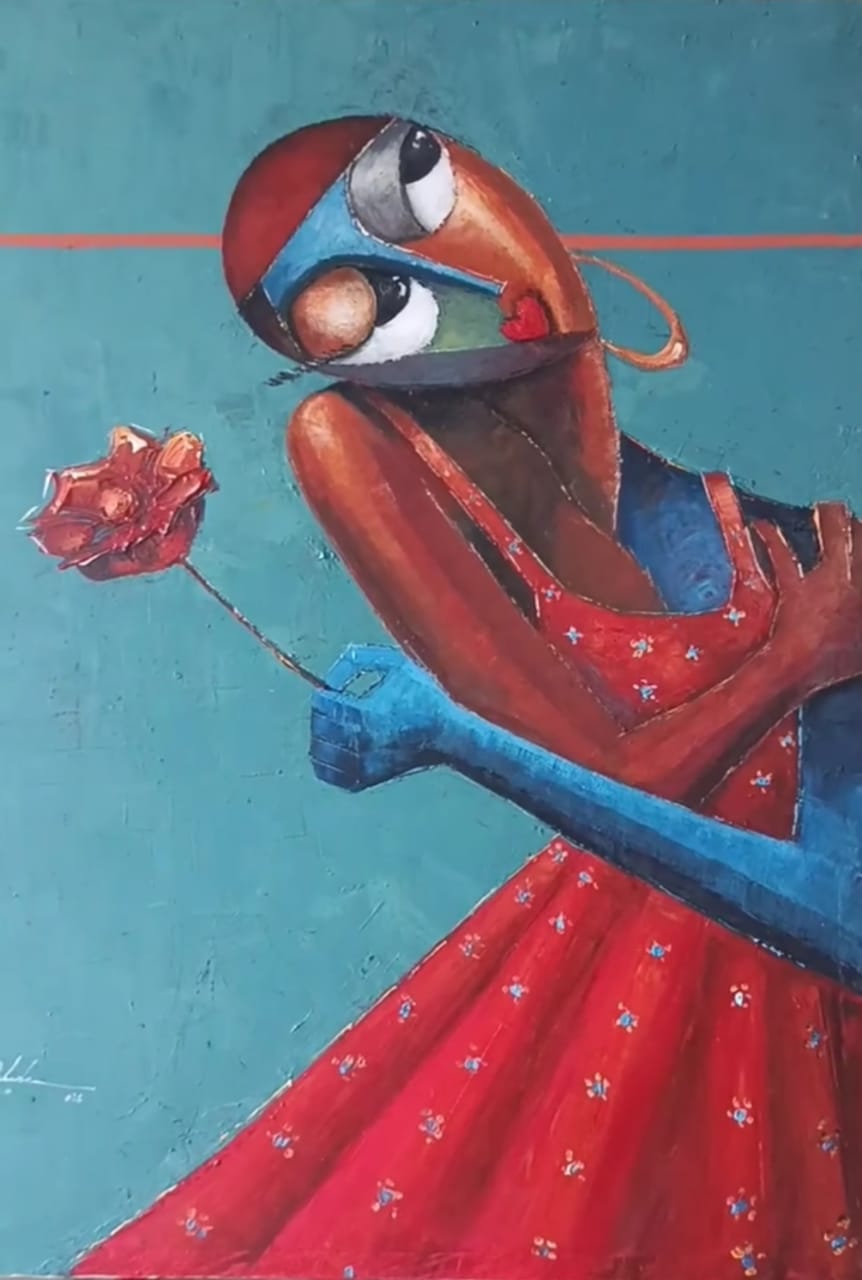
Picasso was drawn to the abstract and geometric forms of African masks. Unlike the realistic and representational art of his European contemporaries, African art emphasized spiritual and symbolic dimensions, using bold lines and shapes to express universal themes. This influence is a powerful reminder of the enduring significance of modern African art for sale today.
The Birth of Cubism
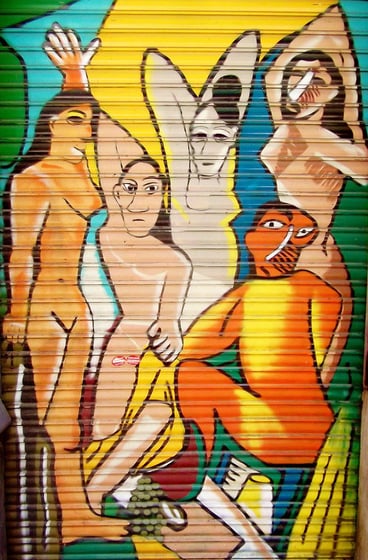
Shortly after his exposure to African masks, Picasso began work on one of his most famous paintings, Les Demoiselles d’Avignon (1907). This painting is widely regarded as the precursor to Cubism, a groundbreaking art movement co-founded by Picasso and Georges Braque.
In Les Demoiselles d’Avignon, the faces of the two figures on the right are strikingly reminiscent of African masks, showcasing Picasso’s attempt to break free from conventional perspectives and explore a new artistic vocabulary. The angular forms, fragmented shapes, and flattened planes characteristic of Cubism echo the aesthetics of African art.
Cubism challenged traditional notions of art by:
- Representing multiple perspectives simultaneously.
- Breaking objects into geometric shapes.
- Emphasizing abstraction over realism.
This revolutionary style remains a cornerstone of modern art and is an essential reference for those looking to buy African paintings online that draw on similar aesthetics.
Impact on Modern Art
The integration of African masks into Picasso’s work not only revolutionized his own practice but also reshaped the trajectory of modern art. By incorporating elements of African art, Picasso and his contemporaries highlighted the global interconnectedness of artistic traditions.
This newfound appreciation for African aesthetics also influenced other movements, including:
- Futurism: Emphasizing dynamic movement and abstraction.
- Expressionism: Using bold forms and colors to convey emotion.
- Dada and Surrealism: Exploring non-Western influences and challenging artistic conventions.
For collectors and enthusiasts, exploring platforms where one can shop African art online or find African paintings for sale connects them to this global artistic legacy.
African Art Today: Connecting the Past and Present
Today, African masks continue to captivate art lovers and collectors worldwide. With the rise of online platforms, it has become easier than ever to purchase African art online. Art enthusiasts can now explore and buy African art, including original masks, through dedicated platforms like Art.Africa.
Whether you’re seeking modern African art for sale or looking to shop African art online, these pieces carry the rich history and cultural significance that once inspired Picasso. Platforms offering African paintings for sale and opportunities to buy African art online enable collectors to own a piece of this timeless tradition while supporting contemporary African artists.
By choosing to buy original African art or African paintings online, art lovers can celebrate the enduring influence of African culture on the global stage while helping sustain African artists and their communities.
Conclusion
The influence of African masks on Picasso and Cubism underscores the profound impact African art has had on modern artistic expression. It serves as a reminder of the interconnectedness of human creativity, transcending geographical and cultural boundaries. As Picasso once said, “Art is the lie that enables us to realize the truth.” Through African masks, we glimpse the universal truths that continue to shape our understanding of art and the human experience.
Whether you’re an art collector, enthusiast, or simply someone interested in exploring unique cultural narratives, platforms like Art.Africa make it possible to discover, appreciate, and own authentic pieces of African art for sale that resonate with this legacy.