East Africa’s Creative Economy Is Becoming Central to Policy and Economic Growth
by Glory Onyekwusi May 27, 2026
East Africa’s creative economy is increasingly moving from the edges of policy conversations to the center of economic and cultural strategy.
This shift became particularly visible during the Africa Forward Summit in Nairobi, which coincided with French President Emmanuel Macron’s visit to Kenya. While discussions focused on investment, technology, and trade, culture emerged as a significant area of attention — not as a symbolic addition, but as a serious economic sector shaping the future of the region.
Across conversations at the summit, creative industries were framed less as secondary cultural spaces and more as active contributors to economic development, employment, innovation, and international influence. Sectors such as music, fashion, visual arts, film, and digital storytelling are increasingly recognised for their ability to generate revenue, shape global perception, and strengthen Africa’s cultural presence internationally.
Nairobi’s Growing Influence as a Creative Capital
Nairobi has become one of the clearest examples of this transformation. Over the last decade, the city has evolved into a dynamic creative ecosystem where artistic disciplines increasingly intersect with entrepreneurship, technology, and global digital culture.
What distinguishes Nairobi’s creative landscape is its fluidity. Traditional boundaries between industries continue to dissolve as artists move across mediums and platforms with increasing ease. Musicians collaborate with fashion designers, photographers build independent digital audiences, and visual artists expand their practices through multimedia and online spaces.
This interdisciplinary energy reflects a broader generational shift across Africa’s creative industries. Contemporary African creatives are increasingly positioning themselves not only as artists, but also as cultural entrepreneurs, brand-builders, and global storytellers.
Creativity as Economic Infrastructure
The growing attention toward creative economies also signals a deeper structural change in how governments and institutions understand cultural production.
For many years, conversations around economic growth in Africa largely centered on infrastructure, finance, manufacturing, and technology. Today, culture is increasingly entering those same discussions as a form of economic infrastructure in its own right.
Creative industries generate employment opportunities, stimulate tourism, expand digital economies, and contribute to national identity and international cultural influence. In this context, creativity is no longer viewed solely through the lens of entertainment or artistic expression. It is increasingly tied to innovation, urban development, and long-term economic strategy.
A New Generation of Multi-Disciplinary African Creatives
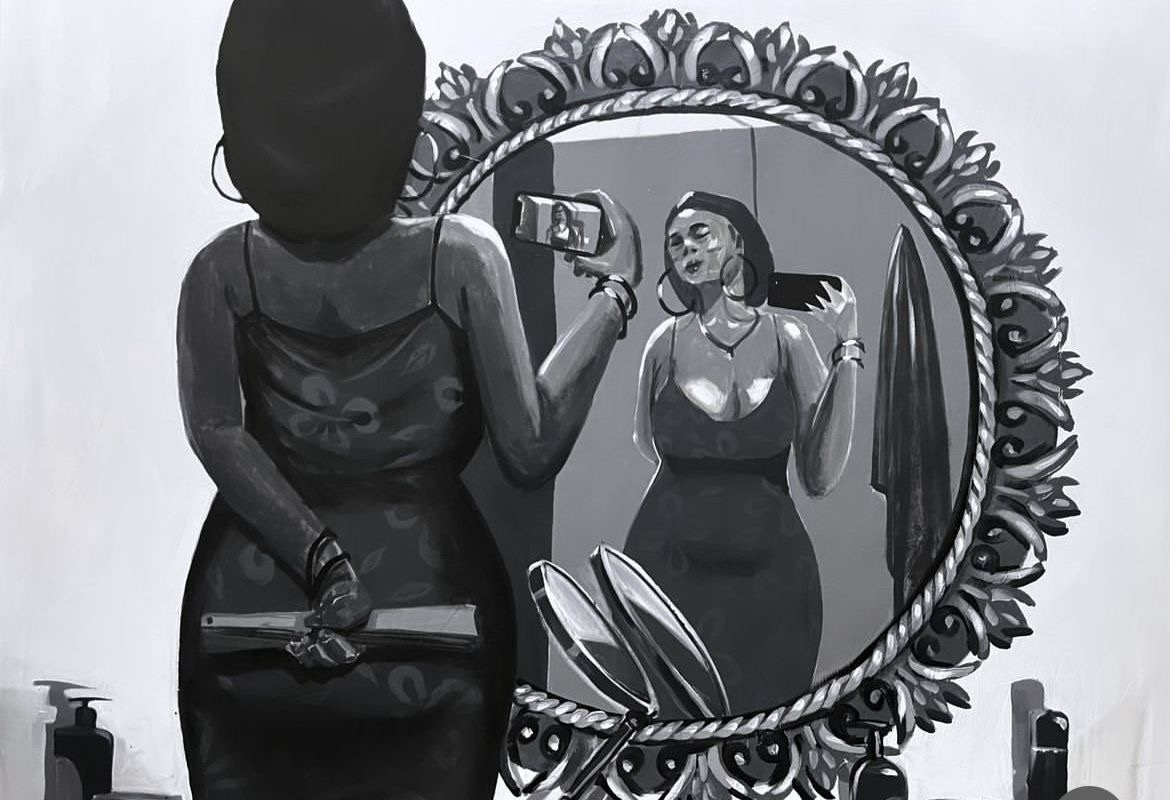
Artists such as Costa Ojwang reflect this evolving landscape. Moving across music, visual art, and design, his practice represents a broader generation of African creatives whose work resists confinement to a single discipline.
Rather than separating creative identities into rigid categories, many emerging artists now operate through interconnected practices that combine artistic production with entrepreneurship, digital engagement, and cultural branding.
This multidisciplinary approach mirrors wider global shifts within contemporary creative industries while remaining deeply connected to local experiences and African urban realities.
The Expanding Role of Africa’s Creative Economies
The conversations emerging from Nairobi suggest that Africa’s creative economy is entering a new phase — one where culture is increasingly understood as both artistic production and strategic economic influence.
As cities such as Nairobi continue investing in creative infrastructure and cultural innovation, East Africa is positioning itself not only as a participant in global creative industries, but as an active force shaping their future direction.
What is unfolding is larger than a trend. It reflects a broader recognition that creativity, storytelling, and cultural production are becoming central to how African economies imagine growth, identity, and global presence in the years ahead.