Africa at the Venice Biennale 2026: A Growing Global Presence
by Glory Onyekwusi Jan 22, 2026
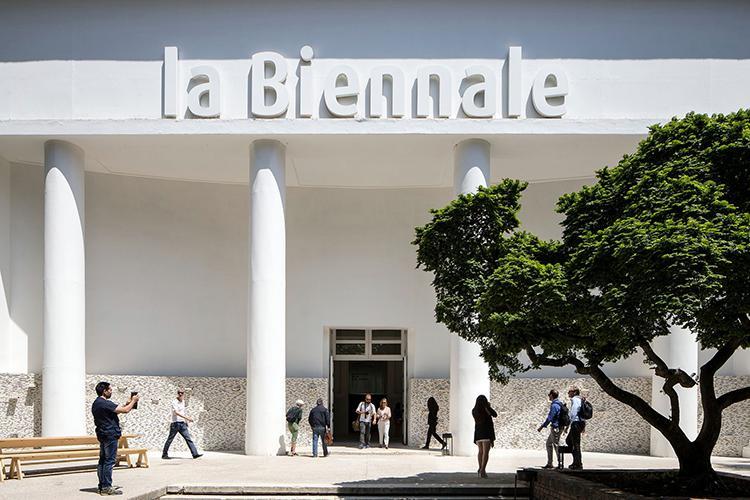
As preparations gather momentum for the 61st International Art Exhibition of La Biennale di Venezia (2026), African contemporary art continues to assert a confident and increasingly influential presence on the global stage.
In recent editions, African participation at Venice has moved beyond symbolic representation toward intentional, research-driven, and institutionally supported engagement. The 2026 Biennale reflects this ongoing shift, with several African nations confirming their involvement and advancing narratives rooted in history, innovation, and lived experience.
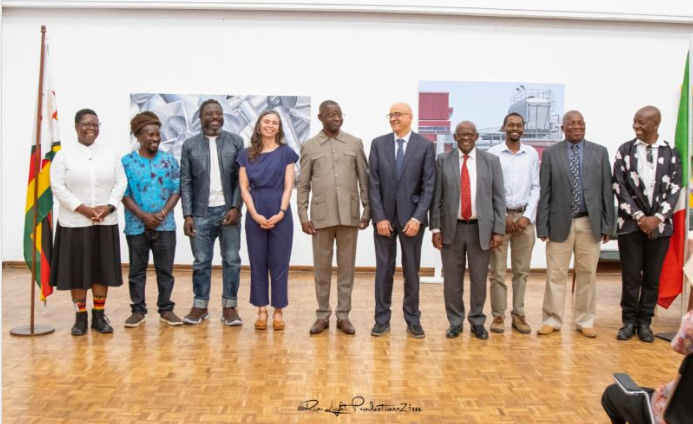
Zimbabwe Pavilion: Second Nature | Manyonga
Among the notable national presentations is Zimbabwe’s Pavilion, titled Second Nature | Manyonga. The pavilion brings together artists whose practices interrogate transformation, resilience, and the evolving relationship between humanity, technology, and the environment. Through interdisciplinary approaches, the exhibition positions Zimbabwean contemporary art within urgent global conversations around ecology, adaptation, and future imaginaries.
South Africa’s Public–Private Pavilion Model
Equally significant is South Africa’s adoption of a public–private pavilion model for Venice 2026. This collaborative framework, developed through partnerships between government bodies and independent cultural organisations, signals a move toward more sustainable and flexible structures for African participation at major international exhibitions.
From Representation to Influence
Africa’s role at the Venice Biennale is no longer defined by visibility alone. It is increasingly shaped by curatorial agency, institutional strategy, and cultural influence. African artists and cultural practitioners are contributing to the Biennale’s intellectual and aesthetic discourse, challenging dominant narratives while expanding the parameters of contemporary art.
As African art continues to gain unprecedented international attention across biennales, museums, and art markets, Venice remains a vital space for dialogue, experimentation, and long-term cultural impact.
With 2026 on the horizon, the continent’s growing presence at the Venice Biennale underscores a broader transformation — one in which African contemporary art is not only participating in global conversations, but actively shaping them.
Image credit: Courtesy of La Biennale di Venezia, via Art Africa Magazine